
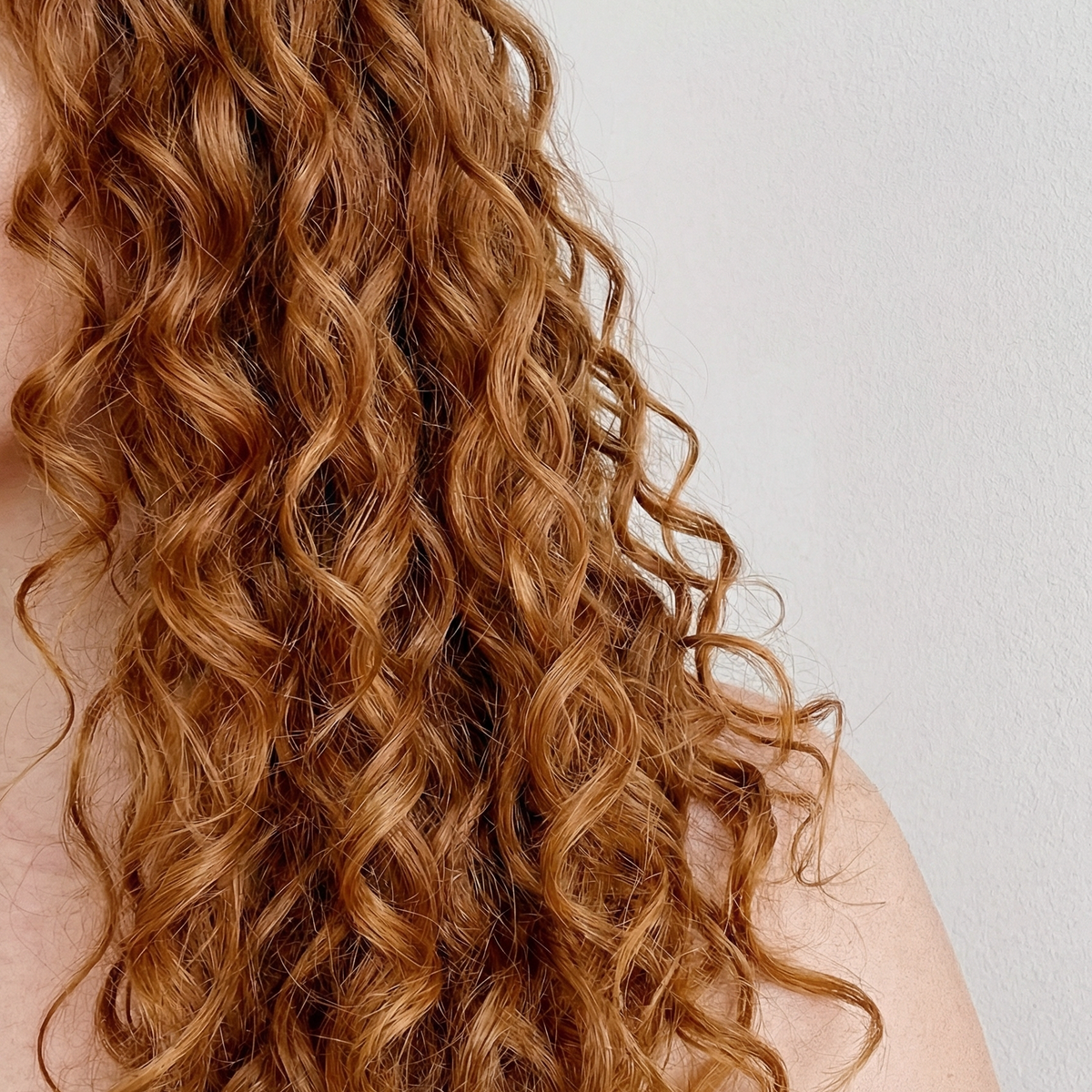
Best Hair Growth Serum

What changed · October 5, 2026
- Updated The Root Co. formula details to match the product label.
- Added results from our 9-month study of 38 adults.
- Corrected The Root Co. capsule details: vegan and biotin-free.
- Updated The Root Co. price to $49.90 a month on subscription.
- Fixed a missing product image.
This guide is in two parts. First, what a hair growth serum actually is - how it works, which ingredients matter, and what is realistic. Then the serums worth considering - and, just as important, which pill to pair with each one and why. A serum works on the scalp surface; a pill works on the internal drivers. The strongest routines usually combine the two.
That framing matters because a topical can only do so much if the real driver is not local. Get the cause right, then choose the serum, then add the oral partner that covers what the serum cannot.
See which ingredients matter →
What is a hair growth serum, and who is it for?
A hair growth serum is a scalp-focused topical product designed to support hair density, reduce shedding, or help maintain active follicles. It is different from a shine serum, frizz serum, or finishing oil that mainly changes how the hair shaft looks and feels.
Most people searching for a hair growth serum are really asking three things: does it work, which kind works, and is it right for my type of thinning. Serums vary widely. Some contain drug actives such as minoxidil. Others use peptides, caffeine, rosemary oil, or cosmetic hydrators that may improve scalp feel more than actual regrowth. A serum may fit best for early thinning, a widening part, mild crown or hairline density loss, postpartum shedding support, or a scalp-focused routine you will actually do consistently.
Hair growth serum vs regular hair serum
The difference usually comes down to where the product goes and what it affects. Growth serums are applied to the scalp, because follicles live in the scalp. Regular serums are often applied mid-length to ends to smooth frizz, reduce static, or add shine.
- Scalp growth serum: aims to support follicles or the scalp environment
- Cosmetic hair serum: aims to improve softness, shine, slip, or frizz
- Hair oil: may condition hair or reduce breakage, but does not automatically mean regrowth support
If a product never tells you to apply it to the scalp, it is probably not a true hair growth serum.
For women and for men
A hair growth serum for women and for men often targets overlapping biology, even if the patterns look different. DHT (dihydrotestosterone), a hormone derived from testosterone, is one of the main drivers of follicle miniaturization in pattern hair loss for both sexes. The difference is usually presentation: women more often notice diffuse thinning and a widening part, while men more often notice temple recession and crown thinning.

The Root Co. Hair Vitamin
Daily support for fuller-looking hair
Biotin-free and vegan. Just 2 capsules a day.
$49.90/month with subscription 90-day money-back guarantee
Do hair growth serums work? It depends on the active and the type of loss
Some hair growth serums can help, but results depend on the active ingredient, the cause of hair loss, and whether the follicles are still active. Temporary shedding, androgenetic alopecia (pattern hair loss), breakage, and scalp irritation can all look like "my hair is getting worse," but they are not the same thing.
- Temporary shedding: often follows stress, illness, childbirth, surgery, or a medication change
- Androgenetic alopecia: long-term pattern thinning linked to genetics and DHT sensitivity
- Breakage: hair snaps along the shaft, often from heat, bleach, tension, or dryness
- Scalp irritation: can make hair feel worse and increase shedding, but needs a different approach than pattern loss
Minoxidil serums vs cosmetic or botanical serums
Minoxidil has the strongest track record in the topical category for pattern hair loss. Botanical or peptide serums may help some users, especially with scalp comfort or appearance, but they usually sit on a weaker evidence base.
Minoxidil-based serum
- Stronger evidence; better fit for pattern thinning
- Requires consistency
- May cause an adjustment shedding phase in some users
Botanical or cosmetic scalp serum
- May support scalp feel, hydration, or lower irritation
- Lower evidence for true regrowth
- Often easier for hesitant users to try
The AAD guidance on hair loss treatment is a good reality check on where topical treatment sits in the wider landscape.
Which ingredients in a hair growth serum matter most?
The ingredients that matter most are the ones with a plausible job to do at the follicle or scalp level. Everything else - fragrance, texture agents, cosmetic fillers - should be read as support rather than the main event. Minoxidil remains the topical ingredient with the strongest evidence for regrowth, and it is the benchmark other serum actives are measured against.
| Ingredient type | What it does | Evidence level |
|---|---|---|
| Minoxidil | Supports follicles in active growth; widely used for pattern thinning | Strongest topical evidence in this category |
| Peptides / redensyl-style complexes | Aim to support follicle signaling and density appearance | Mixed, product-dependent |
| Caffeine | Marketed for scalp stimulation and follicle support | Limited to mixed support |
| Rosemary oil | Used for scalp support and possible circulation-related benefits | Interesting but still limited vs minoxidil |
| Niacinamide / panthenol | Support scalp barrier, moisture, and comfort | Useful for scalp condition, not proven regrowth |
Ingredients such as rosemary oil, peptides, caffeine, niacinamide, and panthenol may still have a place. They can improve scalp comfort, reduce dryness, or make a formula easier to tolerate over time, and a product you can actually use consistently beats a theoretically stronger one you quit after ten days. Just separate scalp support from true regrowth evidence.
How to choose by scalp type and hair pattern
- Oily scalp: lighter, fast-drying formulas are easier to stick with
- Dry or sensitive scalp: avoid heavy fragrance and harsh alcohol-heavy formulas
- Textured hair: choose a serum that can reach the scalp without forcing overly frequent washing
- Fine hair: avoid greasy formulas that make hair look flatter
- Male crown thinning: stronger evidence-based actives often make more sense than purely cosmetic serums
How to use a serum, and what results are realistic
A serum works best when it is applied to the scalp consistently for months, not used sporadically on the hair lengths. Missing days matters more than people expect, because follicles respond to steady signaling, not occasional effort. Apply to the scalp (not just the hair), follow the product directions exactly, give it time, and track progress monthly, not daily.
- Weeks 1 to 8: some users notice less shedding; certain actives can cause an adjustment phase first
- Months 3 to 4: early regrowth or baby hairs may become visible
- Months 6+: density changes are easier to judge in photos, the part, or crown coverage
What a serum cannot do
A serum cannot diagnose why your hair is thinning, restore scarred follicles that are no longer active, or replace medical evaluation for sudden, patchy, or severe loss. It also cannot fix iron deficiency, correct thyroid disease, treat alopecia areata, or override traction from tight hairstyles if the tension continues. This is the ceiling of the category, not a flaw in any one product.
See a dermatologist first if hair loss is sudden, patchy, painful, heavily inflamed, scaling, tied to a medication change, or paired with suspected thyroid, ferritin, or iron issues, or possible alopecia areata. If you are pregnant, nursing, taking prescription medication, or experiencing significant hair loss, consult your healthcare provider before adding a new product to your routine.
Serum vs pills: which to start with, and can you combine them?
This is not really a battle. Serums target the scalp directly; pills support internal drivers such as nutritional gaps, stress pathways, and hormone-related contributors. If your thinning is localized, a serum may be the intuitive place to start. If your shedding is diffuse, stress-related, postpartum, or part of a broader pattern, a pill may make more sense, or at least deserves equal consideration.
And yes, you can use both. Pairing a serum with a pill is a reasonable combination when the goal is to cover scalp-directed and systemic support at once: the serum works on the local environment while the oral product supports the internal contributors. Combination routines make the most sense when each part has a clear job. Supplements are not treatments for medical conditions, and if you take medication, check with a clinician before layering products. The next section shows exactly which pill to pair with each serum, and why.
The serums worth considering, and the pill to pair with each
Below are six serums across the price and evidence range, how we evaluated them, and the oral partner that covers what each serum cannot.
The serums, at a glance
| Serum | Type & active | Best price | Best for | Pair it with |
|---|---|---|---|---|
| Women's Rogaine 5% Minoxidil Foam | Drug active, 5% minoxidil foam | Retail (varies) | Pattern thinning, strongest evidence | The Root Co. |
| Calecim Advanced Hair System | Premium, PTT-6 stem-cell proteins + microneedling | $360 | Minoxidil non-responders | Nutrafol Women |
| Nutrafol Women's Hair Serum | Botanical/peptide, ashwagandha exosomes | $49 | Leave-on botanical scalp serum | Nutrafol Women |
| The Ordinary Multi-Peptide + HA | Budget peptides + hyaluronic acid | ~$15 to $18 | Lowest-cost peptide option | The Root Co. |
| Nutrire T.2 Night Scalp Serum | Exfoliating overnight treatment | ~$68 | Overnight scalp routine | The Root Co. |
| Briogeo Scalp Revival | Scalp health, charcoal + tea tree | $32 | Oily or flaky scalp | The Root Co. |
The best hair growth serums, reviewed
Women's Rogaine 5% Minoxidil Foam: Strongest evidence

Women's Rogaine 5% Minoxidil Unscented Foam
At major retailers (price varies) · once daily · 4-month supply
The first FDA-approved minoxidil foam, dosed at 5% with Rogaine's Tricho-Prime technology, applied to the scalp once a day. Minoxidil has the strongest track record of any topical for pattern hair loss; the brand notes results may appear at three months, with up to six months for some women. The trade-offs are daily consistency and a possible early adjustment shed.
Pair it with The Root Co.: minoxidil works on the scalp, and The Root Co. adds daily support from the inside with zinc and a patented botanical blend, so the foam and the capsule do different jobs instead of the same one.
Calecim Advanced Hair System: Premium clinical pick

Calecim Professional Advanced Hair System
$360 · 1 to 2x per week with a derma stamper (microneedling)
The premium option, built around PTT-6, a patented complex of stem-cell-derived proteins applied with a microneedling stamper to signal follicle activity and calm scalp inflammation. The brand cites in-vitro and clinical testing and positions it for people who did not respond to minoxidil. The trade-offs are a high price and a more involved at-home protocol.
Pair it with Nutrafol Women: a premium, clinical serum aimed at minoxidil non-responders pairs best with the most clinically-studied oral. If you would rather keep the oral affordable, The Root Co. is the value biotin-free alternative at $49.90 a month.
Nutrafol Women's Hair Serum: Best leave-on botanical

Nutrafol Women's Hair Serum
$49 · once daily, leave-on (no rinse)
A leave-on scalp serum from Nutrafol built around proprietary Ashwagandha Exosomes and Irish Moss Peptides, applied by full dropper to the scalp once daily. It is a botanical-and-peptide formula rather than a drug active, so set expectations accordingly, and a bottle lasts one to three months depending on how much scalp you treat.
Pair it with Nutrafol Women: Nutrafol designs its serum and supplement to work together, so its own capsule is the most natural partner here. If you want a multi-ingredient oral at a lower cost, The Root Co. is the value oral - see The Root Co. vs Nutrafol.
The Ordinary Multi-Peptide + HA Serum: Lowest-cost peptide option

The Ordinary Multi-Peptide + HA Serum
~$15 to $18 · once daily
The budget entry point: a multi-peptide and hyaluronic acid serum at a fraction of the price of dedicated hair systems. It is a general multi-use peptide serum rather than a proven scalp-regrowth treatment (The Ordinary's older hair-density serum has been discontinued), so treat it as a low-cost way to add peptides to a routine, not as a minoxidil substitute.
Pair it with The Root Co.: a budget topical is a smart match for a value oral. The Root Co. brings the multi-cause internal coverage that a peptide serum alone does not, keeping the whole routine affordable.
Nutrire T.2 Night Scalp Serum: Best overnight treatment

Nutrire T.2 Night Scalp Serum
~$68 (about $58 on subscription) · nightly, leave-on
An exfoliating overnight scalp treatment meant to clear buildup and rebalance the scalp while you sleep, fitting people who prefer a PM step over a daytime application. It is a scalp-environment product more than a drug active, so it is best thought of as the foundation a growth routine sits on rather than the growth driver itself.
Pair it with The Root Co.: a natural AM/PM routine - the serum overnight, the capsules with meals. The serum clears and rebalances the scalp; The Root Co. drives the internal growth signals the serum cannot reach.
Briogeo Scalp Revival Charcoal + Tea Tree: Best for scalp health

Briogeo Scalp Revival Charcoal + Tea Tree Scalp Treatment
$32 (full size) · scalp, a few times a week
A scalp-health treatment built on binchotan charcoal and tea tree oil to clarify buildup and soothe an oily or flaky scalp. It is not a regrowth drug; its job is to keep the scalp environment healthy so other steps can work. For people whose scalp feels congested or irritated, it is a sensible foundation rather than the growth step itself.
Pair it with The Root Co.: a clean, balanced scalp is the foundation; the growth signals still have to come from somewhere. The Root Co. covers the internal drivers of shedding while Briogeo handles the scalp surface.
How to stack a serum with the right pill
Serums and pills are not competitors; they cover different ground. A topical works on the scalp surface and the follicle. An oral works from the inside, where a serum cannot reach. Matching the two by job is how you build a routine that covers both. For most serums the natural oral partner is a biotin-free daily formula like The Root Co.; for a premium serum, or a serum from a brand that also makes its own pill, the matched premium oral can be the better fit. Here is the pairing for each.
| Serum | Pair it with | Why it works |
|---|---|---|
| Women's Rogaine (5% minoxidil) | The Root Co. | Minoxidil works on the scalp. The Root Co. adds zinc and a patented botanical blend from the inside, so the foam and the capsule do different jobs. |
| Calecim Advanced Hair System | Nutrafol Women | A premium, clinical serum for minoxidil non-responders pairs best with the most clinically-studied oral. The Root Co. is the value alternative. |
| Nutrafol Women's Hair Serum | Nutrafol Women | Nutrafol designs its serum and supplement to work together, so its own capsule is the most natural partner. The Root Co. is the lower-cost biotin-free option. |
| The Ordinary Multi-Peptide + HA | The Root Co. | A budget topical plus a value oral keeps the whole routine affordable while still covering the internal causes a peptide serum cannot. |
| Nutrire T.2 Night Serum | The Root Co. | The serum cleans and rebalances the scalp overnight; The Root Co. drives the internal growth signals from within. |
| Briogeo Scalp Revival | The Root Co. | A clean scalp is the foundation; The Root Co. covers the internal drivers of shedding while the treatment handles the scalp surface. |
The oral pairing: The Root Co. Breakthrough Hair Vitamin
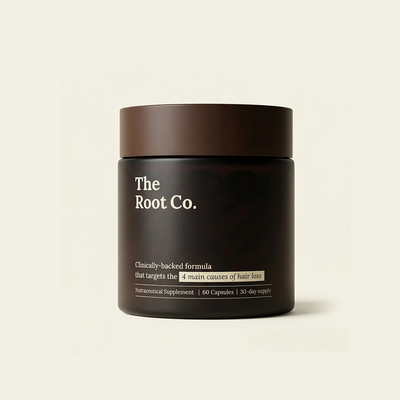
The Root Co. Breakthrough Hair Vitamin
$49.90/mo with subscription · 2 capsules daily · 90-day guarantee
The Root Co. is the oral we come back to for most serums because it covers the part topicals cannot: daily support from the inside. It is a US-patented formula that pairs 15 mg of zinc, magnesium and vitamin B5 with Phyllotex, a 345 mg blend of acai, green coffee bean, olive leaf and pau d'arco extracts, in 2 biotin-free, vegan capsules a day, at $49.90 a month on subscription, with a 90-day full money-back guarantee. Full formula detail is in the formula explained.
- Phyllotex 345 mg: acai, green coffee bean, olive leaf, pau d'arco, plus zinc picolinate 15 mg, magnesium 85 mg, vitamin B5 5 mg
- Issued US patent; 90-day full money-back guarantee; 9-month study of 38 adults (hair count about 2.6x baseline, no placebo)
- Only 2 capsules daily; works on all hair types, including textured and tightly coiled
Daily support for fuller-looking hair
Just 2 capsules a day. Biotin-free and vegan.
In our 9-month study of 38 adults, hair count in thinning areas rose to about 2.6x the starting level. Single group, no placebo. See the study
90-day money-back guarantee · Cancel anytime
FAQ
Do hair growth serums actually work?
Some do. The best-supported topical options can help with active follicles, especially in early to moderate pattern thinning. Many others mainly improve scalp feel or cosmetic appearance, which is different from regrowth.
What is the best hair growth serum for women?
It depends on whether the issue is postpartum shedding, diffuse thinning, a widening part, or a more established pattern loss picture. Minoxidil has the strongest evidence; women with broader shedding often do better thinking beyond topicals alone and considering internal support too.
What is the best hair growth serum for men?
Usually the one with the clearest evidence for male pattern thinning and the highest chance of long-term consistency. Men with crown or temple recession often need stronger evidence-based actives than purely botanical formulas provide.
How long does it take for a hair growth serum to work?
Expect months, not weeks. Some people notice reduced shedding in the first 1 to 2 months, possible baby hairs by months 3 to 4, and clearer density changes after month 6.
Is minoxidil better than a botanical hair growth serum?
Usually, yes, if your goal is evidence-backed regrowth support for pattern thinning. Botanical serums may still help with scalp comfort, tolerance, or routine adherence, but they generally do not match minoxidil's evidence base.
Can I use a hair growth serum and pills together?
Yes, and it is often the strongest routine. The serum targets the scalp surface while an oral such as The Root Co. adds daily support from the inside. Pair products by job, give the routine three to six months, and check with a clinician first if you take medication.
Prices and product details verified on June 30, 2026 against each brand's own product page; retailer prices are approximate and vary. Not medical advice. These statements have not been evaluated by the Food and Drug Administration. This product is not intended to diagnose, treat, cure, or prevent any disease.
Read more
Compare the best hair growth pills for thinning, shedding, ingredients, DHT support, timelines, pricing, and realistic results before you buy.

Compare the best hair growth products for women, including minoxidil, supplements and scalp treatments for thinning, shedding and regrowth