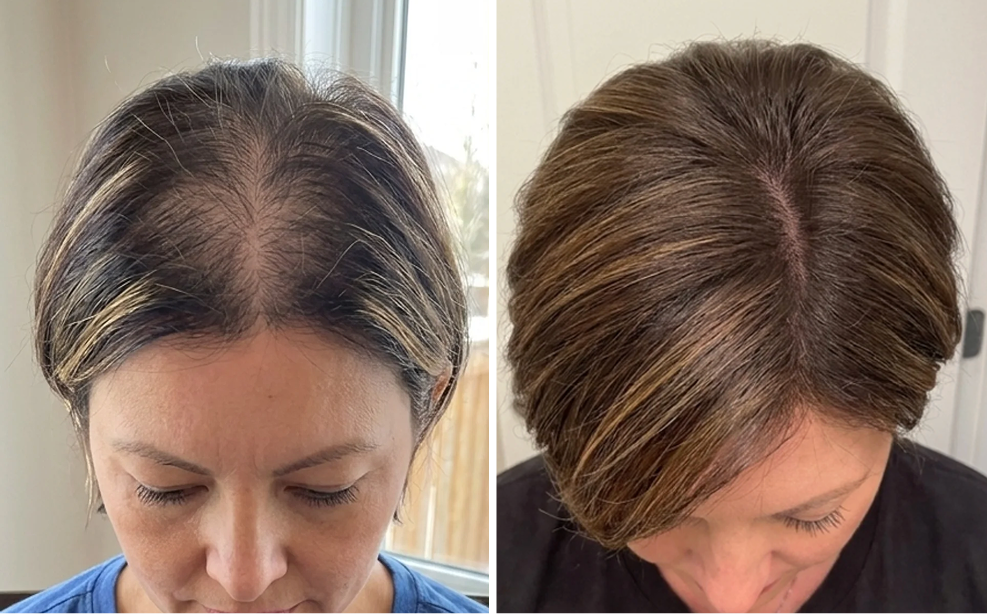

Why Most Hair Vitamins Fail: What Usually Goes Wrong and What to Look for Instead
Most people who search "why most hair vitamins fail" are not asking out of curiosity. They are asking because they already tried something. Usually it was biotin, a gummy, collagen, or a supplement pushed by a creator who made it sound simple. Then nothing much happened, except maybe lighter wallets and a half-finished bottle in the bathroom cabinet.
After trying a lot of products in this category myself, I think the biggest reason hair vitamins fail is straightforward: many formulas are built around marketable ingredients, not around the actual reason someone is thinning or shedding. Hair loss is not one problem. It can be stress-related shedding, postpartum shedding, early pattern thinning, medication-related thinning, nutritional insufficiency, or something that needs medical evaluation. A one-angle supplement often misses the driver entirely.
That is why two people can take the same product and report completely different outcomes. One person had a temporary deficiency or stress-related shed and improves. The other has progressive follicle miniaturization, long-term androgenetic thinning, or an untreated thyroid issue and sees little change.
Before talking about brands, it helps to separate three buckets: temporary shedding, long-term pattern thinning, and medically significant hair loss. If you blur those together, every supplement review becomes misleading.
Hair shedding is not the same as long-term hair loss
Shedding means more hairs are falling out than usual. Density loss means overall fullness is going down over time. They can overlap, but they are not the same thing.
A stress event, illness, surgery, childbirth, or medication change can push more hairs into the resting phase, which often shows up as shedding two to three months later. Pattern thinning is different. It usually happens more gradually, with a widening part, reduced density at the crown, or a thinner ponytail over time.
This distinction matters because a supplement may help reduce shedding in someone recovering from a temporary trigger, yet do much less for advanced long-term thinning where follicles have been shrinking for years.
Most people buy a hair vitamin before they know what is driving the problem
This is the mismatch that causes most disappointment.
People usually shop by promise, not by mechanism. They buy "hair growth" instead of asking what kind of problem they are trying to solve. If the issue is early DHT-related miniaturization, a generic beauty vitamin may not be enough. If the issue is postpartum shedding, a DHT-heavy formula may not be the main thing that matters. If the issue is iron deficiency, no trendy botanical blend fixes the root cause by itself.
The better question is not "which hair vitamin is best?" It is "what is this formula actually designed to address, and does that match my pattern?"
The biggest reasons hair vitamins underperform
The category has a few repeat failure patterns. After comparing labels and trying products over time, I see the same issues again and again: one-ingredient logic, weak dosing, vague labeling, and branding that sounds stronger than the formulation really is.
Biotin became the face of hair supplements for the wrong reasons
Biotin became the default hair ingredient because it is familiar, inexpensive, and easy to market. But true biotin deficiency is uncommon. That means high-dose biotin is often solving a problem the buyer does not actually have.
That does not make biotin useless. It means it is narrow. If your thinning is being driven by DHT sensitivity, chronic stress, inflammation, postpartum hormone shifts, or another issue entirely, more biotin is not automatically better. It may do very little.
Most formulas treat one narrow scenario
A lot of supplements are partial approaches marketed as complete answers.
- Nutritional deficiency formulas can help if your diet is limited or lab work points to low intake, but they may not do much for DHT-driven thinning.
- Collagen formulas may support general protein intake, but they are not comprehensive hair-loss formulas.
- Keratin formulas are often sold on "hair strength" language, which is not the same as addressing why follicles are underperforming.
- Trendy botanical formulas may sound advanced, but many do not clearly explain what mechanism they target or at what dose.
None of these approaches are automatically wrong. They just tend to fail when used outside the scenario they fit.
Weak labeling hides weak formulation
This is where labels matter more than front-of-bottle claims.
Some formulas underdeliver because they use proprietary blends that hide ingredient amounts. Others list minerals without telling you the form, which matters because zinc picolinate is not the same thing as a vague "zinc complex," and magnesium citrate is not the same as a poorly absorbed filler form. Some use extracts without telling you standardization, so you cannot tell whether the dose is meaningful.
A polished label can still hide a weak formula.
Here is the quick view I use when I review products:
| Formula type | What it is trying to do | Where it tends to fail |
|---|---|---|
| Biotin-first vitamin | Support hair in the narrow case of true deficiency | Often mismatched to hormonal, inflammatory, or stress-related thinning |
| Multinutrient beauty formula | Cover broad vitamin and mineral gaps | Can be too general, lightly dosed, or not built for pattern loss |
| Collagen or keratin formula | Support structural hair building blocks | Does not directly address DHT activity or follicle miniaturization |
| Stress-support blend | Support stress pathways that can affect shedding | Usually too narrow for ongoing pattern thinning |
| DHT-focused blend | Support follicles affected by androgen activity | May miss nutritional, inflammatory, or stress-related contributors |
| Combined multi-mechanism formula | Address several pathways at once | Still depends on fit, dosing, and whether follicles are still active |
What different hair supplement approaches are actually trying to do
| Approach | Best-fit use case | Strengths | Limitations |
|---|---|---|---|
| Biotin-first vitamins | Known or suspected low biotin intake | Simple, cheap, easy to find | Usually too narrow for most thinning patterns |
| Multinutrient deficiency support | Restrictive diets, mild nutrient gaps, general recovery | Broad nutritional support | May not address DHT-related thinning |
| DHT-focused blends | Early pattern thinning in men and women | Better mechanism fit for androgen-driven loss | Can miss stress, inflammation, and nutritional gaps |
| Stress-support blends | Post-stress or post-illness shedding | Useful for temporary shedding patterns | Less complete for chronic thinning |
| Combined multi-mechanism formulas | Early to moderate thinning, stress-related shedding, postpartum or hormonal thinning | Better chance of matching mixed causes | Usually more expensive and still not a fit for every case |
| The Root Co. | Early to moderate thinning, stress-related shedding, postpartum or hormonal thinning, readers who want an oral multi-mechanism supplement | Built around DHT activity, nutritional gaps, scalp inflammation, and stress pathways in one formula | Newer brand, with a smaller long-term published evidence base than more established competitors |
What hair vitamins can help with and what they cannot do
This is the part too many articles avoid: supplements have a ceiling.
They may help support active follicles. They cannot regrow hair from follicles that are permanently lost, scarred, or absent. They also cannot compress a months-long biological process into two weeks.
The hair follicle and follicle miniaturization matter more than the front label
The hair follicle is the structure that produces the strand. In pattern hair loss, follicles can go through miniaturization, which means they gradually shrink and start producing finer, shorter, weaker hairs over successive cycles. Catching thinning early matters because miniaturized follicles may still respond better than follicles that have been inactive for years.
This is why a "thicker hair in 14 days" promise should raise suspicion. If the underlying issue is follicle miniaturization, biology moves more slowly than marketing.
When a supplement is a reasonable tool and when it is not
A supplement is a reasonable tool when you are dealing with:
- early pattern thinning
- diffuse shedding after stress or illness
- postpartum recovery
- mild nutritional gaps
- mild to moderate hormone-related thinning
It is not the right first step for:
- sudden patchy loss
- scalp pain or obvious inflammation
- suspected scarring hair loss
- rapidly worsening recession
- areas that have been bald for years
- hair loss with other symptoms that suggest thyroid, iron, autoimmune, or hormonal issues
If you are pregnant, nursing, taking prescription medication, or experiencing sudden or significant hair loss, consult your healthcare provider before adding a new supplement to your routine. Sudden hair loss can sometimes be a sign of an underlying condition worth investigating.
A realistic timeline for judging whether a formula is working
This is the timeline I use now, because it is grounded in how hair actually cycles:
- Month 1: you may notice less shedding in the shower, on clothes, or in the brush
- Months 2 to 3: you may start seeing baby hairs along the part or hairline and slightly improved fullness
- Months 4 to 6: visible thickening, a narrower-looking part, and a denser ponytail may become more obvious
That is why two-week promises are not credible. Hair growth is slow. The first useful signal is often reduced shedding, not instant density.
How I compare hair vitamins after trying the category myself
After using multiple hair growth products over the years, I stopped caring about front-label claims and started looking at seven things: mechanism fit, transparency, ingredient forms, realistic timeline, tolerability, cost, and whether the brand admits what the product cannot do.
A good review should ask:
- What is this formula trying to address?
- Is the label transparent?
- Are the ingredient forms credible?
- Does the brand give realistic timelines?
- Is it likely to be tolerable daily?
- Is the cost proportionate to what you are getting?
- Does the brand acknowledge limitations?
The products I would separate by use case, not hype
| Product | Best-fit use case | Strengths | Limitations | Who may want something else |
|---|---|---|---|---|
| The Root Co. Hair Growth Vitamins | Early to moderate thinning, stress-related shedding, postpartum or hormonal thinning | Multi-mechanism approach, two capsules daily, 60 capsules per bottle, we have patent #11,160,750, 30-day guarantee | Newer than major incumbents | Readers who want the longest market track record may lean elsewhere |
| Nutrafol | Readers who prioritize dermatologist familiarity and a larger published evidence base | Strong brand recognition, broad clinical visibility | Higher cost, more established but not necessarily the best fit for every pattern | Budget-conscious readers or those who prefer simpler formulas |
| Viviscal | Readers who want a longstanding lower-cost option | Long market history, easier entry price | More limited mechanism profile than broader formulas | Readers who want a formula that goes beyond a traditional growth-support angle |
| Vegamour supplements | Readers who prioritize vegan or clean-beauty positioning | Strong vegan positioning, beauty-oriented appeal | Less appealing if you want the most clinical framing | Readers focused on evidence depth over clean-beauty branding |
| Basic biotin formula | Readers with a specific deficiency concern or very low-cost starting point | Cheap, simple | Often too narrow to help much | Anyone with pattern thinning, postpartum loss, or mixed-cause shedding |
Where TheRootCo fits and where it does not
The Root Co. is worth considering if you want one oral formula that tries to address DHT activity, nutritional gaps, scalp inflammation, and stress pathways at the same time. That is the main reason it stands out from simpler beauty vitamins.
The product facts are straightforward: 60 capsules per bottle, two capsules daily, one with breakfast and one with dinner. The formula includes açai berry extract, green coffee bean extract, olive leaf extract, pau d'arco extract, zinc picolinate, magnesium citrate, vitamin D3, and vitamin B5. We have patent #11,160,750, and the brand offers a 30-day money-back guarantee.
Where it does not fit is just as important. It is not the universal answer for advanced baldness, scarred follicles, or sudden unexplained hair loss that needs diagnosis first. It is also fair to say that Nutrafol has the longer track record of dermatologist familiarity and broader published clinical visibility, while Viviscal has more market history overall. The Root Co. makes the most sense when the reader wants a multi-mechanism oral supplement and is willing to give it a real three- to six-month window.
How to choose a hair vitamin that has a real chance of helping
The best filter is not hype. It is pattern-matching.
If your shedding started a few months after stress, illness, surgery, or childbirth, a formula that supports stress-related shedding and recovery makes more sense than a basic beauty gummy. If your part has been widening slowly for years, you need to think more seriously about miniaturization and DHT-related support. If your diet has been restrictive or your bloodwork has shown gaps, deficiency support may matter more. If a medication change lined up with the shedding, that changes the conversation too.
A simple screening checklist before you buy
Before buying another hair supplement, ask:
- When did the hair change actually start?
- Did anything major happen two to three months earlier?
- Is this mostly shedding, or is density clearly declining over time?
- Has my diet changed in a way that could affect nutrient intake?
- Am I taking medications that can affect hair cycling?
- Have I had basic bloodwork like ferritin, thyroid markers, vitamin D, or B12 checked if symptoms suggest it?
- Is the brand clear about what its formula is designed to address?
- Does the label show actual forms and doses, or hide behind a proprietary blend?
- Does the timeline sound biologically realistic?
Red flags that should send you to a dermatologist first
See a dermatologist first if you have:
- sudden heavy shedding
- patchy hair loss
- scalp pain, burning, or tenderness
- visible scalp inflammation
- rapid recession
- signs of thyroid, iron, hormonal, or autoimmune issues
- long-standing bald areas that have not produced hair for years
That does not mean a supplement has no place. It means diagnosis comes first.
Most hair vitamins fail because they are chosen too casually for a problem that is not casual. The right fit matters more than the loudest brand, the prettiest packaging, or the ingredient that gets mentioned most on social media. If you understand what the formula is actually trying to do, and you match that to your type of thinning, you have a much better chance of picking something that is at least working on the right problem.
These statements have not been evaluated by the Food and Drug Administration. This product is not intended to diagnose, treat, cure, or prevent any disease.
FAQ
Why do most hair vitamins not work?
Most hair vitamins do not work because they are mismatched to the cause of the problem. Many focus on one familiar ingredient, usually biotin, while real hair thinning can involve DHT activity, stress-related shedding, inflammation, nutritional gaps, or medical causes. Weak dosing and vague labels make the problem worse.
Is biotin enough for hair growth?
Usually not. Biotin can help if someone is truly deficient, but that is not the most common reason adults develop thinning or shedding. For many people, biotin alone is too narrow because it does not address hormonal, inflammatory, or stress-related drivers.
How long should you try a hair vitamin before deciding it failed?
In most cases, give it at least three months to judge early signals and closer to four to six months for visible density changes. The first sign is often less shedding, not immediate regrowth. If nothing is changing by that point, or the hair loss is worsening, reassess the fit and consider a dermatologist evaluation.