
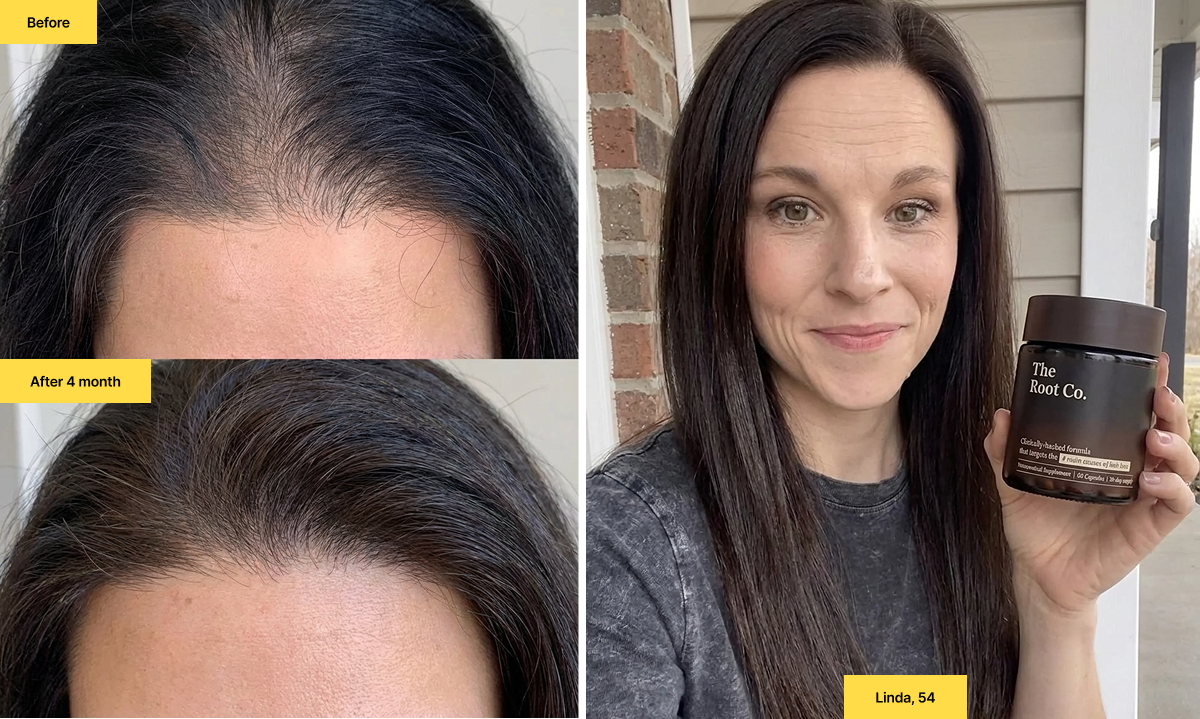
Anagen Phase Explained

What changed · October 5, 2026
- Updated The Root Co. formula details to match the product label.
- Simplified The Root Co. dosing to 2 capsules a day.
- Redesigned the tables for easier reading on a phone.
What is the anagen phase?
The anagen phase is the active growth stage of the hair cycle. It is the period when a hair follicle is actively making a hair fiber, which is why it matters so much for hair length, density, and visible fullness.
If a follicle stays in anagen longer, that hair has more time to grow before it sheds. If anagen becomes shorter, hair may appear thinner, shorter, or less dense over time. Not every hair on your scalp is in the same phase at once, which is why some daily shedding is normal.
Anagen phase explained in simple terms
Anagen phase explained simply: it is the part of the hair cycle when the follicle is switched on and producing a growing strand of hair. During this stage, cells in the base of the follicle divide quickly, harden into keratin, and push the hair upward through the scalp.
That is the main reason anagen matters more than people realize. It is not just "the growth phase" in theory. It is the biological window that determines whether hair has enough time to become long, thick, and visible.
How the anagen phase fits into the full hair cycle
The hair cycle has four main stages, and anagen is only one of them.
| Phase | What it means | What the follicle is doing |
|---|---|---|
| Anagen | Growth phase | Actively producing a hair shaft |
| Catagen | Transition phase | Slowing growth and shrinking slightly |
| Telogen | Resting phase | Holding the hair without active growth |
| Exogen | Shedding phase | Releasing the old hair |
Because these phases are staggered across thousands of follicles, healthy scalps shed hair every day without looking thin. According to the AAD hair loss overview, it is normal to lose some hair daily as part of this cycle.
Why the anagen phase determines how long and thick hair can grow
The length of anagen helps determine your maximum potential hair length. A person with a multi-year growth phase can usually grow longer scalp hair than someone whose growth phase is naturally shorter.
It also affects how full the hair looks. If more follicles stay in growth mode for longer, there is usually better overall coverage. If more follicles leave anagen too early, density can drop even before bald spots appear. This is one reason pattern hair loss often begins with a widening part, reduced ponytail density, or shorter, finer regrowth rather than sudden complete loss.

The Root Co. Hair Vitamin
Daily support for fuller-looking hair
Biotin-free and vegan. Just 2 capsules a day.
$49.90/month with subscription 90-day money-back guarantee
What happens during the anagen phase of hair growth?
During the anagen phase, the follicle becomes one of the most active structures in the body. It relies on rapid cell division, a healthy blood supply, and steady nutrient delivery to keep producing a visible hair shaft.
This is also why scalp hair behaves differently from eyebrows, eyelashes, and body hair. Each area has its own built-in growth timetable.
What the hair follicle is doing during active growth
In active growth, the hair bulb at the base of the follicle is busy making the hair strand. Matrix cells divide rapidly, then harden into keratin, the structural protein that makes up hair. Cells called melanocytes also produce melanin, the pigment that gives hair its color.
A small structure called the dermal papilla sits at the base of the follicle and helps regulate growth by supplying signals, oxygen, and nutrients through nearby blood vessels. If that signaling environment is disrupted by inflammation, hormonal pressure, illness, or nutritional strain, hair growth may become weaker or shorter.
How long the anagen phase lasts on the scalp
On the scalp, the anagen phase typically lasts about 2 to 7 years. That wide range is one reason some people can grow waist-length hair while others feel their hair always stalls at the shoulders.
A long scalp anagen phase gives hair more time to keep growing before it enters catagen and then telogen. A shorter scalp anagen phase does not automatically mean disease, but it can limit hair length and contribute to a thinner look over time.
How anagen differs by body area
Different body areas have different built-in growth schedules. That is why scalp hair can grow for years, while eyebrow or eyelash hair stops at a much shorter length.
| Area | Typical anagen duration | What that means visually |
|---|---|---|
| Scalp hair | Years | Can grow long |
| Eyebrows | Weeks to months | Stay short |
| Eyelashes | Weeks to months | Stay short |
| Body hair | Often months | Limited length |
This difference is normal biology, not a sign that scalp hair is "healthier" than other hair.
What affects the length of the anagen phase?
The length of the anagen phase can be influenced by genetics, age, hormones, inflammation, stress, illness, and nutritional status. Some factors cause a temporary cycle disruption, while others gradually shorten growth cycles over many years.
That distinction matters. Temporary shedding behaves differently from long-term follicle miniaturization.
Can stress or illness shorten the anagen phase?
Yes, major stressors can disrupt the normal growth cycle. A stressful event, high fever, surgery, rapid weight loss, or significant illness can push more hairs out of growth and into a later resting and shedding pattern.
This process is often called telogen effluvium (TE), a form of diffuse shedding that usually shows up 2 to 3 months after the trigger rather than immediately. The Cleveland Clinic guide to telogen effluvium explains this delayed timeline well. In many cases, TE improves once the trigger resolves, but the lag can make the cause easy to miss.
Postpartum shedding often follows the same pattern. Hair may look fuller during pregnancy, then shift into increased shedding a few months after delivery as hormone levels change.
How DHT affects anagen in pattern hair loss
DHT (dihydrotestosterone) is a hormone derived from testosterone that can bind to susceptible hair follicles. In androgenetic alopecia (AGA), also called pattern hair loss, repeated DHT exposure can shorten the growth phase and gradually miniaturize follicles.
Miniaturization means the follicle produces hairs that are thinner, shorter, and less pigmented over time. This is different from a temporary shed. In pattern loss, each cycle may become less productive than the one before, which is why the part widens or the crown thins gradually.
Do nutrient deficiencies affect the anagen phase?
Yes, some nutrient gaps can affect hair growth, though they are not the cause of every hair problem. Low iron status, vitamin D, zinc, inadequate protein, and severe calorie restriction are all associated with disrupted hair growth in some people.
Hair is not essential for short-term survival, so the body may deprioritize it during nutritional stress. A useful PubMed review on micronutrients and hair loss summarizes how these deficiencies can contribute. Nutrient status is one part of the picture worth checking when shedding is persistent.
How aging changes the anagen phase
Aging can shorten the anagen phase and reduce strand caliber, which means hairs may grow more slowly and emerge finer than they once did. That change can happen even without a formal hair loss diagnosis.
Slower growth with age is not always the same as irreversible loss. But if aging overlaps with hormones, inflammation, or pattern thinning, the overall effect can become much more noticeable.
Can you extend the anagen phase or support healthier hair growth?
You cannot force instant hair growth or manually switch every follicle into a longer anagen phase overnight. But you may be able to support a healthier growth cycle by removing barriers such as nutrient deficiency, scalp inflammation, chronic traction, or untreated pattern loss.
The right next step depends on the cause. A single routine does not work for everyone.
What at-home habits may support the growth phase
Supportive habits do not "cure" hair loss, but they can reduce avoidable stress on the follicle. Helpful habits include:
- eating enough total calories and protein
- correcting confirmed iron, vitamin D, or zinc deficiencies
- getting consistent sleep
- managing chronic stress where possible
- avoiding tight styles that create ongoing traction
- limiting harsh heat and chemical damage
- treating dandruff or scalp irritation rather than ignoring it
Hair responds slowly, so changes usually need 3 to 6 months to become visible.
Which treatments are designed to help keep follicles in growth mode
Some treatments are specifically used to support longer or more productive growth cycles. Minoxidil is the best-known example and is used topically or, in some cases, orally under medical guidance. Prescription anti-androgen approaches such as finasteride, dutasteride, or spironolactone may also be discussed when pattern hair loss is involved.
Other clinician-guided options can include:
- low-level laser therapy (LLLT)
- platelet-rich plasma (PRP)
- treatment of inflammatory scalp conditions
- management of thyroid, iron, or hormone issues
These options are not interchangeable, and not every person needs the same level of treatment.
Where a hair supplement fits, and where it does not
A supplement may help when hair growth is being affected by nutritional gaps, stress-related shedding, inflammation, or several smaller contributors at once. It is less likely to solve advanced, long-standing pattern loss on its own.
For readers looking at multi-factor support, The Root Co. Breakthrough Hair Vitamin pairs 15 mg of zinc, magnesium and vitamin B5 with Phyllotex, a patented botanical blend. The formula is taken as 2 capsules daily and is protected by US Patent #11,160,750. A 30-day subscription is $49.90 and the 90-day subscription is $99.89 ($33.30/month equivalent), each backed by a 90-day money-back guarantee.

What the anagen phase cannot tell you on its own
The anagen phase explains a lot about how hair grows, but it does not tell you everything by itself. You usually cannot tell just by looking whether a specific hair is in anagen, and a shorter growth phase is only one possible reason for thinning.
Hair loss is often multi-causal. Looking at the cycle helps, but it does not replace evaluation when something feels clearly off.
How to tell normal shedding from a disrupted hair cycle
Normal shedding happens daily. The concern rises when shedding becomes sustained, visibly increased, or paired with reduced density. Signs that may point to a disrupted cycle include:
- shedding that stays elevated for more than 4 to 6 weeks
- a widening part
- more scalp visibility under bright light
- a thinner ponytail
- short, fine regrowth where thicker hair used to grow
- excess hair on the pillow, in the shower, or on clothing beyond your usual baseline
Conditions related to anagen problems
A few conditions are specifically related to anagen disruption, though they are less common than TE or AGA.
- Anagen effluvium is rapid hair loss during the growth phase, often linked to chemotherapy or other severe insults that interrupt dividing cells.
- Loose anagen syndrome is a condition, more often seen in children, where growing hairs are not anchored firmly and come out too easily.
- Short anagen syndrome means the growth phase is unusually brief, so hair never seems to grow long.
These conditions need proper evaluation rather than self-diagnosis.
When to see a dermatologist about hair growth changes
See a dermatologist if hair loss is sudden, patchy, painful, inflamed, or leaving scar-like areas. Medical assessment also makes sense if shedding follows a medication change, continues well beyond the usual postpartum window, or comes with symptoms that could point to iron deficiency and hair shedding, thyroid disease, or another underlying issue.
A visit is especially worth booking if you notice:
- sudden hair loss over days or weeks
- bald patches
- scalp burning, itching, scaling, or pain
- eyebrow or eyelash loss
- postpartum shedding that stays severe beyond the expected recovery window
- fatigue, heavy periods, weight change, or other signs of possible thyroid or iron issues
If you are pregnant, nursing, taking prescription medication, or experiencing sudden or significant hair loss, consult your healthcare provider before adding a new supplement to your routine.
Daily support for fuller-looking hair
Just 2 capsules a day. Biotin-free and vegan.
In our 9-month study of 38 adults, hair count in thinning areas rose to about 2.6x the starting level. Single group, no placebo. See the study
90-day money-back guarantee · Cancel anytime
FAQ
How long does the anagen phase last?
On the scalp, the anagen phase usually lasts about 2 to 7 years. On eyebrows, eyelashes, and body hair it is much shorter, which is why those hairs do not grow as long.
Can you tell if your hair is in the anagen phase?
Not reliably by sight alone. A dermatologist can sometimes assess growth patterns with tools such as scalp examination, trichoscopy, or pull testing, but an individual hair's phase is not usually obvious at home.
What shortens the anagen phase of hair growth?
Common contributors include genetics, aging, DHT, inflammation, illness, severe stress, postpartum hormone shifts, and nutrient deficiencies such as low iron or low vitamin D. Pattern hair loss is one of the most important long-term causes because it repeatedly shortens growth cycles over time.
Can the anagen phase be extended naturally?
You cannot directly force the anagen phase to lengthen, but you may support healthier growth by addressing nutrient deficiencies, reducing traction and heat damage, managing stress, sleeping well, and treating scalp inflammation. If pattern loss is involved, medical treatment may be needed.
What is the difference between anagen and telogen hair?
Anagen hair is actively growing. Telogen hair is resting and no longer actively lengthening. A healthy scalp contains both at the same time because follicles cycle asynchronously.
Does stress affect the anagen phase?
Yes. Major physical or emotional stress can disrupt the hair cycle and push more hairs out of growth, often leading to increased shedding 2 to 3 months later. This is commonly seen in telogen effluvium.
Prices and product details verified on June 4, 2026 against trytheroot.co. Not medical advice; consult your healthcare provider before making changes to medications or starting a new supplement. These statements have not been evaluated by the Food and Drug Administration. This product is not intended to diagnose, treat, cure, or prevent any disease.
Read more
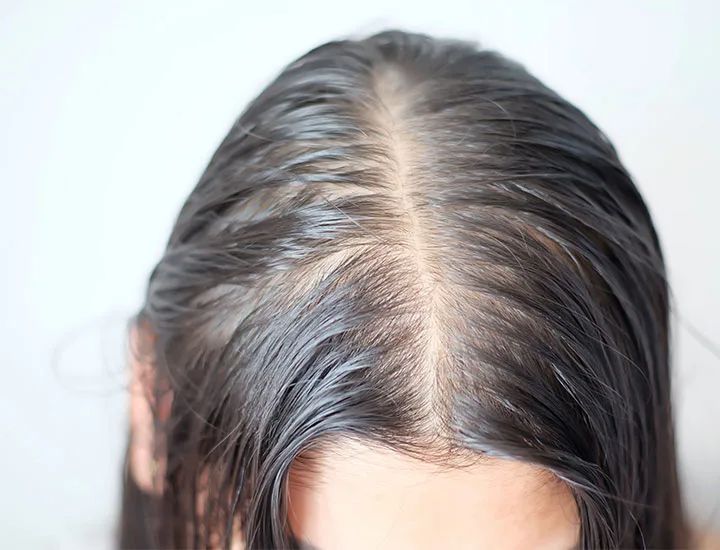
Learn how scalp inflammation and hair loss are connected, what causes it, which treatments help, and when hair regrowth may be possible.

A clear guide to nutrition for hair growth, including key nutrients, best foods, deficiency signs, supplements, and realistic timelines.