
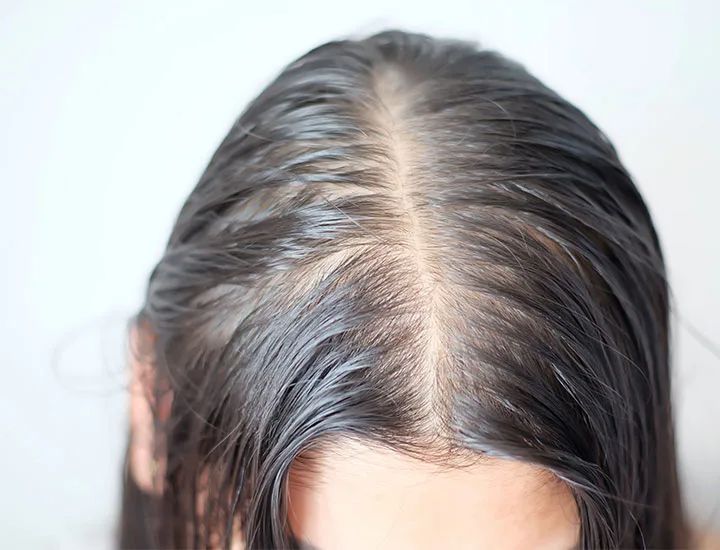
Scalp Inflammation and Hair Loss: Causes, Symptoms, Treatment, and What to Expect
What is the connection between scalp inflammation and hair loss?
Scalp inflammation and hair loss are connected because an inflamed scalp can disrupt the environment hair follicles need to grow normally. It is not just a comfort issue. When the scalp stays irritated, follicles may shift out of the growth phase too early, leading to more shedding and slower regrowth.
Scalp inflammation simply means the skin on the scalp is irritated and activated by the immune system. That can show up as redness, flakes, itching, burning, tenderness, greasy scale, or bumps. In some cases it is mild and temporary. In others, it reflects a longer-lasting condition such as seborrheic dermatitis, psoriasis, folliculitis, or an autoimmune disorder.
The reason this matters for hair is that the follicle is part of the scalp environment. Ongoing inflammation may:
- push more hairs into shedding
- interfere with normal growth signals
- worsen breakage if the scalp is scratched or overtreated
- contribute to follicle miniaturization in pattern thinning
- in scarring disorders, damage the follicle permanently
A mild flare does not always mean permanent loss. But painful, patchy, or scar-like changes deserve prompt medical attention.
How inflammation affects the hair growth cycle
Inflammation can push hairs out of the growth phase and into shedding phases earlier than they should. That is why a scalp flare is sometimes followed by a noticeable increase in hair in the shower or on the pillow.
The hair cycle has four phases:
- Anagen: the active growth phase
- Catagen: a short transition phase
- Telogen: the resting phase
- Exogen: the shedding phase, when the old hair releases
When the scalp is calm, follicles move through these phases on a relatively steady biological clock. When inflammation is present, that timing can be disrupted. More hairs may shift into telogen and exogen at once, which looks like diffuse shedding. Inflammatory stress can also make it harder for the next anagen phase to start strongly, so regrowth may look thinner or slower.
This is one reason dermatologists often emphasize treating the scalp first. If the environment around the follicle stays inflamed, growth support alone may not be enough. The AAD overview of hair loss causes is a useful starting point for understanding how different forms of shedding and thinning behave.
Can inflammatory hair loss be reversible?
Some inflammatory hair loss is reversible if the follicle is still active. Scarring forms are different and can lead to permanent loss. The key question is whether the follicle is inflamed but alive, or whether it has been replaced by scar tissue.
Hair often grows back after:
- irritant reactions to products
- dandruff or seborrheic dermatitis flares
- mild eczema-related irritation
- some cases of folliculitis once treated
Hair is less likely to fully regrow when there is:
- shiny scarred skin
- loss of visible follicle openings
- persistent pain or burning
- patchy loss that continues to expand
- diagnosed scarring alopecia
That is why timing matters. Early treatment gives active follicles a better chance to recover.
What causes scalp inflammation and hair loss?
The most common causes of scalp inflammation and hair loss include dermatitis, psoriasis, eczema, folliculitis, allergic reactions, buildup, infection, and autoimmune disease. Stress, hormonal shifts, nutritional gaps, and oxidative stress can also worsen the scalp environment, even if they are not the only trigger.
Some causes are common and manageable. Others are red flags. If you have pustules, pain, patchy loss, or scarring, do not assume it is just dandruff.
Common scalp conditions linked to inflammation
Several common scalp disorders can trigger both irritation and increased shedding. The names matter because treatment depends on the cause.
| Condition | What it usually looks like | How it may affect hair |
|---|---|---|
| Seborrheic dermatitis | Greasy flakes, itching, redness | Can increase shedding during flares |
| Psoriasis | Thick silvery scale, sharply defined plaques | Shedding may worsen from inflammation and scratching |
| Eczema | Dry, itchy, irritated patches | Can cause breakage and temporary shedding |
| Folliculitis | Inflamed bumps or pustules around follicles | May weaken follicles and sometimes scar if severe |
| Allergic contact dermatitis | Burning, itching, redness after a product | Can trigger sudden irritation and shedding |
An itchy scalp with flakes is often blamed on dryness, but dandruff and seborrheic dermatitis are common inflammatory causes. Scalp psoriasis tends to create thicker plaques. Folliculitis often feels more tender and bump-like.
Lifestyle and routine triggers that can make inflammation worse
Daily habits can make scalp inflammation worse, especially if your scalp is already reactive. Many people do not need a complicated routine. They need fewer irritants.
Common routine triggers include:
- harsh shampoos or frequent stripping cleansers
- fragrance sensitivity
- heavy styling products that create buildup
- scratching or picking at flakes
- tight hairstyles that add tension
- high heat from tools
- poor scalp hygiene after sweat or product use
- stress-related flare patterns
Stress is worth mentioning separately. It does not cause every scalp disorder, but it can worsen inflammatory signaling and increase shedding. Nutritional gaps can also make recovery slower. Zinc, magnesium, vitamin D, and adequate protein all matter for the follicle and for general skin health.
What are the signs of scalp inflammation that may be affecting your hair?
The most common signs are itching, burning, tenderness, flakes, redness, bumps, greasy scale, scalp soreness, and increased shedding. Sometimes the signs are obvious. Sometimes inflammation is quieter and shows up mainly as shedding, slower regrowth, or a widening part.
Search patterns around scalp inflammation usually include:
- itching that does not fully go away
- burning or stinging after washing
- tenderness when moving the hair
- flaky or greasy scale
- redness along the part or hairline
- bumps or pustules
- soreness when the scalp is touched
- more hair in the drain, brush, or on clothing
Inflammation is not always dramatic. A person can have a scalp that looks only mildly irritated but still notice diffuse thinning or hair that never seems to regain density after a flare.
Normal shedding is usually around 50 to 100 hairs per day. Shedding deserves closer attention when:
- it stays elevated for more than 4 to 6 weeks
- the part looks wider over time
- the ponytail feels thinner
- shedding follows a painful or itchy scalp flare
- regrowth seems stalled for months
When scalp irritation is mild versus when it may signal a medical condition
Mild irritation is usually intermittent and improves when triggers are removed. Painful, patchy, or scar-like changes are more concerning. That is the point where self-treatment should not drag on.
More likely to be mild:
- occasional itching
- light flaking
- irritation after a new product
- shedding that settles once the flare improves
More likely to need medical evaluation:
- sudden patchy hair loss
- painful lesions or pustules
- swollen or crusted areas
- shiny or scarred patches
- ongoing burning or tenderness
- inflammation that keeps returning despite basic care
If your hair loss is sudden, patchy, or significant, consult a dermatologist or healthcare provider. Sudden shedding can sometimes point to an underlying condition worth investigating.
How do you treat scalp inflammation and hair loss?
The best treatment depends on the cause. Scalp inflammation treatment may involve medicated shampoos, prescription anti-inflammatory care, treating infection, or removing the product or habit that is triggering the reaction.
A useful framework is to treat the scalp condition first, then support regrowth. Trying to force hair growth on top of an actively inflamed scalp usually leads to frustration.
Scalp inflammation treatment options by cause
Different causes respond to different treatments, so matching the treatment to the pattern matters.
| Cause | Common first-line approach | When stronger care may be needed |
|---|---|---|
| Dandruff / seborrheic dermatitis | OTC shampoos with antifungal or anti-dandruff actives | Prescription topicals for persistent flares |
| Psoriasis | Medicated shampoos and scale-softening care | Prescription steroids or dermatologist-led treatment |
| Folliculitis | Cleansing, reducing occlusive buildup | Prescription antibacterial or anti-inflammatory treatment |
| Allergic reaction | Stop the trigger product immediately | Patch testing or prescription treatment if severe |
| Autoimmune inflammation | Not a home-treatment issue | Dermatologist evaluation and targeted therapy |
A supplement can have a supporting role when the bigger picture includes nutritional gaps, stress load, or broader inflammatory patterns. The Root Co. Hair Growth Vitamins are positioned around four contributors to hair loss: DHT activity, nutritional gaps, scalp inflammation, and stress damage. The formula includes zinc, magnesium, vitamin D3, and vitamin B5, and the brand recommends 2 capsules daily. If you want a product-level overview, The Root Co. Hair Growth Vitamins are designed as a systemic supplement, not a substitute for diagnosing dermatitis, infection, or autoimmune disease.
How to treat scalp inflammation naturally at home
Natural support can help calm a reactive scalp, but it should be simple and realistic. It does not replace treatment for infection, psoriasis, or scarring disease.
Helpful home steps include:
- wash often enough to remove sweat, oil, and buildup
- use a gentle, low-fragrance shampoo
- avoid layering multiple strong scalp actives at once
- stop products that sting, burn, or leave residue
- minimize scratching, picking, and aggressive brushing
- loosen tight hairstyles
- reduce heat exposure during flares
- keep the routine boring for a few weeks
The biggest mistake is often overcorrection. People with itchy or flaky scalps sometimes cycle through oils, scrubs, acids, masks, and medicated products all at once. That can make irritation worse.
Foods to reduce scalp inflammation and support hair growth
Food can support the scalp environment, but it is not a cure for medical scalp disease. Think of diet as background support, not a replacement for actual treatment.
Nutritional patterns that may help support scalp and hair health include:
- enough protein to support hair structure
- adequate zinc
- sufficient vitamin D
- enough magnesium
- a generally anti-inflammatory eating pattern with fruits, vegetables, legumes, olive oil, and omega-3-rich foods
This matters because hair loss is not always driven by one thing. Nutritional gaps, stress, and inflammation often overlap. Our explainer on the four causes of hair thinning goes deeper into that broader framework.
How long does it take to recover from scalp inflammation and can hair grow back?
Scalp symptoms often improve before hair density does. Hair regrowth usually takes months, not weeks. That gap is normal. A calmer scalp is the first milestone. Visible regrowth comes later if follicles are still viable.
Recovery timelines vary by scenario:
| Scenario | When symptoms may calm | When hair may improve |
|---|---|---|
| Irritant reaction | 1 to 3 weeks after removing trigger | 2 to 3 months for shedding to normalize |
| Seborrheic dermatitis flare | Several weeks with consistent treatment | 2 to 4 months for density to start recovering |
| Folliculitis | Weeks, depending on severity and treatment | Several months if follicles were not scarred |
| Chronic inflammatory condition | Variable | Often requires longer-term management |
What improvement can look like in the first 1 to 3 months
In the first 1 to 3 months, the earliest wins are usually less itching, less flaking, and fewer hairs shedding. Regrowth, if it happens, tends to lag behind symptom control.
A practical sequence often looks like this:
- Less itching, burning, or tenderness
- Less flaking or scale
- Fewer hairs in the shower or brush
- Short regrowth along the part or hairline
- Gradual improvement in fullness over several more months
This slower timeline is one reason some people consider an oral supplement alongside scalp treatment. The Root Co. cites an independent clinical reference presented to the International Society of Hair Restoration Surgeons and reports 93% reduced shedding within 60 days in brand documentation. That does not mean every case of inflammatory hair loss will respond the same way, but it is relevant when shedding, nutritional gaps, stress, and scalp-level inflammation overlap.
When home care is not enough
Home care is not enough if symptoms are persistent, painful, patchy, infected-looking, or possibly scarring. Those patterns need a dermatologist, not more trial and error.
See a dermatologist if you have:
- scalp pain or burning that keeps returning
- patchy hair loss
- pustules, crusting, or drainage
- shiny areas that look scarred
- no improvement after several weeks of basic care
- hair loss linked to autoimmune disease, thyroid issues, or other systemic symptoms
If you are pregnant, nursing, taking prescription medication, or experiencing sudden or significant hair loss, consult your healthcare provider before adding a new supplement to your routine.
These statements have not been evaluated by the Food and Drug Administration. This product is not intended to diagnose, treat, cure, or prevent any disease.
FAQ
Can scalp inflammation really cause hair loss?
Yes. Scalp inflammation can disrupt the hair cycle, increase shedding, and slow regrowth. In more serious inflammatory disorders, it can also damage follicles enough to cause longer-term loss.
How do I know if my hair loss is from scalp inflammation or something else?
Look for timing and symptoms together. If your shedding rose during or after itching, redness, flakes, soreness, bumps, or burning, inflammation may be part of the picture. If the loss is patchy, sudden, or happening without visible scalp symptoms, other causes such as telogen effluvium, androgenetic alopecia, thyroid issues, or iron deficiency may also need to be considered.
What is the best scalp inflammation treatment for hair loss?
The best treatment depends on the cause. Dandruff and seborrheic dermatitis often respond to medicated shampoos. Allergic reactions improve when the trigger is removed. Folliculitis may need prescription care. Autoimmune or scarring conditions should be evaluated by a dermatologist.
How to treat scalp inflammation naturally without making it worse?
Keep the routine simple. Use gentle cleansing, reduce fragrance and heavy buildup, avoid scratching, loosen tight styles, and do not layer too many strong actives at once. Natural support can help mild irritation, but persistent inflammation should not be self-treated for long.
Is inflammatory hair loss reversible once the scalp calms down?
Often, yes, if the follicle is still active. Temporary inflammation-related shedding may improve once the scalp environment recovers. If the condition is scarring and the follicle has been permanently damaged, regrowth may be limited.
What foods help reduce scalp inflammation?
No single food fixes an inflamed scalp, but a supportive pattern can help. Focus on enough protein, zinc-rich foods, vitamin D sufficiency, magnesium intake, and an overall anti-inflammatory eating pattern built around whole foods rather than highly processed ones.
Read more
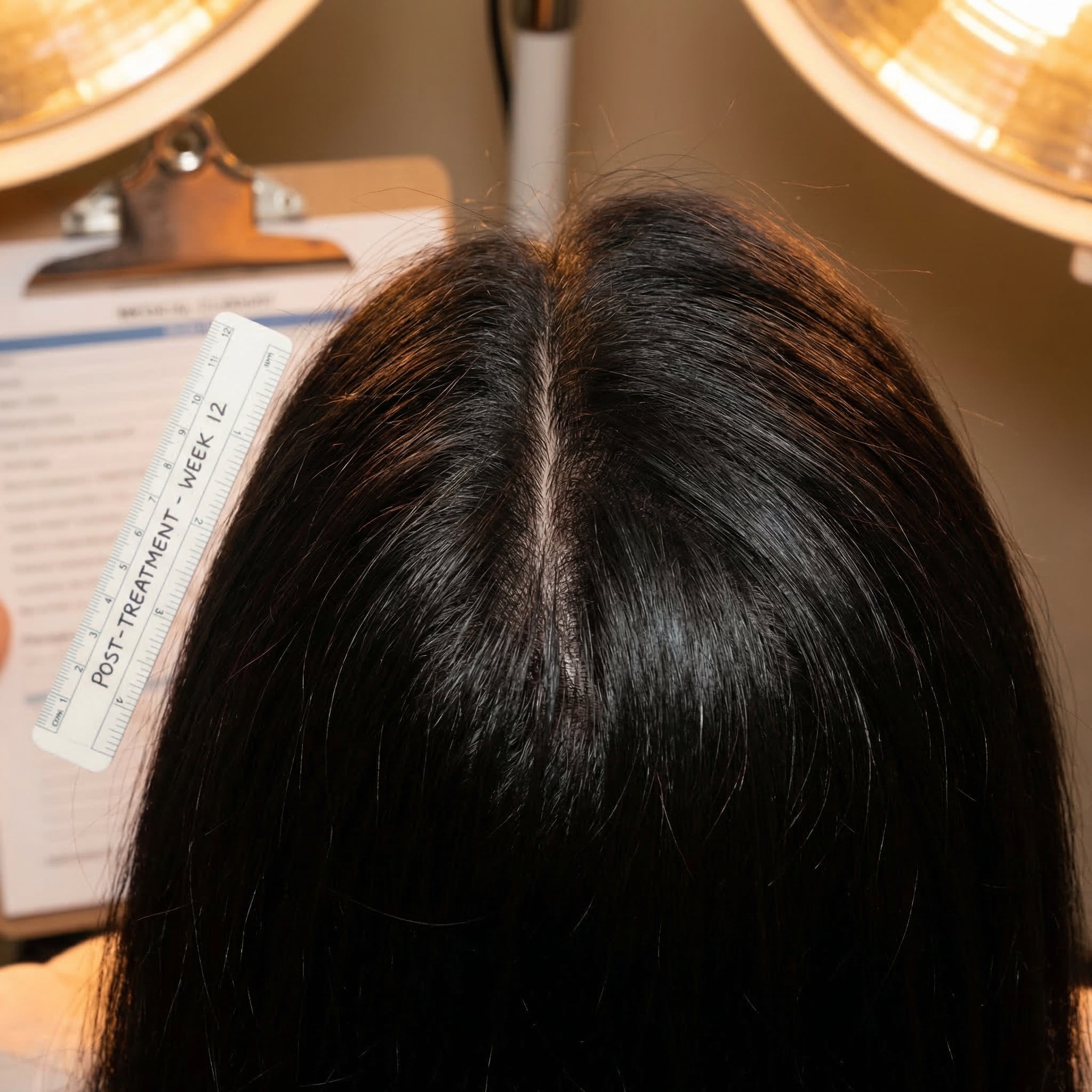
Learn how scalp health and hair growth are connected, what causes scalp issues, and the routine changes that may support stronger, fuller hair.
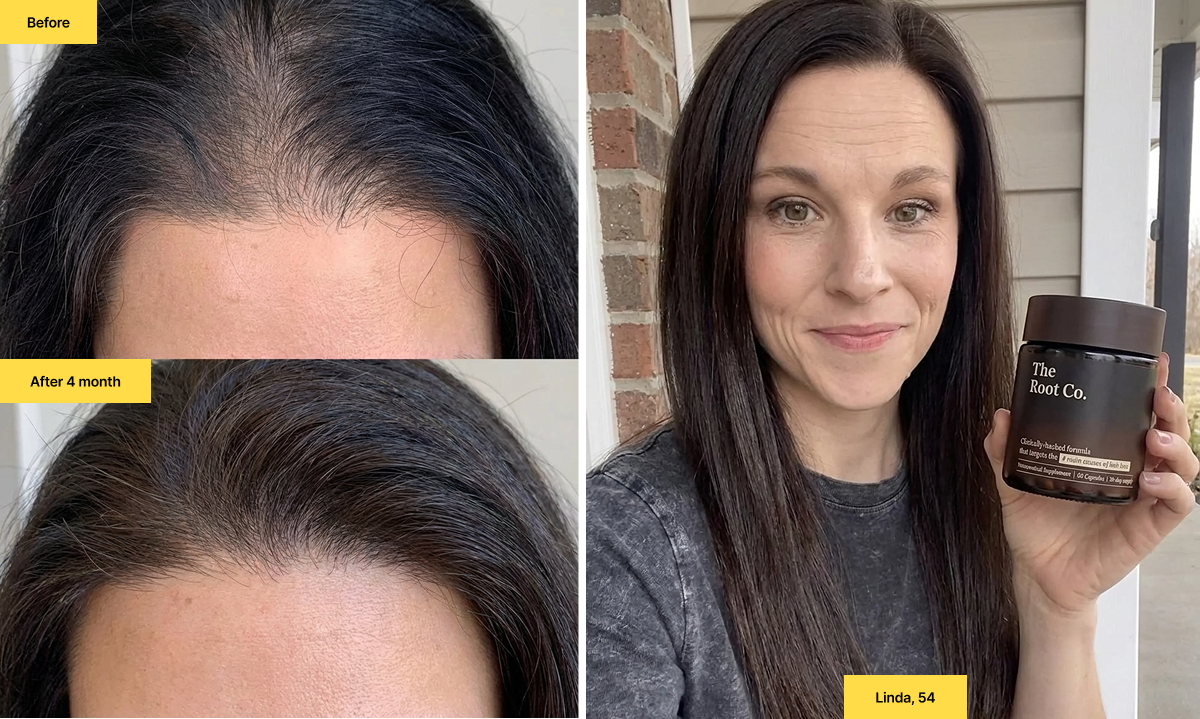
How long does the anagen phase last? Learn what affects hair’s growth stage, what can shorten it, and when to seek help for thinning or shedding.