
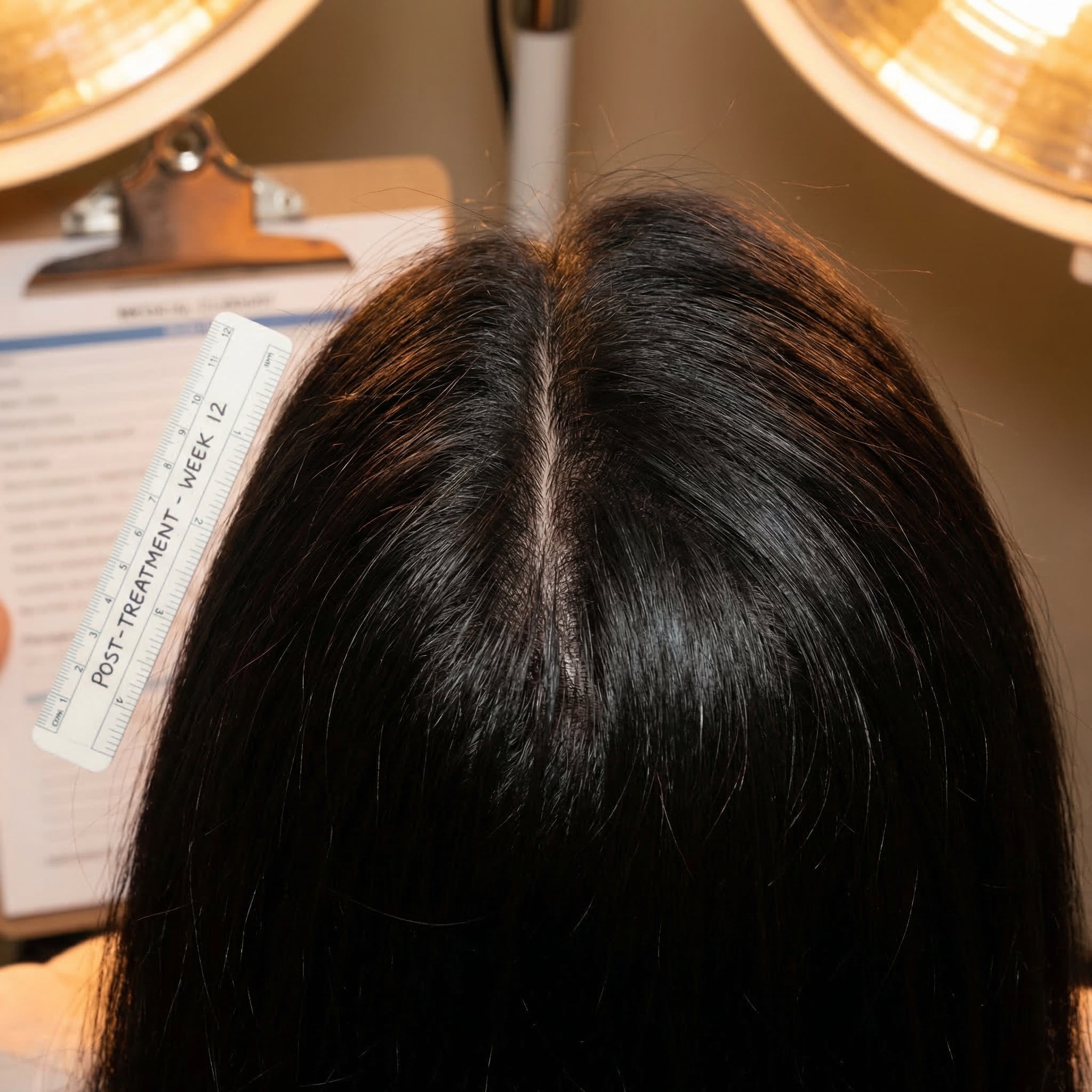
Scalp Health and Hair Growth: What Actually Helps, What Hurts, and What to Expect
Scalp health and hair growth are connected because the scalp is the environment where hair follicles live. When that environment is irritated, inflamed, clogged with residue, or chronically out of balance, hair may shed more easily and grow less efficiently.
A hair follicle is a small structure in the skin that produces each strand of hair. Follicles do not operate in isolation. They are affected by oil production, skin barrier function, inflammation, blood flow, hormones, and nutrient status. That is why scalp discomfort and hair changes often show up together, even when the underlying cause is not purely "a scalp problem."
It also helps to understand the basic hair cycle:
- Anagen is the growth phase, when the hair actively grows
- Catagen is the transition phase, when growth slows
- Telogen is the resting phase, when the hair is no longer growing
- Exogen is the shedding phase, when the old hair is released
Hair concerns can look similar but mean different things:
- Breakage means the hair shaft is snapping, often from heat, friction, bleaching, or rough handling
- Temporary shedding means more hairs than usual are falling out, often after stress, illness, postpartum hormone shifts, or medication changes
- True thinning means overall density is gradually decreasing, often because follicles are producing finer, shorter hairs over time
If you do not separate those three, it is easy to use the wrong solution.
What does a healthy scalp look and feel like?
A healthy scalp usually feels comfortable and looks relatively calm. That means little to no persistent itching, minimal visible flaking, balanced oil production, and no ongoing redness, burning, or tenderness.
Signs of a healthy scalp often include:
- Comfortable skin, even between wash days
- A normal amount of oil, not extreme greasiness or tight dryness
- Minimal flakes
- No persistent sore spots or bumps
- No ongoing redness around the hairline or part
- Hair that is easier to manage because the roots are not weighed down by residue
A healthy scalp does not have to be perfectly oil-free or perfectly flake-free every day. Real scalps vary with weather, workouts, hormones, and product use. The key is whether the scalp is broadly stable and comfortable most of the time.
Can poor scalp health cause hair loss?
Poor scalp health can contribute to hair shedding and weaker hair growth, but it is not the only cause of hair thinning. Irritation, inflammation, heavy buildup, and untreated dandruff can make the scalp a less supportive environment for follicles. At the same time, many cases of thinning are also influenced by hormones, stress, genetics, illness recovery, or nutrient gaps.
That distinction matters. A better shampoo may help a flaky, overloaded scalp feel calmer within weeks. It may not fully solve pattern thinning or stress-related shedding on its own.
What causes an unhealthy scalp in the first place?
An unhealthy scalp usually develops from a mix of skin-level triggers and internal factors. Common causes include excess oil, product buildup, harsh cleansing, dandruff, inflammation, and stress-related shifts in the hair cycle.
Some of the most common scalp disruptors are straightforward:
- Excess oil that traps debris and makes the scalp feel heavy
- Product buildup from dry shampoo, styling creams, oils, or silicones
- Over-washing, which can dry and irritate the scalp barrier
- Under-washing, which can let sweat, oil, and residue accumulate
- Harsh shampoos or heavily fragranced products that irritate sensitive skin
- Dandruff and seborrheic dermatitis, a common inflammatory scalp condition linked with flaking and itch
Other causes are often underexplained:
- Scalp inflammation, even when it is mild and not obvious
- Microbiome imbalance, meaning the balance of yeast and bacteria on the scalp has shifted
- Oxidative stress, which refers to cellular stress from internal and environmental factors
- Sun exposure on exposed parts or thinning areas
- Friction and tension from tight styles, extensions, helmets, or frequent pulling
Internal factors matter too. Follicles are biologically active tissue, so changes in the body often show up in the scalp and hair:
- Stress
- Hormonal shifts
- Illness recovery
- Nutrient gaps
- Rapid weight loss
- Medication changes
That is one reason hair changes often begin two to three months after the actual trigger.
Dry scalp vs dandruff vs irritation: how to tell the difference
Not every flake means dandruff. Dry scalp can occur when the skin on your head loses too much water or moisture, causing itching and flaking that is easy to mistake for dandruff. Dry scalp, dandruff, and irritation can overlap, but they usually have different patterns and may need different care.
| Concern | What it tends to look like | What it tends to feel like | Common triggers |
|---|---|---|---|
| Dry scalp | Small, dry flakes | Tight, dry, sometimes mildly itchy | Cold weather, over-washing, harsh cleansers |
| Dandruff | Oily or waxy flakes, often more visible | Itchy, sometimes greasy | Yeast overgrowth, oil imbalance, seborrheic dermatitis |
| Irritation | Redness, soreness, flaky patches | Burning, stinging, tenderness, itch | Fragrance, actives, harsh products, allergic reaction |
Treating every flake with stronger anti-dandruff products can backfire if the real issue is dryness or product irritation. If the scalp feels increasingly raw, the routine may be too aggressive.
When scalp symptoms may point to a medical condition
Patchy hair loss, scalp pain, thick scale, or sudden heavy shedding deserve a closer look. Those symptoms can sometimes point to conditions such as scalp psoriasis, eczema, alopecia areata, thyroid issues, or other underlying causes that need medical evaluation.
Consider seeing a dermatologist if you notice:
- Sudden or severe shedding
- Patchy bald spots
- Thick crusting or heavy scale
- Painful inflammation
- Scalp sores
- Hair loss with fatigue, menstrual changes, or other systemic symptoms
If you are pregnant, nursing, taking prescription medication, or experiencing sudden or significant hair loss, consult your healthcare provider before adding a new supplement to your routine. Sudden hair loss can sometimes be a sign of an underlying condition worth investigating.
How to get healthy scalp naturally with a routine that supports growth
The most useful scalp routine is usually simple, consistent, and matched to your actual scalp type. Good scalp care supports hair growth best when it protects the scalp barrier, removes buildup without over-stripping, and reduces unnecessary tension and breakage.
A realistic routine looks more like maintenance than perfection. You do not need ten steps. You need a routine you can repeat.
Core habits that support scalp health and hair growth:
- Wash often enough to remove sweat, oil, and buildup
- Use a gentle shampoo most of the time
- Clarify occasionally if you use heavy styling products or dry shampoo
- Avoid scratching or aggressively scrubbing the scalp
- Limit tight styles that create scalp tension
- Detangle carefully and reduce high-heat styling where possible
Cleanse based on your scalp type, not someone else's routine
Washing frequency should match your scalp, not a trend on social media. Oily scalps usually need more frequent washing than dry or sensitive scalps, and people who exercise heavily may need to wash more often regardless of hair texture.
| Scalp type | Usual wash pattern | What to watch for |
|---|---|---|
| Oily scalp | Every day to every other day | Greasy roots, buildup, itch after skipping washes |
| Dry scalp | Every 2 to 4 days | Tightness, small dry flakes, rough feeling |
| Sensitive scalp | As needed with very gentle products | Burning, redness, stinging from fragranced formulas |
| Flaky scalp | Depends on cause | If flakes are oily and itchy, dandruff care may help more than washing less |
For many people, the best wash frequency is simply the one that leaves the scalp calm between washes.
Use scalp-friendly products without overloading the skin
Gentle products usually help more than harsh "deep clean" routines. A basic shampoo that cleans well, an occasional clarifying wash, and restraint with leave-ins often work better than layering multiple scalp serums and exfoliants.
Helpful principles:
- Choose a gentle shampoo for regular use
- Clarify only when needed, not every wash
- Be careful with heavily fragranced products if your scalp is reactive
- Avoid piling oils, dry shampoo, and styling residue directly onto the scalp
- Patch test new scalp treatments if you are prone to irritation
If you are dealing with persistent dandruff or seborrheic dermatitis, scalp care may need more than cosmetic products. The American Academy of Dermatology dandruff guidance gives a useful overview of when over-the-counter care may help and when medical treatment makes more sense.
Support circulation and reduce mechanical stress
Small daily habits can reduce stress on both the scalp and the hair fiber. Gentle scalp massage, looser styling, less heat, and careful detangling will not transform hair overnight, but they can reduce avoidable breakage and tension.
Useful habits include:
- Gentle fingertip massage for a few minutes, without scraping the skin
- Looser ponytails, buns, and braids
- Less direct high heat at the roots
- Detangling from the ends upward
- Sleeping on a smoother pillowcase if friction is a problem
These habits matter most as support measures. They help create better conditions, but they do not replace treatment when the main issue is hormonal thinning, telogen effluvium, or a scalp disorder.
Nutrition, stress, and systemic factors that influence scalp health and hair growth
Scalp health is not only about what you apply topically. Hair follicles also depend on internal nutrient status, inflammation balance, hormone signaling, and stress regulation.
Several nutrients are commonly linked with hair health, including vitamin D, zinc, iron, and B vitamins. Deficiencies or suboptimal levels of these vitamins and minerals can make it harder for follicles to function well. That does not mean everyone with hair shedding needs a supplement.
Stress is another major factor. Telogen effluvium is a form of diffuse shedding that often starts two to three months after a trigger such as illness, surgery, grief, childbirth, or severe stress. That delay is why many people feel confused about what caused the shedding in the first place.
Can supplements improve scalp health and hair growth?
Some supplements may help when hair changes are linked to nutritional gaps, inflammation, DHT-related stress, or broader stress pathways, but they are not a cure-all. They tend to work best for early to moderate thinning, increased shedding, or situations where follicles are still active.
This is where a more systemic product can fit better than a single-ingredient formula. The Root Co. Hair Growth Vitamins are designed around four mechanisms the brand highlights: DHT activity, nutritional gaps, scalp inflammation, and stress damage. The formula includes zinc, magnesium, vitamin D3, and vitamin B5, along with botanical extracts such as açai berry, green coffee bean, olive leaf, and pau d'arco. The serving is 2 capsules daily, with 60 capsules per bottle as a 30-day supply.
The brand also cites US Patent #11,160,750 and reports an independent clinical reference presented to the International Society of Hair Restoration Surgeons, with outcomes including reduced shedding within 60 days for most participants in brand materials. That does not mean it is the right choice for every reader, and it does not replace a medical workup when hair loss is sudden, patchy, or severe. It does make it worth considering if your concern seems to involve more than surface buildup alone.
These statements have not been evaluated by the Food and Drug Administration. This product is not intended to diagnose, treat, cure, or prevent any disease.
Where scalp health and hair growth products fit in
Different product categories do different jobs. Shampoos help manage the scalp environment. Topicals can target specific scalp issues. Supplements work more systemically. Prescription options are often strongest for diagnosed pattern hair loss or inflammatory scalp disease.
| Category | What it may help with | What it usually cannot do alone |
|---|---|---|
| Shampoo | Oil control, flakes, residue, scalp comfort | Reverse advanced thinning |
| Topicals | Local irritation, dandruff, some growth support depending on formula | Correct nutrient gaps or hormonal drivers on their own |
| Supplements | Nutritional support, systemic stress pathways, broader hair support | Regrow hair on long-bald, inactive follicles |
| Prescription treatments | Pattern hair loss, inflammatory scalp disease | Replace good routine basics |
For readers comparing systemic support options, The Root Co. Hair Growth Vitamins are most relevant when the issue looks like early to moderate thinning, ongoing shedding, hormonal change, or stress-related hair disruption rather than just a dirty or dry scalp.
What results are realistic, and when should you get help?
Scalp comfort can improve fairly quickly, but visible hair growth is slower. Irritation or flaking may settle within a few weeks if the routine matches the cause. Meaningful changes in shedding, density, and regrowth usually take months because follicles follow a biological cycle.
That timeline is important. Hair products lose trust when they promise skin-care speed in a hair-growth category.
A routine or supplement also has a ceiling. It may help support active follicles. It will not reliably restore areas that have been completely bald for years, and it will not replace treatment for untreated scalp disease or advanced pattern hair loss.
How long does it take to improve scalp health and hair growth?
Scalp symptoms often improve faster than hair density. Less itch or reduced flaking may happen within 2 to 4 weeks, while visible hair changes often take 3 to 6 months or longer.
A realistic timeline looks like this:
| Timeline | What may improve |
|---|---|
| 2 to 4 weeks | Less itch, less irritation, better scalp comfort |
| 1 to 2 months | Reduced buildup, more balanced oil, sometimes less shedding |
| 3 to 4 months | Early visible changes in shedding patterns and new growth |
| 6+ months | More meaningful density and thickness changes, if follicles remain active |
If you are using a supplement consistently, this longer timeline is normal. Many readers do best when they track changes in shedding, part width, and ponytail thickness rather than checking the mirror every day.
Signs your current routine may be making things worse
A routine is not helping if the scalp feels more irritated, not less. Increasing itch, tenderness, flakes, or breakage can be a sign that products or habits are creating more stress than support.
Watch for these red flags:
- More itching after adding a new product
- Persistent flakes despite "treating" them
- Scalp tenderness or burning
- Hair that feels drier and breaks more easily
- More shedding that continues beyond a normal adjustment period
- Tight styles causing soreness around the hairline
If symptoms are getting worse rather than stabilizing, simplify the routine first. If that does not help, a dermatologist visit is more useful than adding more products.
FAQ
Does improving scalp health help hair grow faster?
Improving scalp health may help create better conditions for hair growth, but it does not override the biology of the hair cycle. A calm, clean, low-irritation scalp can reduce friction, inflammation, and buildup that interfere with healthy growth. Hair still grows on a timeline measured in months, not days.
How do I get a healthy scalp naturally?
Start with a simple routine that matches your scalp type. Wash often enough to prevent buildup, use gentle products, avoid scratching and tight styles, and pay attention to stress, nutrition, and any sudden changes in shedding. Natural habits help most when they are consistent.
What are the best tips for healthy hair growth if my scalp is itchy or flaky?
First, figure out whether the problem is dryness, dandruff, or irritation. Then keep the routine simple: use a gentle shampoo, wash often enough to clear oil and residue, avoid heavily fragranced products if you are sensitive, and do not overload the scalp with oils and styling products. If itch and flakes persist, it may be more than a cosmetic issue.
Can dandruff or scalp buildup cause hair thinning?
Dandruff and scalp buildup can contribute to shedding and weaker hair growth, especially if the scalp stays inflamed or itchy. They are not the only causes of hair thinning, though. Hormones, stress, genetics, illness recovery, and nutrient gaps often play a role too.
What is the best hair care routine for hair growth and thickness?
The best routine is the one you can maintain consistently without irritating your scalp. For most people, that means regular cleansing, occasional clarifying if buildup is a problem, gentle handling, looser styling, less heat, and realistic expectations. If the issue appears systemic rather than purely cosmetic, a broader approach that includes nutrition, stress support, or a supplement may make more sense than shampoos alone.
Read more
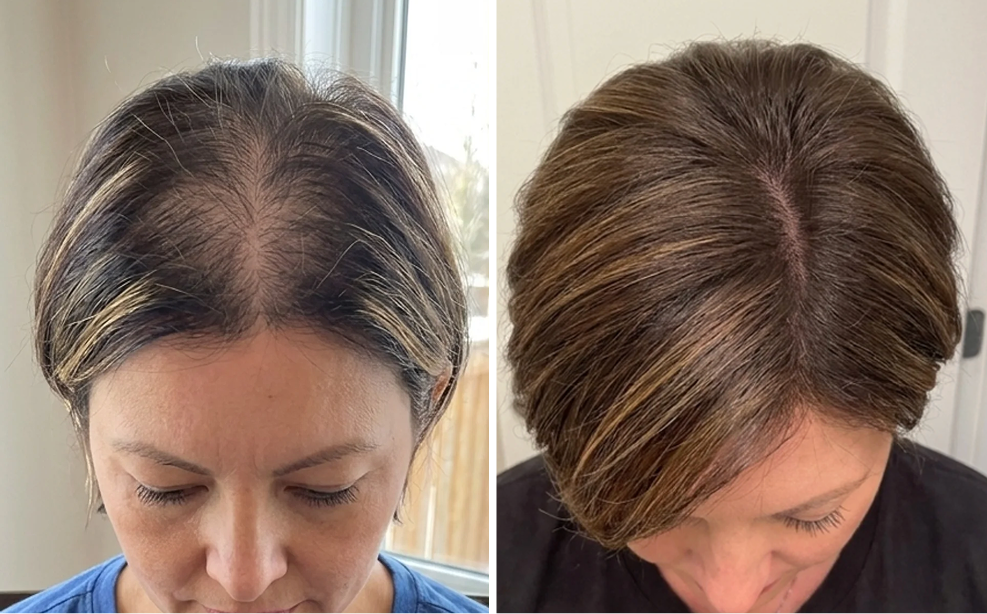
Learn when a supplement for hair regrowth can help, which ingredients matter, realistic timelines, and how options like The Root Co., Nutrafol, and Viviscal compare.
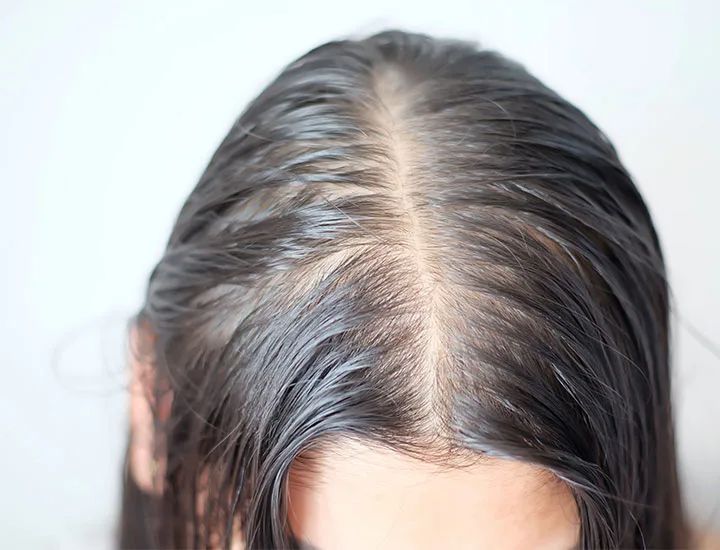
Learn how scalp inflammation and hair loss are connected, what causes it, which treatments help, and when hair regrowth may be possible.