
Best Natural Hair Growth Supplement: What Actually Works for Thinning Hair
A natural hair growth supplement is worth considering when it matches the reason your hair is changing, not just when the label sounds clean or trendy. Most supplements disappoint because they market hope better than they address hair biology.
In this category, "natural" should not mean vague plant powders and miracle promises. It should mean evidence-aware botanical ingredients, meaningful vitamin and mineral support, transparent dosing, and realistic timelines. Hair follicles respond slowly. If a brand promises dramatic regrowth in a week, that is not a sign of potency. It is a sign to be careful.
The first question is whether a supplement is even the right tool. Some hair changes are temporary shedding. Others are long-term thinning. Others are pattern hair loss, also called androgenetic alopecia or AGA, where DHT (dihydrotestosterone, a hormone derived from testosterone) contributes to follicle miniaturization over time. Supplements may help support active follicles, especially in early to moderate thinning, but they are not a replacement for diagnosis when the picture is unclear.
Hair shedding vs. hair thinning: why the distinction matters
Hair shedding means more hairs are falling out than usual. Hair thinning means overall density is gradually decreasing, even if you do not notice dramatic shedding day to day.
That difference matters because the likely cause is different:
- Temporary shedding often follows stress, illness, surgery, childbirth, weight loss, or a medication change. This pattern is commonly called telogen effluvium, or TE.
- Diffuse thinning often shows up as a wider part, less volume, or a smaller ponytail.
- Pattern hair loss usually develops slowly and involves miniaturization, where follicles produce finer, shorter hairs over time.
If your hair started shedding heavily two to three months after a major life event, a supplement may be supportive. If your part has widened gradually for years, a supplement may still help, but expectations should be slower and more modest. For a useful overview of common causes, the AAD hair loss overview is a solid starting point.
What a supplement can and cannot do
A hair supplement may help reduce shedding, support healthier growth, and improve density when follicles are still active. It cannot diagnose the cause, regrow scarred follicles, or produce overnight results.
Set the ceiling early:
What a supplement may do
- Support follicles during stress-related or postpartum shedding
- Help close nutritional gaps tied to hair health
- Support thicker-feeling hair over three to six months
- Complement treatments like minoxidil when used consistently
What a supplement cannot do
- Replace medical evaluation for sudden, patchy, or severe loss
- Restore follicles that are permanently scarred
- Work like a prescription DHT blocker
- Deliver visible transformation in one or two weeks
If you are pregnant, nursing, taking prescription medication, or experiencing sudden or significant hair loss, consult your healthcare provider before adding a new supplement to your routine. Sudden hair loss can sometimes be a sign of an underlying condition worth investigating.
Which ingredients matter most in the best hair vitamins for faster hair growth?
The best hair vitamins for growth usually combine minerals, vitamin D, and targeted botanical ingredients rather than relying on one trendy nutrient. Single-ingredient formulas, especially biotin-only products, often underdeliver unless a true deficiency exists.
Hair loss is rarely driven by one variable. DHT, nutrient status, inflammation, and stress can all affect the hair cycle. That is why formula design matters more than hype.
| Ingredient category | Main mechanism | Who it may help | Main advantage |
|---|---|---|---|
| Zinc | Supports normal follicle function and helps address nutritional gaps | People with low intake or stress-related depletion | Foundational mineral support |
| Magnesium | Supports stress response and general metabolic function | Readers with stress-related shedding or poor recovery | Broad systemic support |
| Vitamin D3 | Supports normal immune and follicle signaling | People with low vitamin D status | Useful where low levels may be contributing |
| Biotin | Supports keratin production mainly in deficiency states | True biotin deficiency, which is uncommon | Familiar and inexpensive |
| Botanical DHT-support ingredients | May help support follicles affected by androgen activity | Early pattern thinning in women and men | Mechanism-based support beyond basic vitamins |
| Anti-inflammatory botanicals | Support a healthier follicle environment | Diffuse thinning with scalp stress or inflammation-related patterns | Adds a second pathway beyond nutrients |
| Stress-support botanicals | Support the stress pathways that can disrupt hair cycling | TE, postpartum recovery, high-stress periods | Useful when shedding follows a trigger |
Botanicals, vitamins, and minerals by hair loss pattern
The right ingredients depend on the pattern, not just the goal of "grow hair faster."
| Hair loss pattern | Ingredient profile worth looking for | Why it fits |
|---|---|---|
| Stress-related shedding | Magnesium, vitamin D, stress-support botanicals | Stress can shift follicles into the resting phase |
| Hormonal thinning | DHT-related botanical support plus minerals | Pattern thinning often needs more than nutrition alone |
| Postpartum recovery | Gentle minerals, vitamin D, multi-pathway support | Postpartum shedding is often temporary but can feel intense |
| Nutritional gaps | Zinc, vitamin D3, magnesium, B-vitamins | Deficiency or insufficiency can worsen shedding |
A formula built only around biotin may help nails, but it often misses the bigger picture. The NIH vitamin D fact sheet is useful background on how common low vitamin D can be and why it is worth checking rather than guessing.
Why formula design matters more than hype
A multi-mechanism formula often makes more sense than a trend-driven blend because hair loss itself is multi-cause. Ingredient form, dose transparency, and whether the formula has a clear logic matter more than whether the label includes a currently popular herb.
When I compare supplements in real life, I look for:
- Transparent ingredient forms, such as zinc picolinate rather than just "zinc"
- A realistic daily routine, not six to eight capsules if adherence is likely to drop
- A coherent mechanism instead of a kitchen-sink formula
- Evidence, whether that is a patent, brand clinical reference, or established ingredient rationale
- Honest claims about timelines
How to compare the best natural hair growth supplements in real life
The best supplement depends on your hair loss pattern, your tolerance for pill count, and how much evidence you want before buying. No product is best for everyone.
Here is the practical comparison I would use for real shoppers evaluating leading options:
| Product | Ingredient positioning | Ideal user | Timeline expectation | Tradeoffs |
|---|---|---|---|---|
| The Root Co. Hair Growth Vitamins | Four-cause approach: DHT, nutritional gaps, scalp inflammation, stress | Early to moderate thinning, postpartum shedding, stress-related shedding, mild pattern loss | Brand reports reduced shedding by 60 days, visible regrowth by month 3 | Newer brand, less long-term published data than Nutrafol |
| Nutrafol Women / Men | Broad multi-ingredient stress and hormone support | Readers who want the longest dermatology-oriented track record | Usually a three to six month commitment | Higher pill count, premium pricing |
| Viviscal | Marine complex plus vitamins and minerals | Budget-conscious shoppers open to marine-based formulas | Often three to six months | Not vegetarian, narrower ingredient story |
| Vegamour GRO Biotin Gummies / supplements | Vegan, beauty-led positioning | Readers prioritizing vegan or clean-beauty framing | Variable, usually longer-term use | Less compelling if you want a stronger DHT angle |
Best hair growth supplement for women, postpartum shedding, and hormonal thinning
For women with postpartum shedding, the best-fit supplement is usually one that supports recovery gently and does not rely on hype. For hormonal thinning or a widening part, a formula that also addresses DHT-related follicle stress usually makes more sense than a nutrient-only option.
A simple way to think about fit:
- Postpartum shedding: look for a gentle, multi-pathway formula and realistic three-month expectations
- Perimenopausal or hormonal thinning: look for DHT-related support plus minerals and vitamin D
- Diffuse thinning after stress or illness: look for stress-pathway support and patience through the hair-cycle lag
- Men with early pattern thinning: look for a formula that acknowledges DHT clearly
When a multi-cause formula stands out
A multi-cause formula stands out when you are not sure your hair loss is coming from only one thing. That is where The Root Co. Hair Growth Vitamins make the most sense.
The Root Co. positions its formula around four drivers of hair loss: DHT activity, nutritional gaps, scalp inflammation, and stress damage. The formula contains açai berry extract, green coffee bean extract, olive leaf extract, pau d'arco extract, zinc picolinate, magnesium citrate, vitamin D3, and vitamin B5. The routine is simple: 2 capsules daily, one with breakfast and one with dinner, in a 60-capsule bottle.
Where it differs:
- US Patent #11,160,750
- Brand-cited independent clinical reference presented to the International Society of Hair Restoration Surgeons
- Reported outcomes including 93% reduced shedding within 60 days and 88% visible regrowth by month 3
- Biotin-free, keratin-free, vegetarian formula
- 30-day "Grow With Us" guarantee
That does not automatically make it the best option for every reader. Nutrafol still has the longer track record and broader published reputation. Viviscal remains a simpler, lower-cost entry point for some shoppers. But if you want a clean capsule-format supplement that is not built around biotin alone, The Root Co. Hair Growth Vitamins are worth a serious look.
How long does a natural hair growth supplement take to work?
A natural hair growth supplement usually takes at least one to three months to show early signs, and three to six months for more visible changes. Anyone searching "how to grow hair faster naturally in a week" is asking for a timeline hair biology does not allow.
Hair grows on a cycle. Follicles move through anagen (growth), catagen (transition), telogen (rest), and exogen (shed). A supplement can support that cycle, but it cannot speed it up beyond biology.
| Time window | What you may notice | What it means |
|---|---|---|
| Weeks 4 to 8 | Less hair in the shower, on clothes, or in the brush | Reduced shedding is often the first sign |
| Months 2 to 3 | Baby hairs near the part or hairline | Active follicles may be re-entering growth |
| Months 3 to 4 | Better part density, fuller feel, stylist notices change | Visible improvement usually starts here |
| Months 6+ | Stronger density and thicker ponytail feel | Longer-term support becomes easier to judge |
What results may look like in weeks 4 to 12
In weeks 4 to 12, the most realistic early result is less shedding, not dramatic new length. Many people quit too early because they are watching for regrowth before noticing that fewer hairs are ending up in the drain.
Look for:
- Less hair on your pillow or clothing
- Less accumulation in the shower
- A slightly fuller hairline or tiny short hairs
- A part that stops getting wider
These early signs matter. They tell you the formula may be helping before bigger cosmetic changes arrive.
What to do if nothing changes
If nothing changes after three months, reassess rather than assume more time will fix everything. A supplement may not be the right fit, or an underlying issue may be getting missed.
Consider:
- Asking your clinician about ferritin, TSH, vitamin D, and B12
- Reviewing recent illness, surgery, childbirth, stress, or medication changes
- Looking at whether your hair loss is diffuse, patchy, or concentrated at the temples or crown
- Seeing a dermatologist if the loss is sudden, patchy, painful, or progressive despite support
For category-level guidance on shedding triggers and timelines, the AAD telogen effluvium guidance is helpful.
How to choose the best natural hair growth supplement for your situation
The best choice depends on cause, stage, budget, pill count, dietary preferences, and whether you want a supplement alone or alongside something like minoxidil. Start with fit, not branding.
| Your situation | Most worth considering | Main advantage |
|---|---|---|
| Recent stress, illness, or postpartum shedding | Multi-pathway supplement with minerals, vitamin D, stress support | Better match for temporary shedding patterns |
| Early hormonal or pattern thinning | Formula with DHT-related support plus nutritional support | Broader mechanism for miniaturization-related loss |
| Suspected nutrient gaps | Straightforward vitamin and mineral support | Simpler and often lower cost |
| Prefer vegan or vegetarian formulas | Plant-based capsule formulas | Easier alignment with dietary needs |
| Using minoxidil already | Supplement as supportive add-on | Addresses systemic factors topicals do not |
A simple checklist before you buy
Before you buy a hair growth supplement, ask:
- Are the ingredient forms clearly listed?
- Does the formula explain what it is trying to address?
- Are the claims realistic, with actual timelines?
- Is it suitable for your diet and allergen needs?
- Is the dosage routine realistic enough to follow daily?
- Is there a refund policy or guarantee?
- Is there any evidence beyond testimonials?
If you want to understand how one brand frames its mechanism, the four-cause framework shows the kind of product logic worth looking for.
When natural supplements are a good fit and when they are not
Natural supplements are a good fit for early to moderate thinning, postpartum recovery, stress-related shedding, and support-oriented use alongside a broader routine. They are usually a weaker fit for patchy hair loss, scarring conditions, or advanced long-standing loss where follicles may no longer be active.
Consider a supplement if:
- Your shedding is diffuse rather than patchy
- Your thinning is early or moderate
- You want a non-pharmaceutical option first
- You are willing to give it at least three months
Consider something else, or get evaluated first, if:
- Hair loss came on suddenly and severely
- You have bald patches, scalp pain, or scaling
- You suspect thyroid issues, iron deficiency, or an autoimmune condition
- You have advanced pattern loss and may need a prescription or procedure
These statements have not been evaluated by the Food and Drug Administration. This product is not intended to diagnose, treat, cure, or prevent any disease.
FAQ
What is the best natural hair growth supplement for women?
The best natural hair growth supplement for women depends on the cause of thinning. For postpartum or stress-related shedding, a gentle multi-pathway formula often makes more sense than biotin alone. For hormonal thinning or a widening part, look for a formula that also addresses DHT-related follicle stress.
Do hair growth supplements really work for thinning hair?
They can help, especially when follicles are still active and the formula matches the cause. They tend to work best for early to moderate thinning, stress-related shedding, postpartum recovery, and support alongside treatments. They are less likely to help advanced or scarred hair loss on their own.
How long does it take for hair vitamins to work?
Most people need at least one to three months to judge early progress. Reduced shedding often appears first. More visible regrowth or density changes usually take three to six months, sometimes longer.
Can a natural supplement help with postpartum or stress-related shedding?
It may help support recovery, especially when the shedding pattern fits telogen effluvium. That said, postpartum and stress shedding can also improve with time on their own. The role of a supplement is support, not a guarantee or diagnosis.
Is biotin enough, or do I need a more complete formula?
Biotin alone is usually not enough unless you are truly biotin-deficient. Many people with thinning hair do better with a more complete formula that also addresses minerals, vitamin D, inflammation, stress pathways, or DHT-related factors. Addressing shortfalls in zinc and vitamin D is often more impactful than supplementing biotin without a confirmed deficiency.
What should I do if my hair is still shedding after three months?
If shedding is still high after three months, reassess the cause. Check for triggers from the prior two to three months, review medications, and consider asking for labs such as ferritin, TSH, vitamin D, and B12. Low ferritin levels have been linked to increased hair shedding, so bloodwork can clarify whether a nutrient gap is still active. If the loss is sudden, patchy, or worsening, book a dermatologist evaluation rather than starting another supplement blindly.
Read more
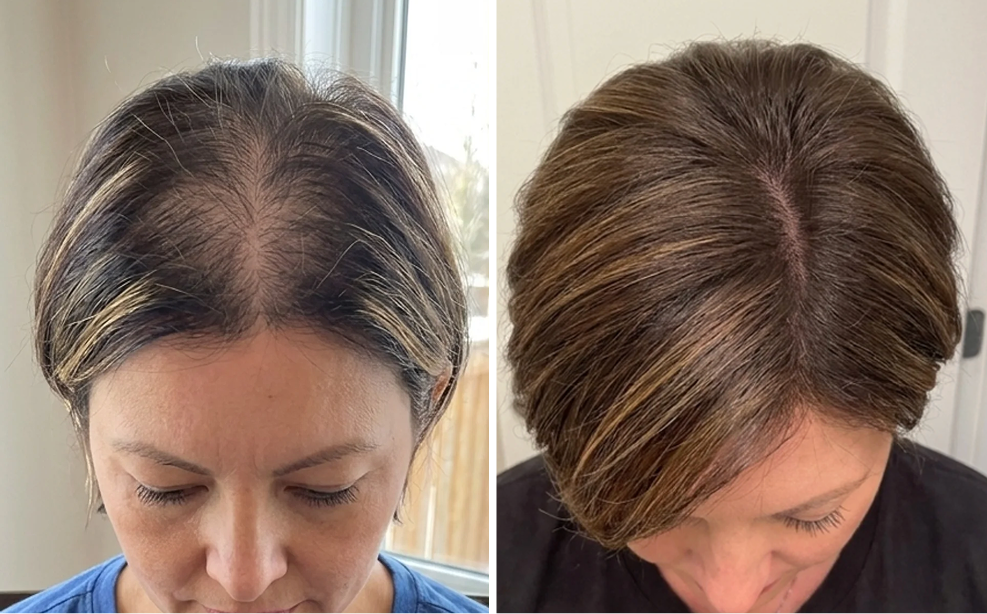
Learn when a supplement for hair regrowth can help, which ingredients matter, realistic timelines, and how options like The Root Co., Nutrafol, and Viviscal compare.
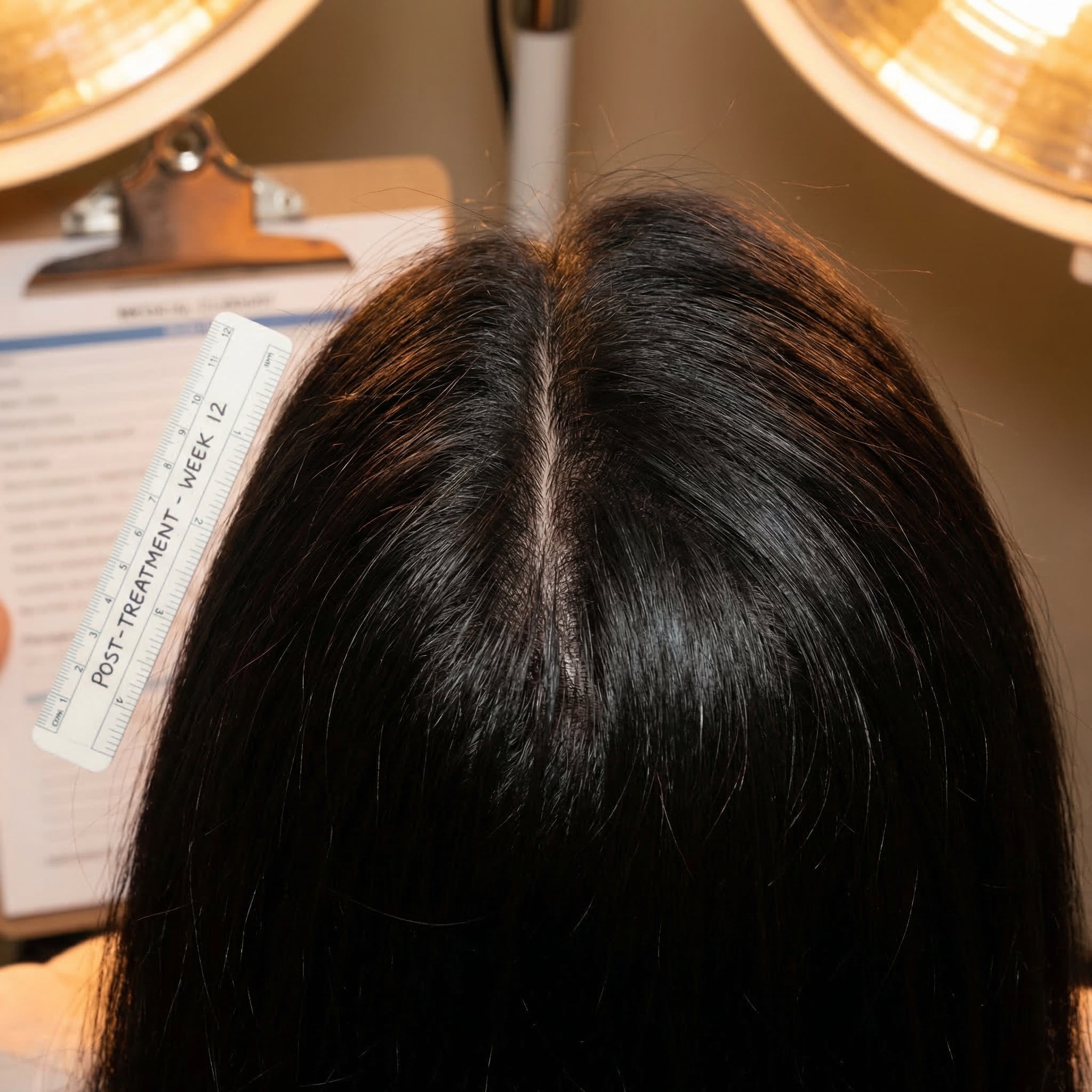
Learn how scalp health and hair growth are connected, what causes scalp issues, and the routine changes that may support stronger, fuller hair.