
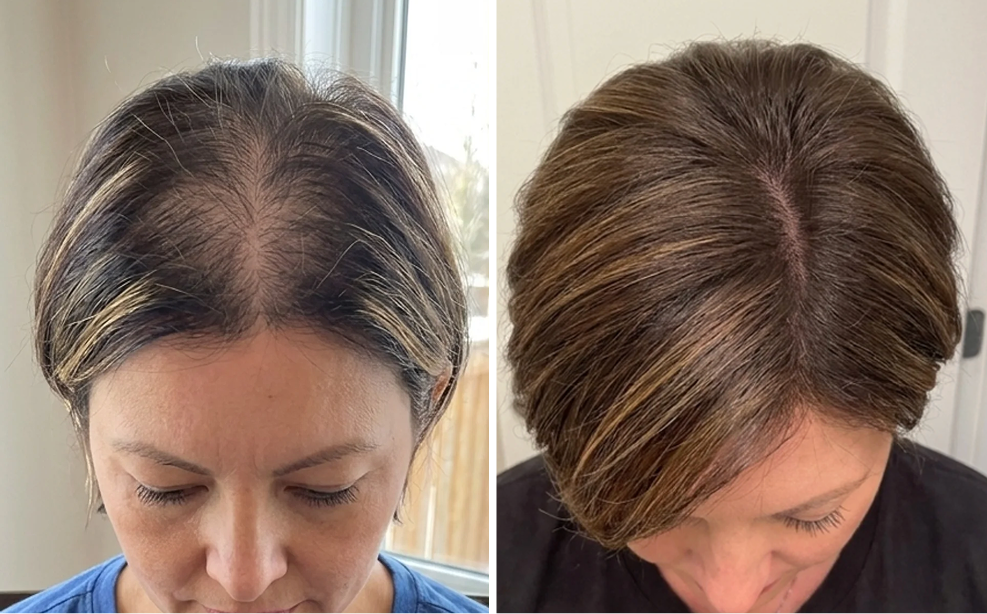
Supplement for Hair Regrowth: What Actually Helps, What to Expect, and How to Choose
A supplement for hair regrowth is an oral product meant to support the biology of hair growth, not a drug or a procedure that forces rapid change. In practice, it may help support the hair cycle, nutrient status, and follicle environment when the reason for thinning is something a supplement can actually influence.
That distinction matters. Hair loss is not one problem. Some people are dealing with telogen effluvium (TE), which is stress, illness, surgery, or postpartum-related shedding that often starts two to three months after the trigger. Others are dealing with androgenetic alopecia (AGA), also called pattern hair loss, where follicles gradually miniaturize over time. Some have nutrient-related shedding, and some have a mix of causes.
In my experience reviewing and using the major categories in this space, oral supplements help most when the follicles are still active. That usually means early to moderate thinning, increased shedding, diffuse thinning, postpartum recovery, stress-linked hair fall, or cases where vitamin or mineral gaps are part of the picture. They are much less useful for long-standing bald areas, scarring alopecia, or hair loss driven by an untreated medical condition.
The most useful framework is simple: choose the product based on why your hair is thinning, not on which bottle is most popular.
Shedding vs. thinning: why the distinction matters
Shedding means more hairs are falling out than usual. Thinning means overall density is declining over time, often because follicles are producing finer, shorter hairs with each cycle.
That difference helps you interpret what you are seeing:
- Shedding often shows up as more hair in the drain, on the pillow, on clothing, or in the brush.
- Thinning often shows up as a widening part, a thinner ponytail, more scalp visibility, or slower fill-in at the temples or crown.
- TE usually causes diffuse shedding after a trigger like illness, major stress, childbirth, weight loss, or surgery.
- AGA usually causes progressive thinning through miniaturization, often at the top, part line, temples, or crown.
- Postpartum shedding is a common form of TE linked to hormonal shifts after pregnancy.
- Nutrient-related hair fall is more likely when iron, vitamin D, zinc, protein intake, or other basics are off.
If you are searching for supplements for hair fall or supplements for hair loss in females, this is the first distinction worth making. A person with sudden shedding after illness needs a different expectation than someone with five years of gradual pattern thinning. For a deeper look at hair shedding vs hair loss and how to interpret what you are seeing, that distinction is worth understanding before choosing a product.
Who is most likely to benefit from an oral supplement
The people most likely to benefit are those whose hair follicles are under stress but not permanently inactive.
Common fit cases include:
- Postpartum recovery
- Stress-related shedding
- Perimenopausal or menopausal thinning
- Diffuse thinning
- Early female pattern hair loss
- Early male pattern thinning
- Hair shedding after illness or rapid diet change
- Low nutrient intake or lab-confirmed deficiency support
A product like The Root Co. fits most naturally in early to moderate thinning, stress-linked shedding, postpartum recovery, or hormone-related hair fall where a multi-mechanism approach makes sense. The formula is built around four drivers the brand focuses on: DHT activity, nutritional gaps, scalp inflammation, and stress damage. It is taken as 2 capsules daily, one with breakfast and one with dinner, for a 30-day supply.
Which nutrients and mechanisms matter most for hair regrowth
The best hair supplements do more than repeat the phrase "hair vitamins." They target the common reasons follicles struggle: nutrient gaps, hormonal stress, inflammation, and disrupted cycling.
The most relevant categories are:
- Vitamin D
- Zinc
- Iron, when deficiency is present
- Magnesium
- B vitamins
- Adequate protein status
- DHT-related support
- Anti-inflammatory support
This is why many people feel let down by generic hair pills. A formula built around one trendy ingredient may miss the real cause entirely.
What vitamins for hair growth and thickness can and cannot do
Vitamins for hair growth and thickness can help when there is a relevant deficiency, insufficiency, or increased demand. They cannot revive follicles that are permanently scarred or restore a hairline in a few weeks.
What they can do:
- Support normal keratin production
- Help maintain the growth phase of the hair cycle
- Support follicles stressed by low nutrient availability
- Improve the odds of stronger regrowth when shedding is triggered by a correctable internal issue
What they cannot do:
- Regrow hair on scarred follicles
- Cure alopecia areata or other autoimmune conditions
- Replace minoxidil, finasteride, or procedural care in advanced cases
- Deliver overnight density changes
That ceiling is important. A supplement can be useful and still have limits.
Why biotin-only products often underdeliver
Biotin is not useless, but it is often oversold. It tends to matter most in actual deficiency states, and true biotin deficiency is not the most common reason adults start shedding or thinning.
That is why biotin-only products often disappoint people with:
- Hormonal thinning
- DHT-driven miniaturization
- Stress-related shedding
- Inflammation-linked follicle stress
- Low vitamin D, low ferritin, or broader nutrient gaps
This is one reason The Root Co. is notable for what it does not include. It is biotin-free and instead uses a broader formula with açai berry extract, green coffee bean extract, olive leaf extract, pau d'arco extract, zinc picolinate, magnesium citrate, vitamin D3, and vitamin B5. Whether that is better for you depends on your pattern, but it is a more comprehensive design than a one-ingredient pill.
Ingredients by hair loss pattern
Different patterns point toward different kinds of support. This is the practical way I think about ingredient categories.
| Hair loss pattern | Ingredient categories that may fit | Evidence strength | Best fit for | What it will not solve |
|---|---|---|---|---|
| Stress shedding / TE | Vitamin D, zinc, magnesium, broader anti-inflammatory and stress-supportive formulas | Moderate | Diffuse shedding after stress, illness, surgery | Long-standing bald areas or scarring alopecia |
| Postpartum hair fall | Vitamin D, zinc, magnesium, B vitamins, multi-mechanism formulas | Moderate | Increased shedding 2 to 4 months after birth | Severe nutrient deficiency without proper workup |
| Female pattern thinning | DHT-related support, vitamin D, zinc, anti-inflammatory support, multi-ingredient formulas | Moderate | Widening part, diffuse top thinning, early miniaturization | Advanced long-term loss with inactive follicles |
| Male pattern thinning | DHT-related support plus nutritional support | Moderate | Early crown or frontal thinning, men not ready for finasteride | Rapid advanced recession or dense bald patches |
| Suspected nutrient-related shedding | Targeted iron, zinc, vitamin D, protein correction | Strong when deficiency is confirmed | Lab-backed deficiencies, restrictive diets | Hormonal miniaturization if nutrients are not the main issue |
How to choose a supplement for hair regrowth without falling for hype
The best way to choose a product is to evaluate the formula like a skeptic. Look at mechanism coverage, evidence quality, ingredient forms, timeline honesty, price, and whether the formula fits the likely reason for your thinning.
This is also where brand maturity matters. Nutrafol has a longer dermatologist-facing track record. Viviscal has decades of market history and is often cheaper. Vegamour has strong vegan and clean-beauty positioning. Newer brands need to earn trust differently.
How I compare hair regrowth supplements in practice
When I compare hair growth supplements in practice, I use this rubric:
- Mechanism coverage: Does it address one cause or several?
- Evidence quality: Is there a clinical reference, published data, or just marketing copy?
- Ingredient simplicity: Is the formula readable, or overloaded?
- Tolerance: Is it likely to be gentle enough for daily use?
- Convenience: How many capsules or gummies per day?
- Use-case fit: Is it better for women, men, postpartum shedding, or nutrient support?
- Timeline honesty: Does the brand speak in months, not miracles?
- Return policy: Is there any downside protection if it is a poor fit?
The Root Co. stands out here for a few specific reasons. The brand cites US Patent #11,160,750, an independent clinical reference presented to the International Society of Hair Restoration Surgeons, and a four-cause framework. It is also honest to note that the published body of evidence is newer and smaller than older competitors. The 30-day money-back guarantee helps offset that.
Supplements by use case and evidence profile
Here is the practical product landscape readers usually compare.
| Product | Best for | Formula style | Key ingredients | Price tier | Timeline expectations | Main caution |
|---|---|---|---|---|---|---|
| The Root Co. Hair Growth Vitamins | Early to moderate thinning, stress-linked shedding, postpartum or hormone-related hair fall | Multi-mechanism capsule | Açai berry, green coffee bean, olive leaf, pau d'arco, zinc, magnesium, vitamin D3, B5 | Premium | Brand cites reduced shedding by 60 days, visible regrowth by month 3 | Newer evidence base than Nutrafol or Viviscal |
| Nutrafol | Readers who want the strongest track record and broad clinician familiarity | Multi-ingredient capsule | Saw palmetto, marine collagen, vitamins, botanicals | Premium | Usually a 3- to 6-month conversation | More complex formula, higher ongoing cost |
| Viviscal | Budget-conscious readers who want a long-established option | Marine complex formula | Marine complex, vitamin C, zinc, biotin | Mid | Often 3 to 6 months | Not vegan, narrower mechanism coverage |
| Vegamour supplement line / GRO Biotin Gummies | Readers prioritizing vegan and clean-beauty positioning | Botanical or gummy-based support | Biotin and plant-based support ingredients vary by product | Mid to premium | Often slower and less targeted for advanced thinning | Some formulas are lighter on mechanism depth |
| Basic zinc or vitamin D supplement | People with a known low intake or lab-confirmed deficiency | Single-nutrient | Zinc or vitamin D only | Low | Works only if deficiency is part of the problem | Too narrow for hormonal or multi-factor thinning |
When a simpler supplement is enough, and when it probably is not
A simpler supplement is often enough when you have a known deficiency or a very specific gap. If labs show low vitamin D, low ferritin, or low zinc, a targeted correction may make more sense than paying for a premium blend.
A broader supplement is more reasonable when:
- The cause is mixed or unclear
- Shedding followed stress or illness
- There is early pattern thinning plus shedding
- Perimenopause or postpartum changes are part of the picture
- You have already tried biotin-only or basic vitamins without much change
How long does a supplement for hair regrowth take to work?
A supplement for hair regrowth usually takes months, not weeks. Reduced shedding often appears before visible regrowth, and that sequence is normal.
This is where many people quit too early. If you have already been disappointed by hair supplements, it is easy to assume nothing is happening when the first win is simply less hair in the drain.
A realistic timeline from month 1 to month 6 and beyond
Here is the timeline I consider realistic for most oral hair supplements:
| Time frame | What you may notice | What it means |
|---|---|---|
| Month 1 | Less hair on clothes, in the shower, or in the brush | Shedding may be slowing, which is often the first sign |
| Month 2 | Fine baby hairs near the part or hairline | New growth may be starting, even if density still looks similar |
| Months 3 to 4 | Narrower-looking part, better scalp coverage in photos, thicker ponytail feel | Regrowth becomes more visible |
| Months 5 to 6 | Improved fullness, better length retention, fewer sparse areas | The change is becoming easier to see day to day |
| Beyond 6 months | Gradual density improvement continues if follicles remain active | Best window for reassessing whether the approach is worth continuing |
The Root Co.'s brand-referenced timeline fits this general pattern. The brand reports 93% reduced shedding within 60 days, 88% visible regrowth by month 3, and a 30% improvement in hair width and thickness by month 6 in its clinical reference. Those are brand-cited outcomes, not guarantees for every user.
What can slow or limit results
Several things make results slower or less dramatic:
- Advanced follicle miniaturization
- Untreated thyroid or iron issues
- Ongoing high stress
- Medication-related hair loss
- Inconsistent daily use
- Expecting a supplement to fill in long-bald areas
If nothing has changed by month 3 to 4, especially in shedding, it is worth reassessing. That may mean checking labs, changing approach, or seeing a dermatologist.
Who should be cautious, what supplements cannot do, and when to see a dermatologist
Supplements can support hair health in the right context, but they do not diagnose medical causes. They also do not replace prescription treatments or procedures when those are more appropriate.
This matters for real edge cases: postpartum use, menopause, autoimmune conditions, medication-related hair loss, sudden heavy shedding, patchy loss, or men weighing supplements against finasteride or minoxidil.
What a supplement for hair regrowth cannot do
No supplement for hair regrowth can:
- Deliver overnight regrowth
- Cure alopecia areata
- Replace a medical workup for sudden or patchy hair loss
- Restore follicles that are permanently lost or scarred
- Act like finasteride, minoxidil, PRP, or transplant surgery in advanced cases
If your hair loss is patchy, painful, rapidly progressive, or associated with scalp burning or scaling, that is not a "try another vitamin" situation.
When supplements make sense alongside other treatments
Supplements often make the most sense as part of a broader plan. They can sit alongside:
- Minoxidil for people using a topical growth stimulant
- Lifestyle changes that reduce stress load
- Diet correction when protein or nutrient intake is low
- Medical evaluation for thyroid, ferritin, vitamin D, B12, or hormones
- Prescription options for people with more established AGA
For men and women with early pattern thinning, an oral supplement may be a reasonable starting point or companion strategy. For advanced thinning, it may be more of a supportive layer than the main driver of change.
If you are pregnant, nursing, taking prescription medication, or experiencing sudden or significant hair loss, consult your healthcare provider before adding a new supplement to your routine. Sudden hair loss can sometimes be a sign of an underlying condition worth investigating.
These statements have not been evaluated by the Food and Drug Administration. This product is not intended to diagnose, treat, cure, or prevent any disease.
FAQ
Do supplements for hair regrowth actually work?
They can, but only when the cause of thinning is something a supplement can influence. They tend to work best for increased shedding, early thinning, postpartum recovery, stress-related hair fall, and nutrient-related support. They are less effective for scarring alopecia or long-standing bald areas.
What is the best supplement for hair regrowth in women?
There is no single best option for every woman. A broader formula like The Root Co. may fit women with early to moderate thinning, stress-linked shedding, postpartum hair loss, or hormone-related hair fall. Nutrafol may fit readers who want the strongest long-term track record. Viviscal may fit readers who want a more established, often lower-cost option.
How long does a supplement for hair regrowth take to show results?
Most people need at least 2 to 3 months to judge early progress, and 3 to 6 months for visible density change. Reduced shedding usually shows up before visible regrowth.
Are vitamins for hair growth and thickness better than biotin alone?
Usually, yes. Biotin alone is mainly useful when deficiency is the issue. Broader formulas are often more relevant when hair loss is tied to DHT, stress, inflammation, or multiple nutrient gaps.
What supplements for hair fall make sense if shedding started after stress or illness?
A broader formula with vitamin D, zinc, magnesium, B vitamins, and anti-inflammatory support often makes more sense than a biotin-only product. Stress- or illness-triggered shedding is often TE, which reflects a disrupted hair cycle rather than a single missing nutrient.
When should I see a dermatologist instead of trying another hair growth supplement?
See a dermatologist if the hair loss is patchy, sudden, painful, scarring, rapidly worsening, or associated with symptoms that suggest thyroid, iron, hormonal, or autoimmune issues. Also get evaluated if you have tried a supplement consistently for several months with no change in shedding or density.
Read more
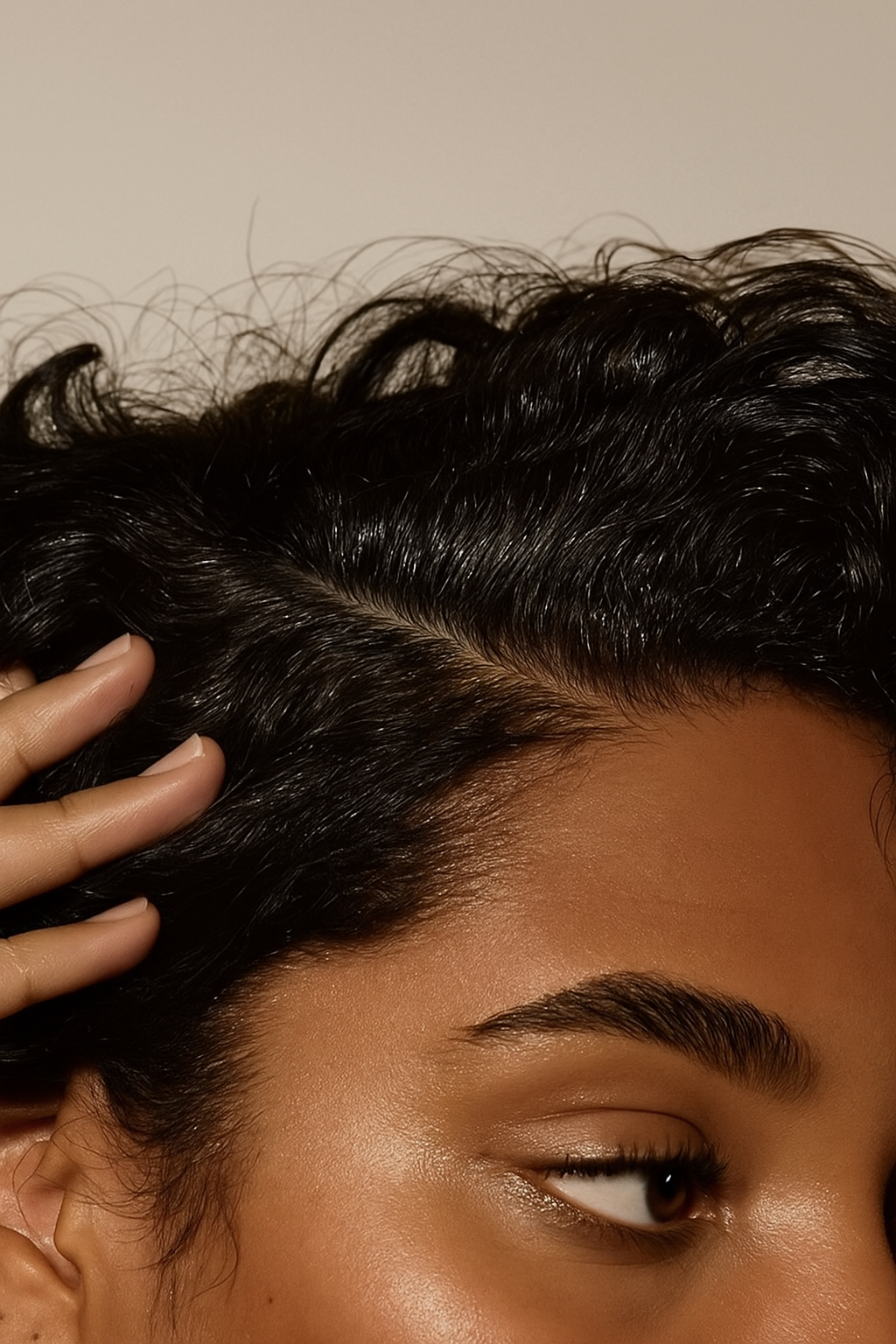
Learn the difference between hair shedding vs hair loss, what is normal, when to worry, and which next steps make sense for women and men.
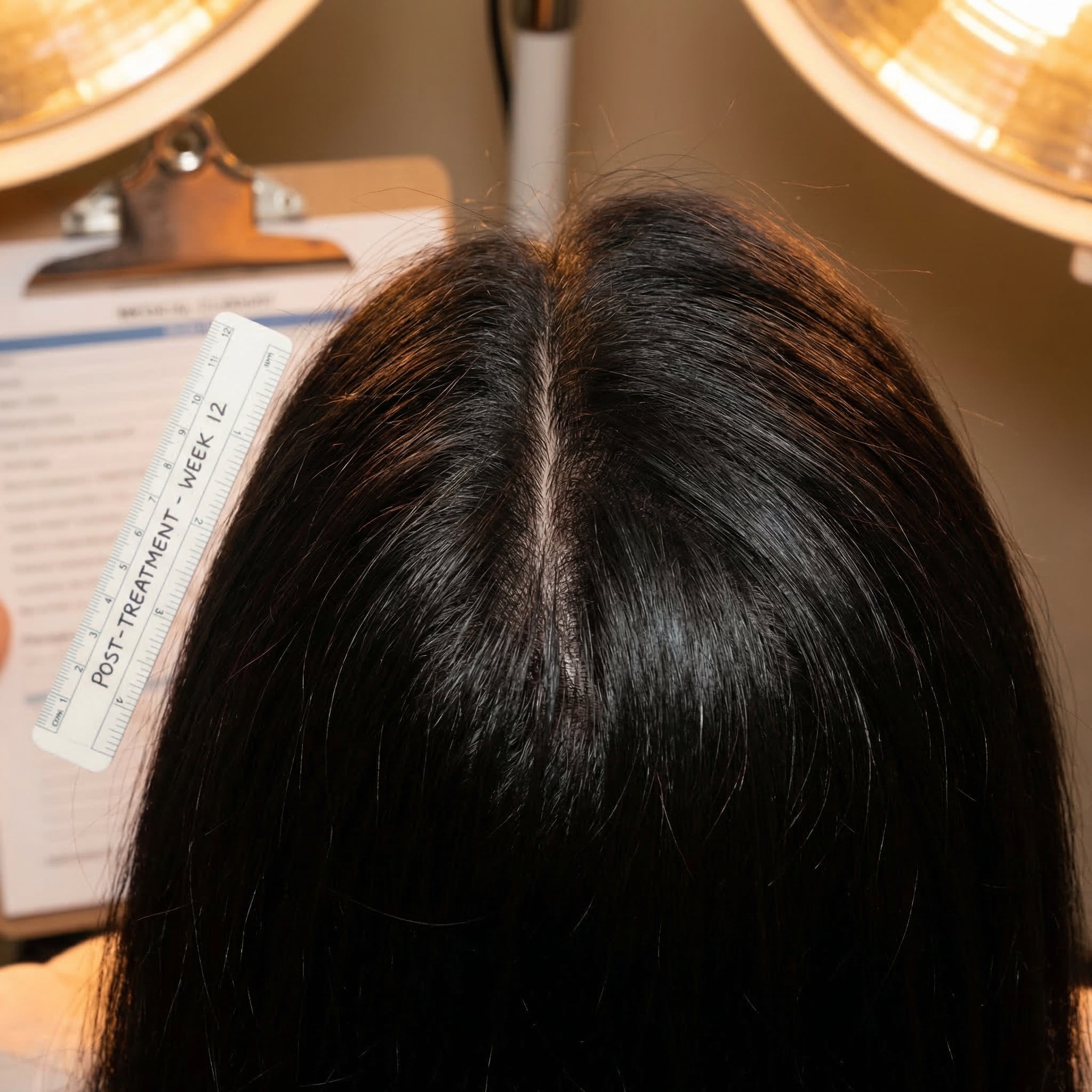
Learn how scalp health and hair growth are connected, what causes scalp issues, and the routine changes that may support stronger, fuller hair.