

Finasteride vs Minoxidil

What changed · October 6, 2026
- Added results from the original finasteride and minoxidil trials, with links to each study.
- Added what a phase III trial found for women using once-daily 5% minoxidil foam.
- Rebuilt the effectiveness table with dosing and trial results, readable on desktop and phone.
- Updated The Root Co. formula details to match the product label.
Finasteride vs minoxidil: what is the difference?
Finasteride and minoxidil both address hair loss, but they work in different ways and fit different people. Finasteride targets DHT (dihydrotestosterone), a hormone strongly linked to pattern hair loss, while minoxidil supports follicles more directly by helping keep them in the growth phase longer.
Finasteride is a prescription medication, usually taken orally at 1 mg daily for male pattern hair loss. It lowers the conversion of testosterone to DHT. Minoxidil is a growth-support treatment that is widely available in topical forms, such as 2% and 5% solutions or foam, and is sometimes prescribed in oral form under medical supervision.
The short version: Finasteride lowers DHT to slow pattern loss (prescription, most established in men). Minoxidil supports the growth phase and is used more broadly, including by many women (over-the-counter topical). They act on different steps, so they are often combined. Both take months and need ongoing use to hold results.
This comparison applies most often to androgenetic alopecia (AGA), which is pattern hair loss driven by genetics and hormone sensitivity. It does not fit every kind of shedding. Sudden diffuse hair fall after illness, postpartum shedding, alopecia areata, or scarring hair loss need a different workup.
It also helps to set expectations early. Neither treatment works overnight, neither reliably restores follicles that have been inactive for years, and both usually need ongoing use to maintain results. The AAD hair loss overview is useful if you are still trying to determine what kind of hair loss pattern you have.
What finasteride does
Finasteride reduces the conversion of testosterone into DHT. In androgenetic alopecia, DHT binds to follicle receptors and contributes to miniaturization, which means follicles gradually produce thinner, shorter hairs over time.
That makes finasteride more of a progression-slowing treatment than a simple growth booster. Its main strength is protecting vulnerable follicles from ongoing DHT-related shrinkage.
What minoxidil does
Minoxidil helps prolong the anagen phase, which is the active growth phase of the hair cycle. It can support follicle activity and improve visible density in some users, but it does not directly block DHT.
That difference matters. If DHT is the main reason the follicle is shrinking, minoxidil may help stimulate output, but it does not address the hormonal driver in the same way finasteride does.
Who this comparison is actually for
This comparison is most useful for people with gradual crown thinning, temple recession, or widening-part hair loss. Those patterns fit classic androgenetic alopecia more than they fit temporary shedding.
If your hair loss is sudden, patchy, painful, inflamed, or scar-like, self-treating with finasteride or minoxidil is not the best first move. Those patterns deserve medical evaluation first.

The Root Co. Hair Vitamin
Daily support for fuller-looking hair
Biotin-free and vegan. Just 2 capsules a day.
$49.90/month with subscription 90-day money-back guarantee
How effective are finasteride and minoxidil for hair loss?
Finasteride is often better at slowing further DHT-driven loss, while minoxidil is often used more broadly to support regrowth and maintenance. The better choice depends on the goal: preserving what you still have, encouraging thicker visible growth, or doing both.
Effectiveness is also tied to timing. Hair that has been miniaturizing for a shorter period is generally easier to support than follicles that have been dormant for many years. Consistency matters too. A strong treatment used irregularly usually underperforms a decent treatment used steadily.
The trial numbers back this up. In two pivotal trials of 1,553 men aged 18 to 41, finasteride 1 mg a day added about 107 hairs at one year and 138 at two years in a one-inch circle of the crown, compared with placebo, while men on placebo kept losing hair. For topical minoxidil, a 48-week trial of 393 men found the 5% solution produced 45% more regrowth than the 2% solution and worked sooner, with more itching and irritation as the trade-off.
| Treatment | How it is used | What it is strongest at | Main limitation |
|---|---|---|---|
| Finasteride | 1 mg tablet a day, prescription | Slowing DHT-driven loss; about 138 more crown hairs than placebo at 2 years in trials | Prescription only, side effects need a clinician conversation, not usually first-line for women |
| Minoxidil | 2% or 5% topical solution or foam; oral only under supervision | Visible regrowth; 5% gave 45% more regrowth than 2% in men | Does not block DHT, can cause an early shed, needs daily use |
| Both together | Finasteride tablet plus topical minoxidil | Preserving existing hair and regrowing at the same time | More routine to keep up, not needed in every case |
Finasteride vs minoxidil for men
For men with male pattern hair loss, finasteride is commonly used because DHT is such a central driver of miniaturization. It may help preserve existing hair, especially when started before thinning becomes advanced.
Minoxidil still adds value for many men, especially at the crown, where visible thickening may be easier to notice. In real-world treatment plans, finasteride vs minoxidil for men is often less about which one is universally better and more about whether the goal is preservation, stimulation, or both.
Can women use finasteride or minoxidil?
Topical minoxidil is commonly used in women with pattern thinning. Finasteride use in women is more limited and should be physician-guided, especially because of pregnancy-related safety concerns.
For women, the format matters less than sticking with it. In a 24-week phase III trial, once-daily 5% minoxidil foam and twice-daily 2% solution produced almost the same regrowth, about 24 more hairs per square centimeter in the target area, so many women choose the once-a-day foam for convenience.
That is one reason minoxidil is often the more practical first discussion for women with androgenetic alopecia. If pregnancy is possible, this needs careful review with a clinician before considering finasteride at all. The Mayo Clinic minoxidil monograph gives a solid overview of topical use and common precautions.
Can finasteride and minoxidil work better together?
Yes, combination therapy is common because the two treatments target different parts of the hair-loss process. Finasteride reduces DHT pressure, while minoxidil helps support active growth.
That does not mean both are always necessary. Some people do well with one. Others benefit from the combined approach, especially in early to moderate androgenetic alopecia where preserving and stimulating follicles are both priorities.
Finasteride vs minoxidil side effects: what should you realistically expect?
Side effects are often the deciding factor, and the topic deserves a calm, practical answer. Most people are not choosing between safe and dangerous. They are choosing between different tradeoffs.
Finasteride side effects that people worry about most include:
- sexual side effects such as reduced libido or erectile difficulty
- mood changes or mood-related concerns
- breast tenderness or enlargement
- fertility questions in some patients
Minoxidil side effects are more often local or cosmetic:
- scalp irritation
- dryness or flaking
- unwanted facial hair growth from transfer or systemic effect
- an early shedding phase
Serious symptoms, persistent side effects, chest symptoms, swelling, severe mood changes, or anything that feels clearly abnormal are reasons to stop self-managing and contact a clinician. For prescription details and adverse-effect language, the finasteride drug monograph is a better guide than forum speculation.
It is also worth addressing the forum question directly. People look at threads because they want lived experience and practical questions answered. That is understandable. Forums can be useful for knowing what to ask, but they are not reliable for establishing true risk rates.
Why early shedding can happen with minoxidil
Minoxidil can trigger a temporary shed early on because follicles may shift phases as the treatment starts affecting the cycle. That does not automatically mean the product is failing.
This early shed is one reason people quit too early. If shedding is severe, prolonged, or paired with other concerning symptoms, check with a clinician. But a short-term adjustment phase can happen.
What to discuss with a clinician before starting finasteride
Before starting finasteride, it makes sense to discuss:
- sexual health concerns
- mood history
- fertility plans
- other medications
- whether your hair loss pattern truly looks like androgenetic alopecia
This is especially important because finasteride is not just a cosmetic decision. It is a prescription medication, and the right risk-benefit balance is individualized.
When side effects are a reason to consider alternatives
If side-effect concerns feel like too much of a barrier, alternatives may make more sense. That could mean topical minoxidil instead of finasteride, a broader non-prescription routine, or a dermatologist-guided plan that matches the actual cause more precisely.
A supplement is not equivalent to prescription therapy for advanced pattern loss, but some readers want daily nutritional support alongside or before a prescription. For them, a systemic option like The Root Co. Hair Growth Vitamins may be worth considering as a separate lane. It pairs 15 mg of zinc with a patented botanical blend in 2 biotin-free capsules a day, and it is best framed as supportive care rather than as a direct substitute for finasteride.
How do you choose between finasteride, minoxidil, or both?
The best choice depends on sex, hair-loss pattern, risk tolerance, route preference, and willingness to stay consistent long term. It is not just a question of which treatment is stronger on paper.
Some practical differences matter more than comparison charts admit:
- Finasteride is prescription-only
- Topical minoxidil is over the counter
- finasteride is commonly oral
- minoxidil may be topical or, in some cases, oral under supervision
- both require ongoing use to maintain benefit
- neither is the right first move for every kind of shedding
For readers searching finasteride vs minoxidil oral, the key distinction is this: oral finasteride is an established prescription therapy for male pattern hair loss, while oral minoxidil is an off-label option that can be used in select cases under medical supervision. Oral minoxidil is not a casual upgrade from topical minoxidil. It changes the risk discussion.
Choose finasteride if your main goal is slowing DHT-driven progression
Finasteride often fits the adult male with ongoing pattern thinning who wants to slow the process at the hormonal level. It is usually a better fit if you are comfortable using a prescription medication and you understand the side-effect discussion.
This is especially true when preservation is the priority. If the main goal is keeping vulnerable hair from continuing to miniaturize, finasteride is often central to that strategy.
Choose minoxidil if you want a broader, non-DHT route
Minoxidil often fits the person who wants a non-hormonal route, may be female, or prefers to start with an over-the-counter topical option. It is also reasonable for readers who are not ready for a prescription discussion.
It does require consistency. A topical routine is simple in theory, but some people struggle with daily adherence, texture, or scalp irritation.
Consider both if your clinician agrees a combined approach fits
A combined approach may make sense when androgenetic alopecia is caught early enough that both preservation and stimulation are realistic goals. That is where finasteride and minoxidil can complement one another rather than compete.
Consider a systemic supplement approach in a different scenario
Not every reader needs a prescription-first path. Some want simple daily support from the inside while they decide, or alongside a topical they already use.
That is where a formula like The Root Co. can enter the conversation. It pairs 15 mg of zinc, magnesium and vitamin B5 with Phyllotex, a patented blend of 4 plant extracts, and our guide to nutritional gaps covers what the basics can and cannot do. It is worth considering if your situation sounds mixed rather than purely classic male pattern loss. If your loss is sudden, patchy, or medically complicated, get a diagnosis first.
How long do finasteride and minoxidil take to work, and what are their limits?
Finasteride and minoxidil usually take several months to show meaningful results. Early success often looks like slower shedding or slower progression before obvious thickening shows up.
| Time window | What you may notice | What not to expect yet |
|---|---|---|
| 1 to 3 months | Less shedding, slower progression, possible minoxidil adjustment shed | Major cosmetic regrowth |
| 3 to 6 months | Early thickening, better density in responsive areas, more stable loss pattern | Full reversal of long-standing thinning |
| 6 to 12 months | A clear sense of whether the treatment is working for you | Recovery of scarred or long-inactive follicles |
Both treatments have limits. They do not reliably regrow hair from scarred follicles, diagnose the cause of sudden shedding, or create permanent results after a short course. If pattern loss has progressed for many years, the ceiling is lower.
What happens if you stop finasteride or minoxidil?
If you stop finasteride or minoxidil, the benefits are generally maintained only temporarily. The underlying pattern process usually resumes when treatment is withdrawn.
That is important for decision-making. These are management tools, not one-time fixes.
When to see a dermatologist instead of self-treating
See a dermatologist instead of self-treating if you have:
- sudden heavy shedding
- patchy hair loss
- scalp pain, burning, or visible inflammation
- signs of scarring
- postpartum shedding that feels extreme or prolonged
- hair loss after a medication change
- symptoms that could suggest thyroid or iron issues
Those patterns do not automatically mean something serious is happening, but they do mean the finasteride vs minoxidil comparison may not be the right first framework.
If you are pregnant, nursing, taking prescription medication, or experiencing sudden or significant hair loss, consult your healthcare provider before adding a new treatment or supplement. Sudden hair loss can sometimes be a sign of an underlying condition worth investigating.
Daily support for fuller-looking hair
Just 2 capsules a day. Biotin-free and vegan.
In our 9-month study of 38 adults, hair count in thinning areas rose to about 2.6x the starting level. Single group, no placebo. See the study
90-day money-back guarantee · Cancel anytime
FAQ
Is finasteride or minoxidil better for hair loss?
It depends on the goal. Finasteride is often better for slowing DHT-driven progression, especially in men with androgenetic alopecia. Minoxidil is often better known for supporting visible regrowth and can be used more broadly, including by many women.
Can I use finasteride and minoxidil together?
Yes. Many clinicians use them together because they target different parts of the hair-loss process. Finasteride lowers DHT pressure, while minoxidil supports the growth phase.
What are the main finasteride vs minoxidil side effects?
Finasteride concerns usually center on sexual side effects, mood concerns, breast tenderness, and the need for prescription oversight. Minoxidil side effects more often include scalp irritation, dryness, unwanted facial hair, and a temporary early shedding phase.
How long does it take to see results from finasteride or minoxidil?
Most people need 3 to 6 months to judge early response and 6 to 12 months to judge fuller results. Hair treatments move on a biological timeline, not a two-week cosmetic one.
What happens if I stop minoxidil or finasteride?
In most cases, the benefit fades after stopping. The underlying hair-loss process usually resumes, which is why these treatments are typically ongoing rather than short-term.
Is oral minoxidil better than finasteride?
Not necessarily. Oral finasteride is an established prescription treatment for male pattern hair loss. Oral minoxidil is an off-label option that can help in selected cases, but it requires medical supervision and is not automatically better. The better choice depends on diagnosis, sex, treatment goals, and risk tolerance.
These statements have not been evaluated by the Food and Drug Administration. This product is not intended to diagnose, treat, cure, or prevent any disease. This article is educational and not a substitute for personalized medical advice.
Read more
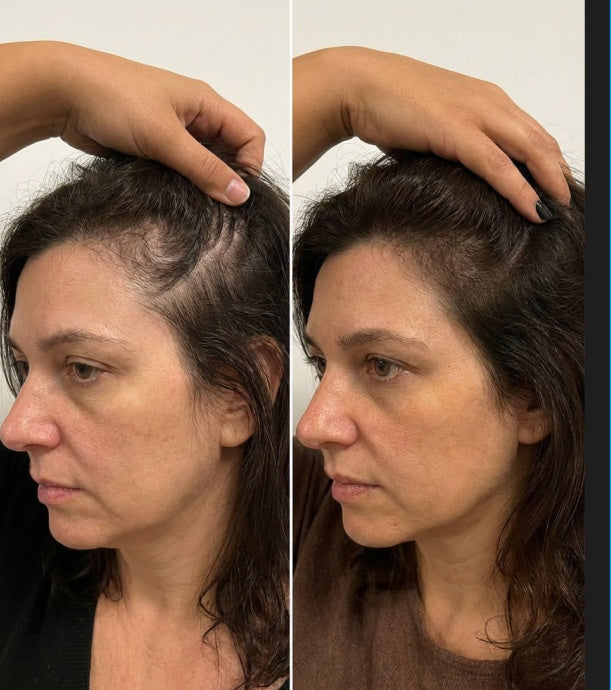
Compare Viviscal vs Nutrafol vs The Root Co on ingredients, evidence, cost, timelines, and best use cases with realistic, science-aware guidance.
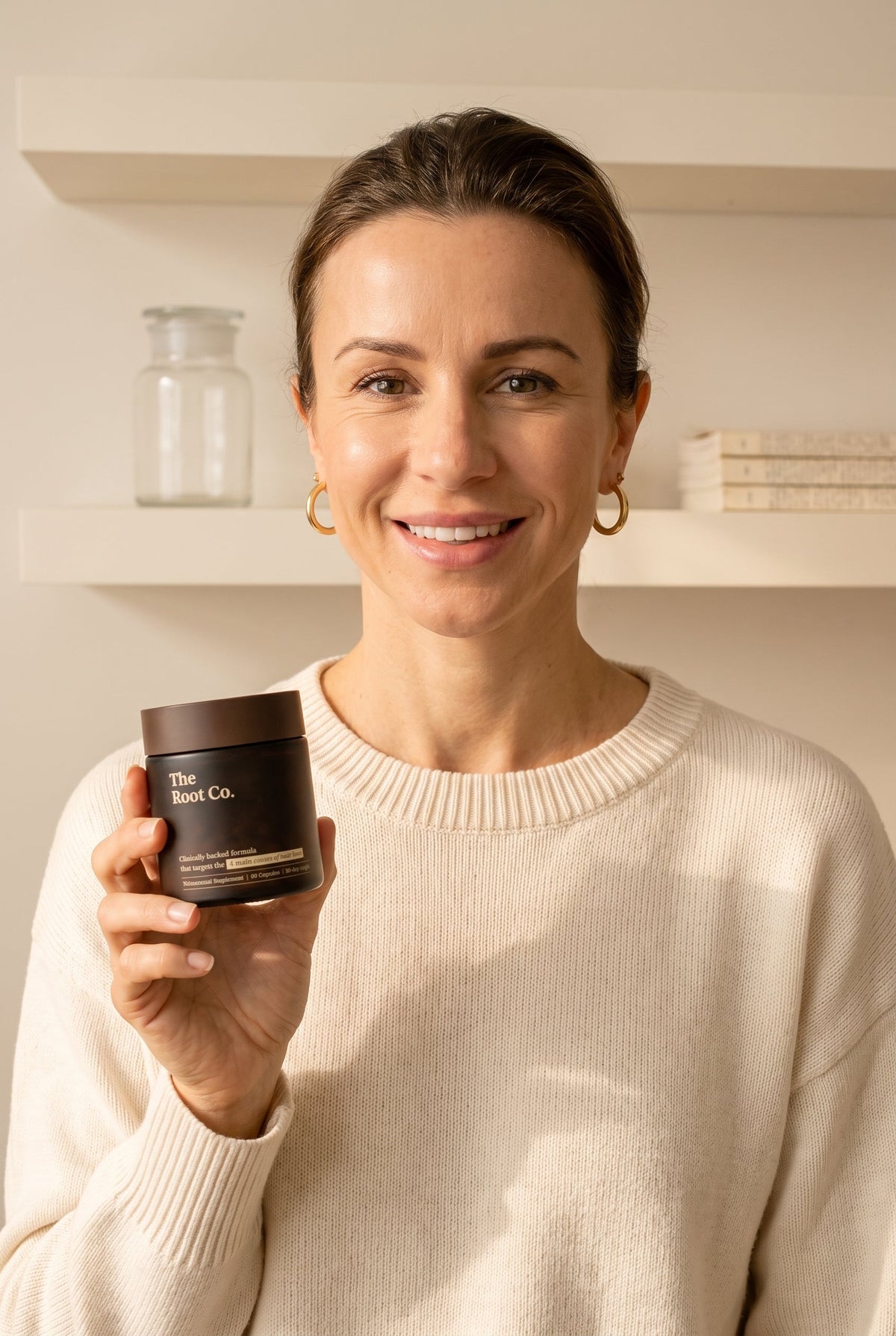
Compare the best hair growth pills for thinning, shedding, ingredients, DHT support, timelines, pricing, and realistic results before you buy.