

How Much Hair Shedding Is Normal? A Clear Daily Baseline and When to Worry
How much hair shedding is normal in a day?
Most people shed about 50 to 100 hairs per day, and that is considered a normal part of the hair cycle. That range is a baseline, not a hard rule, because what you notice depends on how often you wash, how long your hair is, how dense it is, and how you style it.
A normal shed hair is one that has finished its growth cycle and is naturally released from the follicle. According to the AAD hair loss overview, seeing some hair in your brush, on your pillow, or in the shower is expected. What often causes panic is not the number itself, but how visible those hairs become once they collect in one place.
Long strands look dramatic. Dark clothing makes every strand stand out. A wash day after two or three days without shampooing can release several days' worth of shed hairs at once. That can look like "too much" even when your overall daily shedding is still in a typical range.
What does 100 hairs look like?
One hundred hairs is usually less dramatic than people imagine, but more visible than a few loose strands. In real life, it often looks like a small loose clump in the shower, a modest ball pulled from a brush, or scattered strands on a bathroom floor rather than a giant handful.
A few ways to judge it more realistically:
- Short hair: 100 short hairs may look like surprisingly little volume.
- Long hair: 100 long hairs can look like a much bigger clump because each strand takes up more visual space.
- Thick or dense hair: the same amount of shedding may feel minor because your overall volume still looks stable.
- Fine hair: even normal shedding may feel more alarming because density changes are easier to notice.
This is why counting strands is rarely the most helpful approach. The better question is whether your shedding looks clearly different from your own usual baseline.
Is normal hair loss per day different for men and women?
The general daily shedding range is similar for men and women, but what they notice can look very different. Hair biology overlaps, yet hair length, density, hormones, and grooming habits change how shedding shows up.
Women often notice shedding more because:
- hair is usually longer, so the strands are easier to see
- brushing, washing, and styling create visible collection points
- postpartum and perimenopausal hormone shifts can temporarily increase shedding
Men may notice daily shedding less, but they may notice pattern changes sooner, such as thinning at the temples or crown. In other words, the amount shed may be similar, but the presentation often differs.
Hair shedding vs hair loss: what is the difference?
Hair shedding means hairs are naturally falling out at the end of their cycle. Hair loss means overall density is dropping over time, often because regrowth is reduced or follicles are becoming smaller. Those are related, but they are not the same thing.
Shedding is about hairs leaving. Hair loss is about the balance between hairs leaving and hairs returning. If you are shedding normally and regrowing normally, density stays about the same. If shedding rises sharply, or regrowth slows, or follicles begin to miniaturize, hair starts to look thinner.
Useful clues that suggest true thinning rather than normal shedding include:
- a widening part
- a smaller ponytail circumference
- visible scalp in bright light
- temple recession
- reduced fullness at the crown
- fewer short regrowth hairs over time
It also helps to separate breakage from shedding. A shed hair usually has the full strand attached from root to end. Breakage happens when the hair shaft snaps from heat, tension, bleaching, or dryness. Breakage can make hair feel thinner and rougher without reflecting what is happening at the follicle itself.
Why the hair cycle matters
Some daily shedding is biologically expected because every follicle moves through a repeating cycle. The four main phases are growth, transition, rest, and release.
| Phase | What happens | Why it matters |
|---|---|---|
| Anagen | The hair actively grows | This is the longest phase |
| Catagen | Growth slows and the follicle transitions | A brief reset period |
| Telogen | The hair rests in the follicle | Resting hairs are preparing to shed |
| Exogen | The hair is released and falls out | This is the shedding phase people notice |
A normal scalp has hairs in different phases at the same time. That is why some shedding happens every day without meaning something is wrong.
Signs you may be seeing more than normal shedding
Shedding may be above your normal baseline if it stays elevated for more than several weeks or comes with visible thinning. A few isolated heavy wash days are not the same as ongoing increased loss.
Pay closer attention if you notice:
- a clear increase in shedding lasting more than 4 to 6 weeks
- thinning that is visible in photos
- patchy areas or round bald spots
- a suddenly wider part
- reduced regrowth along the hairline
- much more hair on the pillow, in the drain, and in the brush every day, not just on wash day
Why hair shedding may look worse in the shower, on wash day, or after brushing
Hair shedding often looks worst in the shower because you are seeing accumulated shed hairs released all at once. That is especially common if you do not wash daily or if your hair texture tends to hold loose strands until wash day.
Searches for "normal hair loss in shower" are common for a reason. The visual can be startling. But wash-day shedding is not always a sign of abnormal loss. If you shampoo every three days, some hairs that would have fallen one by one may stay caught in the hair until water, conditioner, and detangling release them together.
This effect is often stronger with:
- curly or coily hair
- long hair
- dense hair
- protective styles
- infrequent washing
- brushed-out styles after several days of minimal manipulation
Normal wash-day release is different from sudden dramatic shedding that continues every day, including between washes.
Is it normal to lose more hair on wash day?
Yes, it is normal to lose more hair on wash day because hairs that would have shed gradually are often released together during washing and detangling. That does not automatically mean you are losing too much overall.
What matters is the pattern:
- More shedding mainly on wash day: often normal
- Heavy shedding on wash day plus every other day: worth monitoring
- Heavy shedding with visible thinning: more concerning
How hair type and styling habits change what you notice
Hair type changes what shedding looks like, not just how much you have. Articles that ignore this can make normal shedding sound abnormal for anyone outside a straight-hair default.
Here is how different hair types may experience it:
| Hair type or habit | What you may notice | Why it can look worse |
|---|---|---|
| Straight hair | Loose strands on clothes, sink, pillow | Shed hairs slip free easily |
| Curly or textured hair | More hair released during washing | Loose hairs stay trapped in the pattern |
| Relaxed or heat-styled hair | Both shedding and breakage | Damage can add broken hairs to the visual total |
| Long hair | Larger-looking clumps | Length makes each strand look more dramatic |
| Protective styles | Bigger release after takedown | Shed hairs accumulate before removal |
When is hair shedding a reason to pay attention?
Hair shedding becomes more worth investigating when it is clearly above your usual baseline for more than 4 to 6 weeks or when it comes with visible thinning. Timing matters too, because many triggers show up later than people expect.
One of the most common patterns is telogen effluvium (TE), a form of diffuse shedding that often appears 2 to 3 months after a trigger. That trigger might be easy to miss by the time the hair starts falling.
Common triggers include:
- major stress
- illness or fever
- postpartum hormonal shifts
- surgery
- crash dieting or rapid weight loss
- medication changes
- thyroid dysfunction
- low iron or other nutritional gaps
The AAD telogen effluvium guidance notes that this delayed timing is typical. That delay is why many people say, "I have no idea what caused this," when the answer may be something that happened months earlier.
When should you see a dermatologist or healthcare provider?
You should get medical advice sooner if shedding is sudden, severe, patchy, or paired with other symptoms. A baseline article can help you judge what is typical, but some patterns deserve prompt evaluation.
See a dermatologist or healthcare provider if you notice:
- sudden or severe shedding
- bald patches
- scalp pain, burning, or visible inflammation
- eyebrow or eyelash loss
- hair loss with fatigue, weight changes, or menstrual changes
- signs of possible deficiency or thyroid issues
- thinning that keeps progressing over several months
A clinician may suggest blood work or a scalp exam depending on the pattern.
What an article like this cannot do
A guide like this can help you compare normal shedding with concerning shedding, but it cannot diagnose the cause. It cannot tell you whether you have telogen effluvium, androgenetic alopecia (AGA, pattern hair loss), alopecia areata, thyroid-related loss, or a nutritional deficiency.
That distinction matters because the right next step depends on the cause. A supplement, a topical, a prescription, and a medical workup all solve different problems.
What to do if your shedding feels higher than normal
If your shedding feels elevated, the next step is not to panic-count every strand. It is to track the pattern calmly for a few weeks and look for clues about cause. That gives you a much clearer picture than one upsetting shower.
Useful next steps include:
- track changes for 2 to 4 weeks
- note any illness, stress, surgery, or hormonal shift in the previous 2 to 3 months
- review whether breakage from heat or tension may be adding to the problem
- compare your part, hairline, and ponytail thickness over time
- consider medical evaluation if the increase is obvious or persistent
Supportive steps depend on what is driving the shedding. For some people that means gentler styling or correcting a nutritional issue. For others it means medical evaluation. For early to moderate thinning or ongoing systemic shedding, a multi-target supplement may be worth considering.
The Root Co. Hair Growth Vitamins are designed around four contributors the brand highlights: DHT (dihydrotestosterone), nutritional gaps, scalp inflammation, and stress-related hair cycle disruption. The formula includes 2 capsules daily in a 30-day supply and is positioned for adults dealing with thinning or shedding who want an oral supplement rather than a topical. The brand also cites US Patent #11,160,750 and reported study outcomes such as 93% reduced shedding within 60 days in its referenced clinical materials. You can review The Root Co. Hair Growth Vitamins if that kind of systemic approach fits your situation.
Consider it if:
- your shedding has been ongoing rather than purely cosmetic
- you suspect stress, nutrition, hormonal shifts, or inflammation may be involved
- you are willing to give a supplement 3 to 6 months to show its full effect
Consider something else first if:
- your loss is sudden or patchy
- you have scalp pain or signs of inflammation
- you have advanced pattern hair loss
- you may need diagnosis, blood work, or prescription treatment
If you are pregnant, nursing, taking prescription medication, or experiencing sudden or significant hair loss, consult your healthcare provider before adding a new supplement to your routine. Sudden hair loss can sometimes reflect an underlying issue worth investigating.
These statements have not been evaluated by the Food and Drug Administration. This product is not intended to diagnose, treat, cure, or prevent any disease.
How to track shedding without obsessing over every strand
The best way to track shedding is to monitor patterns, not individual hairs. Counting every strand usually increases stress without making the picture clearer.
More useful markers include:
- how much hair you remove from the shower drain each wash day
- how much accumulates in your brush over a week
- whether your ponytail feels thinner
- whether your part looks wider in consistent lighting
- monthly photos from the same angle and distance
If the trend is stable, you are probably closer to your normal baseline than you think. If the trend is clearly worsening, that is more informative than any one-day strand count.
FAQ
How much hair shedding is normal in the shower?
Some shedding in the shower is normal, and it often looks like more than it is. If you wash infrequently, several days of shed hairs may come out during one wash. Concern rises when heavy shower shedding is happening every day as well, or when it comes with visible thinning.
What does 100 hairs look like in real life?
One hundred hairs usually looks like a small loose clump, not an entire handful. With long hair, it can look dramatic because each strand takes up more visual space. With short hair, the same number may look surprisingly small.
How can I tell the difference between normal shedding and hair loss?
Normal shedding means hairs are falling as part of the cycle, but your overall density stays fairly stable. Hair loss means density is dropping over time. Signs of hair loss include a widening part, smaller ponytail circumference, temple recession, visible scalp, patchiness, or reduced regrowth. If you are unsure, track the pattern for a few weeks and seek medical advice if it continues.
Read more
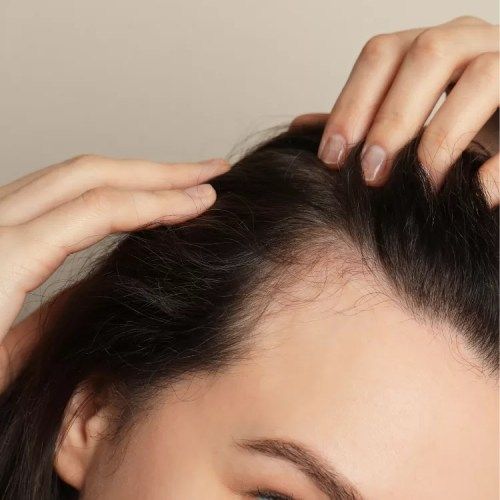
Is your shedding normal? Explore the 4 hair growth cycle phases, how long each lasts and the signs your hair loss needs a closer look.
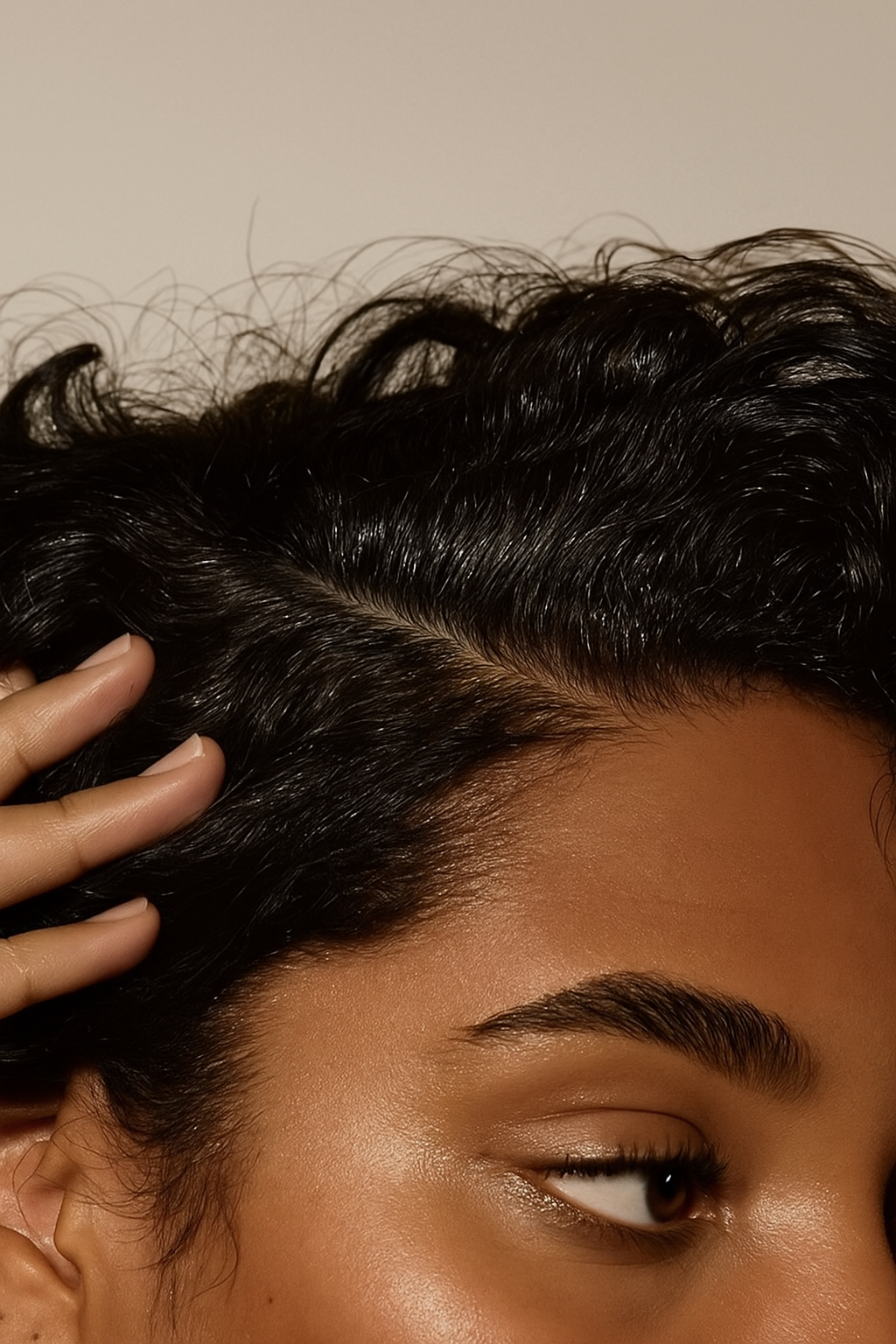
Learn the difference between hair shedding vs hair loss, what is normal, when to worry, and which next steps make sense for women and men.