

Best Hair Growth Products for Women

What changed · October 5, 2026
- Updated The Root Co. formula details to match the product label.
- Added results from our 9-month study of 38 adults.
- Corrected The Root Co. capsule details: vegan and biotin-free.
- Redesigned the comparison tables for easier reading on a phone.
How to choose the right product
The best hair growth products for women are not all trying to do the same job. Some reduce shedding, some create the look of fuller hair immediately, and some aim to support actual regrowth over several months.
That distinction matters because the category is crowded and often overpromising. If your issue is postpartum shedding, the best option may not be the same one you would choose for a widening part, menopause-related thinning, or hair that is mostly breaking rather than falling from the root.
A more useful way to shop is to match the product type to the reason your hair is thinning:
- Shedding means more hairs are falling out than usual
- Breakage means strands are snapping along the shaft
- Pattern thinning means density is slowly decreasing over time, often at the part or crown
- Cosmetic thickening means making existing hair look fuller right away
- Regrowth means supporting follicles through a longer cycle so more visible hair can return
This article starts with that framework on purpose. Before recommending products, it helps to know what outcome you are actually shopping for.
What counts as a hair growth product versus a hair thickening product
A hair growth product is intended to support the follicle itself over time. A hair thickening product mostly changes how the hair looks or feels right away.
That does not mean thickening products are useless. It means they solve a different problem.
Examples of hair growth products include:
- Topical minoxidil
- Oral supplements
- Low-level laser therapy devices
- Some scalp-support products used alongside a broader routine
Examples of hair thickening products include:
- Volumizing mousses and sprays
- Fiber powders
- Thickening shampoos and conditioners
- Styling products that coat the hair shaft
If your main goal is fuller-looking hair this week, a thickening product can help. If your goal is reduced shedding or visible regrowth, you are usually looking at a timeline measured in months.

The Root Co. Hair Vitamin
Daily support for fuller-looking hair
Biotin-free and vegan. Just 2 capsules a day.
$49.90/month with subscription 90-day money-back guarantee
What causes hair thinning in women
Hair thinning in women can come from several different patterns, and the cause changes which products are most worth trying. A one-size-fits-all list of “best products” usually falls apart for that reason.
Common drivers include:
- Telogen effluvium (TE), which is diffuse shedding triggered by stress, illness, surgery, weight loss, or other life events
- Androgenetic alopecia (AGA), also called female pattern hair loss, which tends to show up as gradual thinning and a widening part
- Postpartum shedding, which often starts around two to three months after giving birth
- Menopause-related thinning, which can involve slower regrowth, hormonal shifts, and reduced density
- Nutritional gaps, including low levels of hair-relevant vitamins or minerals
- Scalp inflammation, which can make the follicle environment less supportive
To make sense of product claims, it helps to understand three basic terms.
DHT (dihydrotestosterone) is a hormone derived from testosterone that can bind to follicle receptors and contribute to follicle miniaturization in pattern hair loss. Miniaturization means the follicle gradually produces thinner, shorter hairs over repeated cycles. The hair growth cycle includes anagen (growth), catagen (transition), telogen (rest), and exogen (shedding).
Those mechanisms are why one product may help while another does not. A product that is useful for temporary shedding after stress is not automatically the best fit for long-term pattern thinning.
Practical signs worth noticing include:
- A widening part
- A thinner ponytail
- More hair in the drain, brush, or on clothing
- Increased scalp visibility at the crown or hairline
Not every kind of hair loss behaves the same way. That is why the best hair growth products for women depend less on hype and more on matching the product to the pattern.
Shedding vs. pattern hair loss: how to tell the difference
Shedding tends to be more sudden and diffuse. Pattern hair loss tends to be slower, more persistent, and more concentrated on the top, crown, or part line.
A simple rule of thumb:
- Telogen effluvium often feels like “my hair started coming out everywhere all at once”
- Androgenetic alopecia often feels like “my hair has been getting thinner for a year or two, especially at the part”
Shedding often follows a trigger from about two to three months earlier. Pattern thinning is more tied to genetics, DHT sensitivity, and long-term miniaturization.
This distinction changes which products are most worth considering. Diffuse shedding may respond well to time, nutritional support, stress recovery, and a gentle routine. Pattern thinning often requires a more active regrowth plan, sometimes including minoxidil or a longer-term multi-cause supplement strategy.
When thinning may be a sign to see a dermatologist first
Some forms of hair loss should be evaluated before you rely on over-the-counter products. That includes sudden, patchy, scarring, or clearly medical-related hair loss.
It is worth seeing a dermatologist first if you have:
- Sudden heavy shedding that feels extreme
- Patchy bald spots
- Scalp pain, burning, or visible scarring
- Hair loss after starting a new medication
- Hair loss with other symptoms like fatigue, weight change, or irregular periods
- Suspected thyroid issues, iron deficiency, or autoimmune conditions
The AAD hair loss overview is a useful reference for the major patterns and when evaluation makes sense.
If you are pregnant, nursing, taking prescription medication, or experiencing sudden or significant hair loss, consult your healthcare provider before adding a new supplement to your routine. Sudden hair loss can sometimes be a sign of an underlying issue worth investigating.
These statements have not been evaluated by the Food and Drug Administration. This product is not intended to diagnose, treat, cure, or prevent any disease.
Which type fits your goal
Different product categories solve different parts of the problem. The best products for hair growth and thickness often work as a combination, not as one heroic shampoo or serum.
Here is the high-level breakdown.
| Product category | What it does | Best for |
|---|---|---|
| Topical minoxidil | Supports regrowth by extending the growth phase in active follicles | Pattern thinning, widening part, crown thinning |
| Oral supplements | Support internal drivers like nutritional gaps, stress pathways, and broader follicle health | Diffuse shedding, early thinning, postpartum recovery, women wanting a non-topical approach |
| Scalp serums and shampoos | Support scalp comfort, reduce buildup, and sometimes improve the cosmetic look of fullness | Scalp irritation, dandruff, supportive care, mild concerns |
| Ketoconazole shampoo | Helps manage dandruff and scalp inflammation, sometimes used as an add-on in thinning routines | Flaking, seborrheic dermatitis, inflamed scalp |
| Laser devices | Use low-level light therapy to support follicles over time | Women willing to invest in a device and use it consistently |
| Cosmetic thickening products | Create immediate volume or reduce visible scalp show-through | Quick fullness, styling support, confidence while waiting for slower products to work |
Many dermatologist recommended hair growth products fall into one of these categories. What they usually have in common is not flashy packaging. It is a plausible mechanism, a realistic use case, and a routine people can actually follow.
Topical treatments like minoxidil
Minoxidil is still the most evidence-backed over-the-counter option for female pattern hair loss. For many women with a widening part or crown thinning, it is the default place to start.
It works best when follicles are still active. That is why it tends to be more useful in early to moderate pattern thinning than in areas that have been completely bare for many years.
The tradeoff is commitment:
- It needs regular use
- Early shedding can happen when starting
- Results usually take at least several months
- Stopping often means losing the support it was providing
For readers comparing options, minoxidil belongs near the top of the list because it has the clearest OTC regrowth track record.
Oral supplements and vitamins
Oral supplements fit best when hair loss is not purely a styling problem and you want to address internal contributors over time. They are often most relevant for stress-related shedding, postpartum recovery, early thinning, or nutritional shortfalls.
The market is full of biotin-heavy formulas, but biotin alone rarely explains most adult female hair loss. Women dealing with DHT-related thinning, stress shedding, or inflammation often need a broader approach than a single-ingredient pill.
This is where multi-ingredient hair supplements enter the picture. Some focus mainly on nutrients. Others try to address several overlapping causes at once.
Shampoos, scalp serums, and supportive products
Shampoos and scalp serums can help, but they are usually support tools rather than standalone answers for meaningful regrowth.
They are most useful for:
- Scalp comfort
- Flaking or irritation
- Gentle cleansing without worsening breakage
- Adding cosmetic body or softness
- Supporting a routine built around stronger regrowth tools
Readers often search these as “best products for hair growth and thickness,” and they do matter. They just tend to matter more as part of a system than as the whole plan.
Serum vs supplement vs shampoo: which does what
These three formats are easy to confuse, but they do different jobs. A supplement works from the inside, a serum works at the scalp, and a shampoo or scalp system mostly cleans and adds the look of fullness. Most complete routines use more than one.
| Oral supplement (pill) | Scalp serum (topical) | Shampoo or scalp system | |
|---|---|---|---|
| How you use it | Two capsules a day, taken with food | Applied to the scalp, usually daily | Used in the shower, a few times a week |
| Main job | Support the follicle from the inside across nutrition, hormones, inflammation, and stress | Support the scalp and reduce shedding at the surface | Clean the scalp, manage buildup, and make hair look fuller |
| Best for | Diffuse shedding, postpartum, hormonal or stress-related thinning | Surface support and scalp health alongside a broader plan | Scalp comfort, flaking, and cosmetic fullness |
| Realistic timeline | Three to six months for visible change, with less shedding sooner | Several months, mostly appearance and reduced shedding | Cosmetic fullness while you use it, scalp comfort sooner |
| After you stop | Results ease off gradually, like any routine | The effect fades without continued use | The cosmetic effect reverses quickly |
Laser devices and in-office options
Low-level laser therapy (LLLT) and in-office options like PRP (platelet-rich plasma) sit further up the effort and cost ladder.
Laser caps and combs may appeal to women who want a non-drug, at-home option and are willing to stay consistent. PRP may appeal to women working with a dermatologist or hair restoration clinic and willing to pay for repeated sessions.
The main question here is less “does this category exist” and more “is this level of cost and effort realistic for me?”
The best products by category
The best hair growth products for women are chosen by category, not ranked in one universal list. Here is how the main options compare at a glance, followed by a closer look at each.
| Product | Category | Best for | Price |
|---|---|---|---|
| The Root Co. Hair Vitamin | Multi-cause supplement | Biotin-free daily formula | $49.90/mo |
| Women's Rogaine Foam | OTC minoxidil | Pattern thinning, crown | ~$30 (2-month) |
| Nutrafol Women | Established supplement | Broad thinning, known brand | $79/mo |
| Viviscal Women's | Legacy supplement | Budget, established name | $40/mo |
| Vegamour GRO Gummies | Vegan gummy | Beauty-first, vegan routine | $36 ($30 sub) |
| Nizoral | Scalp-support shampoo | Dandruff, flaky, oily scalp | ~$17 |

The Root Co. Hair Growth Vitamins
$49.90/mo on subscription · 2 capsules a day · 90-day money-back guarantee
Biotin-free on purpose. Biotin rarely explains female thinning, so the formula is built on 15 mg of zinc, the nutrient with a real link to normal hair, plus Phyllotex, a patented 345 mg blend of acai, green coffee, olive leaf and pau d'arco extracts. It is the internal layer to pair with a topical like minoxidil, or to use on its own, at 2 vegan capsules a day.
Pros
- Built on 15 mg of zinc, the nutrient linked to normal hair
- Biotin-free by design
- Patented Phyllotex blend of 4 plant extracts
- Two capsules a day, vegan, patented and protected
- In a 9-month study of 38 adults, hair count in thinning areas reached about 2.6x baseline
Considerations
- Newer brand than Nutrafol or Viviscal
- Best paired with a topical for pattern thinning
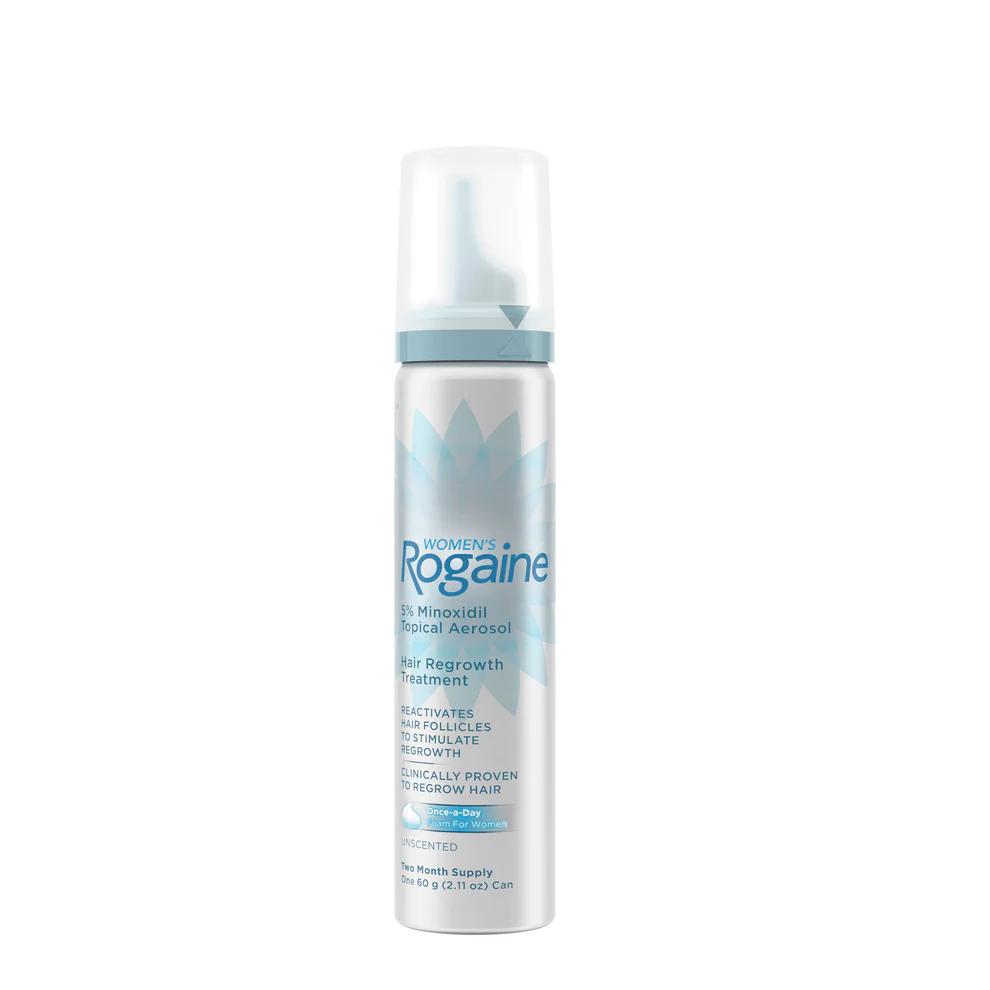
Women's Rogaine 5% Minoxidil Foam
~$30 for a 2-month supply · applied to the scalp once a day
The women's version of the most evidence-backed over-the-counter regrowth treatment. Its active is 5% minoxidil, which extends the growth phase of active follicles, so it helps most with early to moderate pattern thinning at the part or crown.
Pros
- Strongest OTC regrowth evidence
- 5% minoxidil, once a day for women
- Widely available
Considerations
- Needs ongoing use to keep results
- Can cause temporary early shedding
- A topical you apply to the scalp
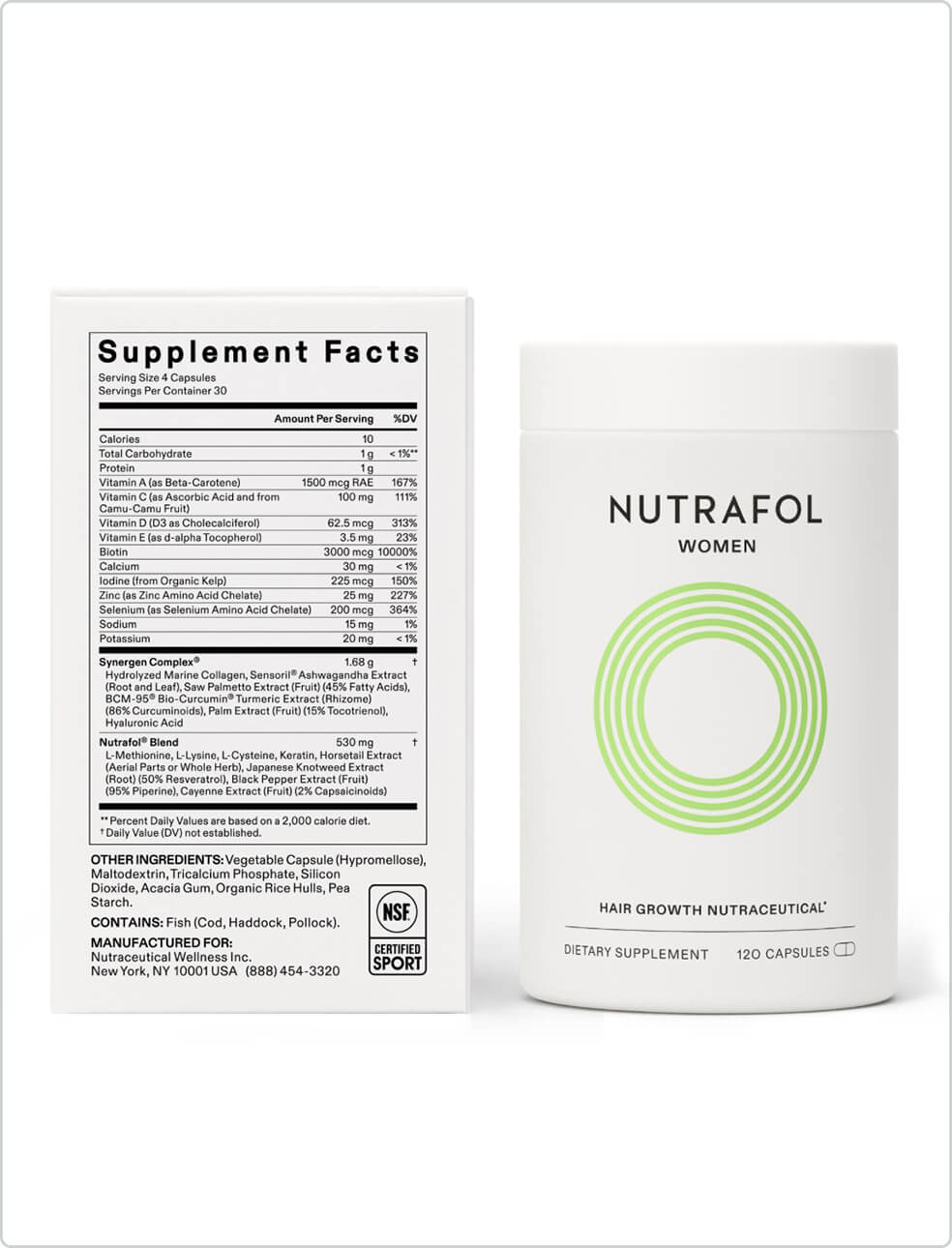
Nutrafol Women
$79/mo · 4 capsules a day
The established supplement pick for women who value dermatologist familiarity and a longer body of published data. Its edge is recognition and a mature data history rather than winning every comparison.
Pros
- Strong brand recognition
- Broad dermatologist familiarity
- Mature data history
Considerations
- Often more expensive
- Four capsules a day
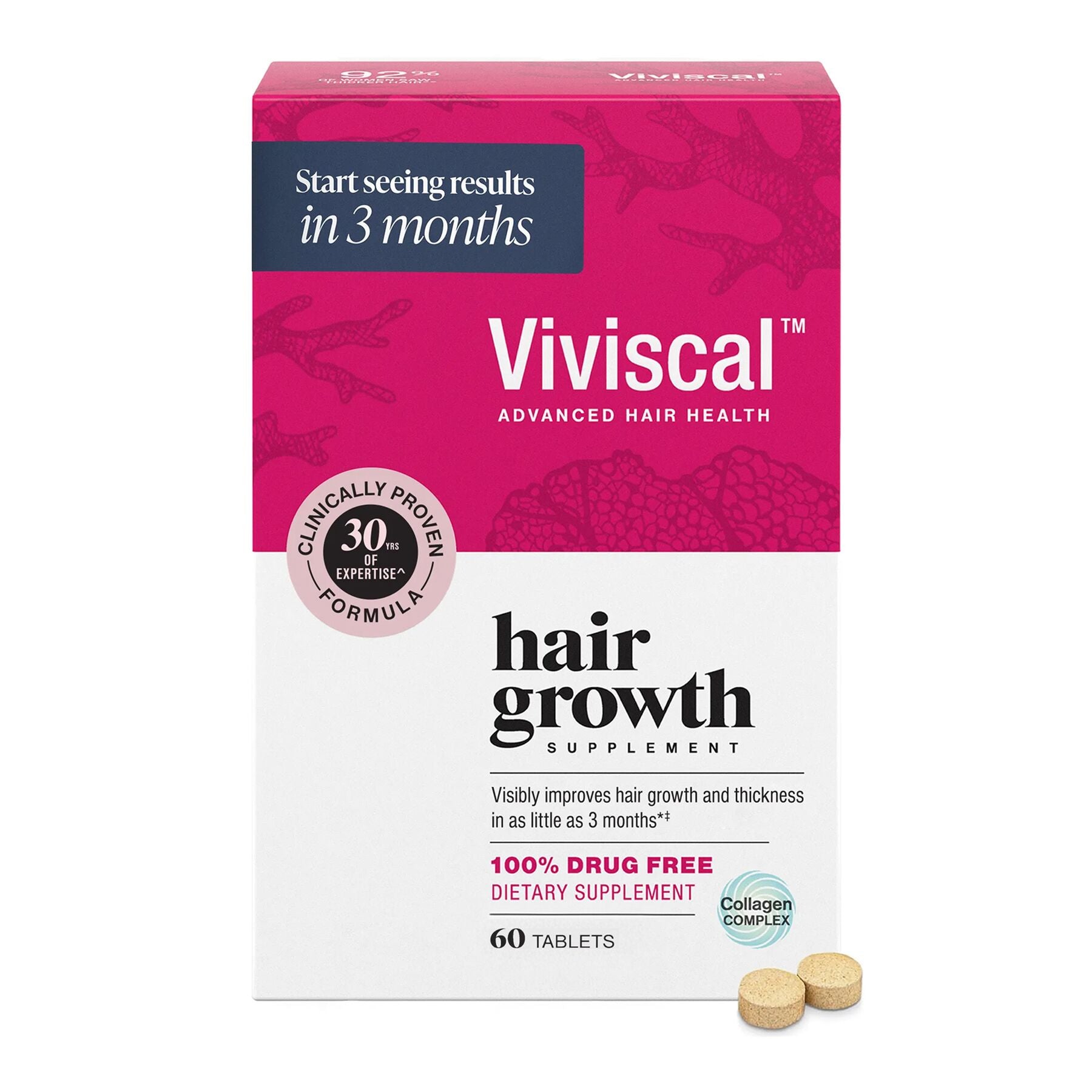
Viviscal Women's
$40/mo · 2 tablets a day
A long-standing option for readers who want an established name at a lower entry price, built around a marine collagen complex. Its main strength is longevity after decades in the market.
Pros
- Long market history
- Lower monthly cost
- Easy to find
Considerations
- Contains marine ingredients, not vegan
- Less differentiated on the multi-cause idea

Vegamour GRO Biotin Gummies
$36 ($30 on subscription) · 1 gummy a day
A vegan strawberry gummy with 5,000 mcg biotin plus vitamins A, C, E, and B-complex, aimed at general hair, skin, and nail upkeep. It is a beauty-first, easy-to-take option rather than a targeted multi-cause hair-loss formula.
Pros
- Vegan and easy one-gummy routine
- Pleasant, beauty-first option
Considerations
- Biotin-led, not multi-cause
- Gummy format is less clinical
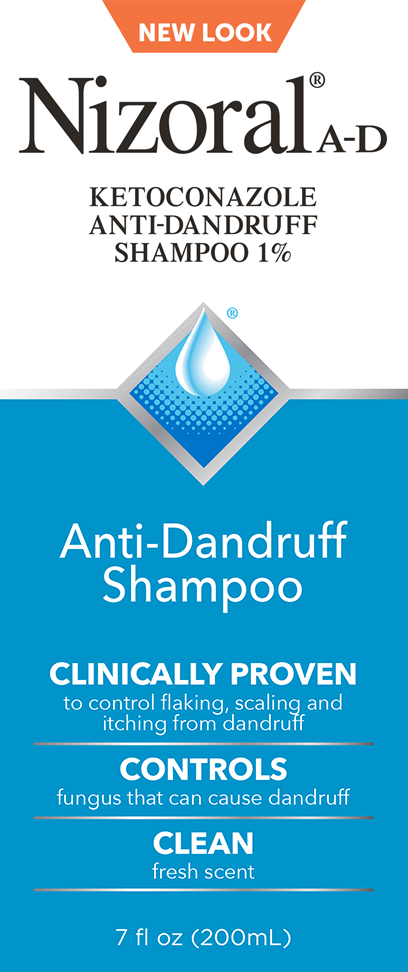
Nizoral (ketoconazole shampoo)
~$17 · used a few times a week
A 1% ketoconazole shampoo used a few times a week to control dandruff and calm an inflamed or flaky scalp. It is a support tool rather than a standalone regrowth product, but a healthier scalp makes the rest of a routine work better.
Pros
- Targets dandruff and scalp irritation
- Easy to add to a routine
Considerations
- Not a standalone regrowth strategy
The best serums and treatments
Serums and scalp treatments are the topical half of a hair routine. Where a supplement works from the inside, a serum works at the surface, which is why many women pair the two. Only minoxidil has FDA-recognized regrowth evidence; the growth-focused serums support the scalp and can reduce shedding, while repair and shine products are cosmetic.
| Product | Type | Key actives | Best for | Price |
|---|---|---|---|---|
| Nutrafol Hair Serum | Scalp serum | Ashwagandha exosomes, peptides | Thinning, drug-free | $49 / 1 oz |
| Vegamour GRO Serum | Scalp serum | Caffeine, turmeric, peptides | Shedding, fuller look | $49 to $64 |
| Calecim Advanced Hair System | Serum program | Stem-cell complex, growth factors | Thinning, willing to invest | $360 / 6 wks |
| Nutrire T.2 Night | Overnight treatment | Lactic acid, rosemary, saw palmetto | Buildup, scalp health | $68 / 50 ml |
| Briogeo Scalp Revival | Scalp treatment | Charcoal, tea tree, witch hazel | Flaky, itchy scalp | $22.50 |
| Nioxin System Kit 1 | 3-step system | Niacinamide, caffeine, salicylic acid | Light thinning, scalp care | $38 |
| Virtue Damage Reverse | Repair serum | Alpha keratin | Damaged hair | $60 / 1.7 oz |
| Ranavat Mighty Majesty | Pre-shampoo oil | Amla, jasmine oil | Strength, shine | $70 / 50 ml |
| OGX Bond Protein Mask | Repair mask | Wheat protein, bond complex | Breakage, dryness | 6.7 oz |
Growth-focused serums
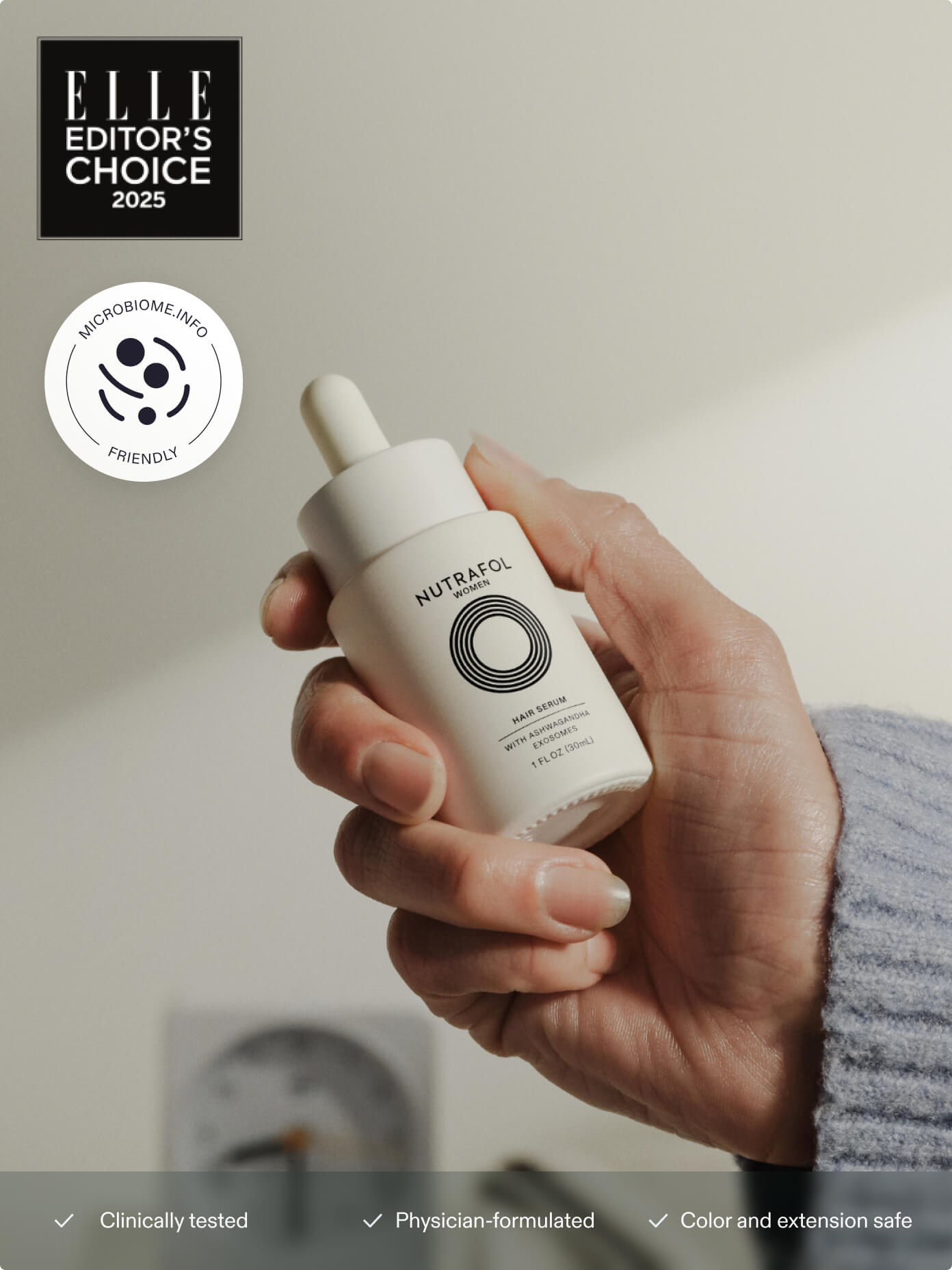
Nutrafol Hair Serum
$49 / 1 oz · ashwagandha exosomes, Irish moss peptides
A drug-free scalp serum from a well-known supplement brand, framed around less shedding and a fuller look by 90 days. Because it is cosmetic rather than a minoxidil-style drug, expect reduced shedding and a denser appearance rather than guaranteed regrowth.
Pros
- Drug-free, from a known brand
- Aimed at less shedding by 90 days
Considerations
- Cosmetic, not a drug; needs daily use

Vegamour GRO Hair Serum
$49 to $64 · caffeine, turmeric, peptides
A plant-based, drug-free scalp serum marketed to reduce shedding and improve the look of fullness. Its actives are cosmetic phytoactives rather than an FDA-approved regrowth ingredient, so results tend to be modest and appearance-focused.
Pros
- Plant-based and drug-free
- Aimed at less shedding, fuller look
Considerations
- Modest, appearance-focused results over months
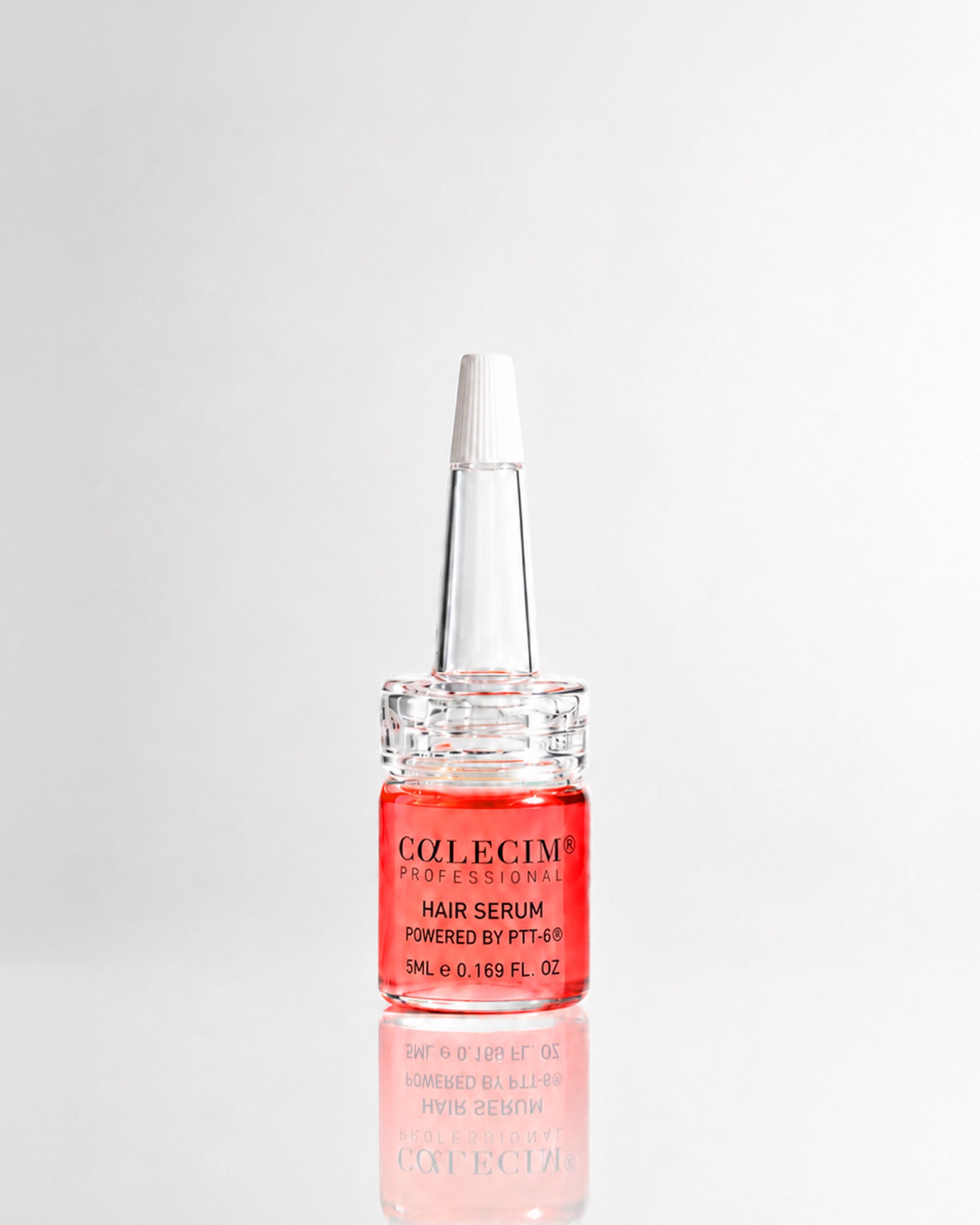
Calecim Advanced Hair System
$360 / 6 weeks · stem-cell complex, growth factors
A premium stem-cell-derived program sold in six-week courses, targeting thinning and shedding through follicle activation. The claims rest mainly on the brand's own clinical materials, and at $360 a course it sits at the top of the range.
Pros
- Explicitly targets growth and density
- Novel stem-cell-derived actives
Considerations
- Expensive; evidence is mostly brand-run
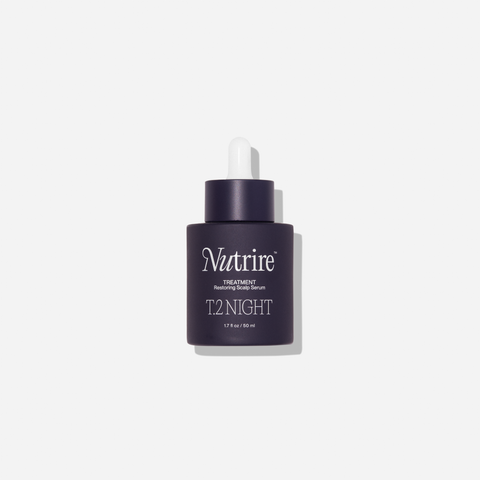
Nutrire T.2 Night
$68 / 50 ml · lactic acid, rosemary, tea tree, saw palmetto
An overnight scalp treatment that exfoliates buildup with lactic acid and adds botanical oils like rosemary and tea tree, which have early supportive evidence for scalp health. It is aimed at a healthier scalp rather than proven regrowth.
Pros
- Exfoliates buildup for a healthier scalp
- Rosemary has early supportive evidence
Considerations
- Scalp-health focus; brand data is self-reported
Scalp-care support

Briogeo Scalp Revival
$22.50 · charcoal, tea tree, witch hazel
A leave-in scalp treatment that clarifies buildup and calms itchy, flaky, or oily scalps. Its job is scalp comfort rather than density, so a cleaner, less irritated scalp is the realistic outcome.
Pros
- Calms itchy, flaky, oily scalps
- Affordable and easy to add
Considerations
- Scalp comfort, not density
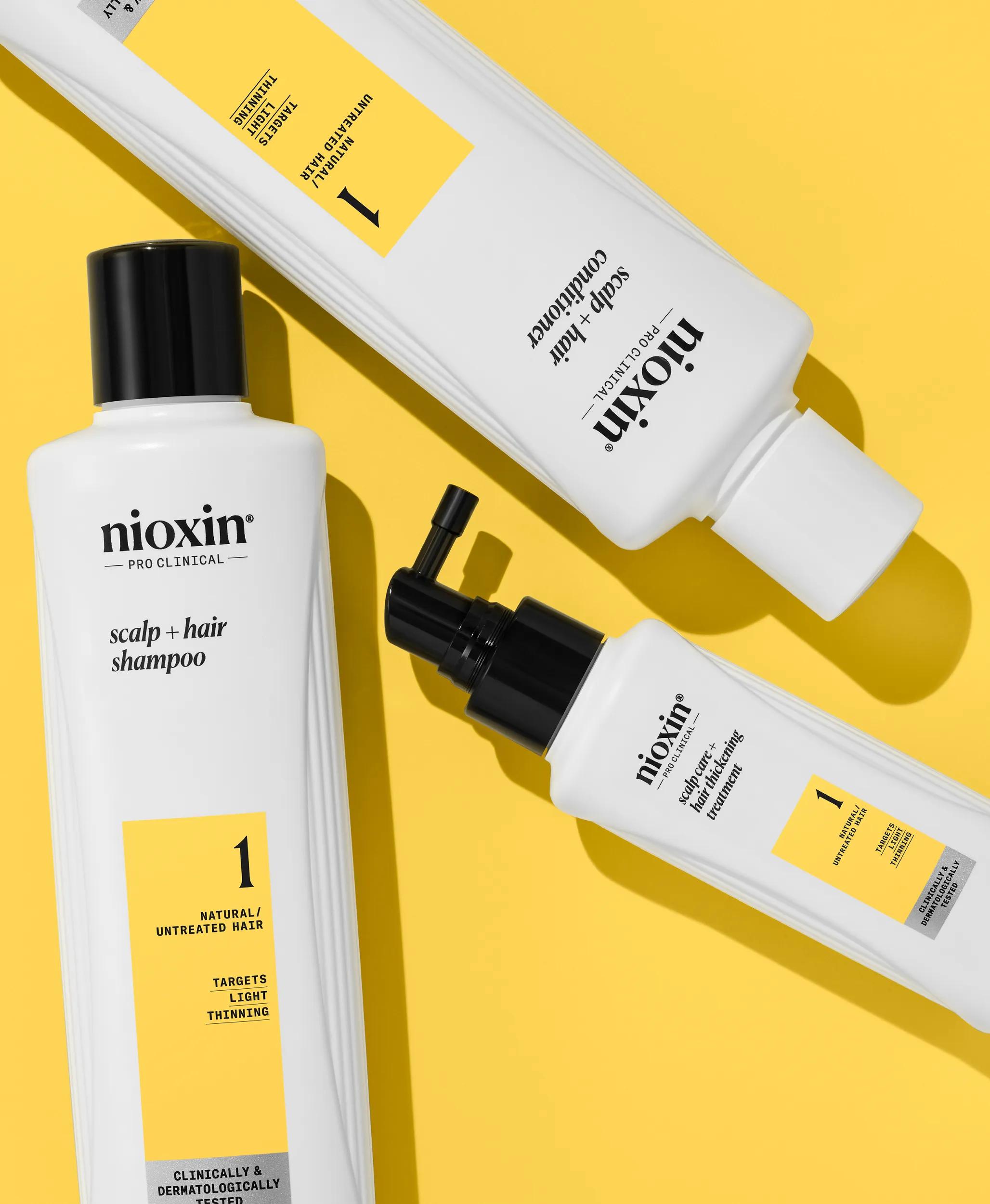
Nioxin System Kit 1
$38 · niacinamide, biotin, caffeine, salicylic acid
A three-step cleanse, condition, and treat system for light thinning that keeps the scalp clean and hair looking fuller. It contains no minoxidil, so the benefit is largely cosmetic thickness and scalp care rather than true regrowth.
Pros
- Keeps scalp clean, hair looks fuller
- Complete 3-step routine
Considerations
- Cosmetic thickness, no minoxidil
Hair repair and shine, not regrowth
These are easy to mistake for growth products. They smooth, strengthen, and add shine, which helps damaged hair look better, but they do not act on the follicle or scalp in a way that changes density.

Virtue Damage Reverse Serum
$60 / 1.7 oz · alpha keratin
A leave-in repair serum built around a keratin protein that coats and reinforces the hair shaft, so damaged strands feel smoother and look less frayed. The effect is temporary cosmetic bonding that washes out, and it does nothing for the scalp or growth.
Pros
- Smooths and reinforces damaged strands
- Reduces the look of split ends
Considerations
- Cosmetic and temporary; nothing for the scalp

Ranavat Mighty Majesty
$70 / 50 ml · amla, jasmine, sunflower oil
A luxury Ayurvedic pre-shampoo oil built around amla and jasmine to fortify strands and condition the scalp before washing. It reads as a cosmetic strengthening and shine treatment rather than a regrowth product.
Pros
- Nourishes scalp and strands before washing
- Adds shine and reduces breakage
Considerations
- Strength and shine, not regrowth
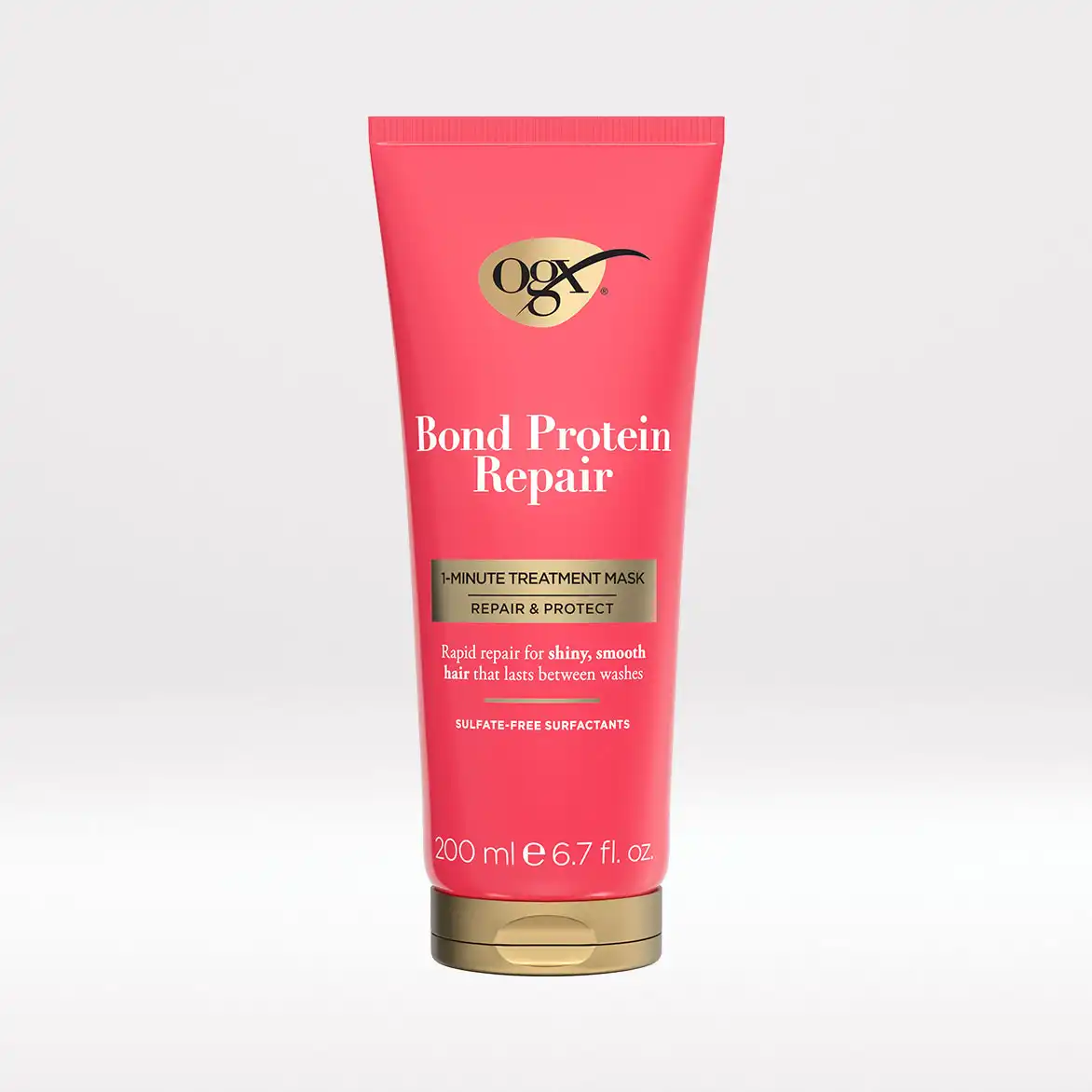
OGX Bond Protein Mask
6.7 oz · wheat protein, bond complex
A cosmetic damage-repair mask, not a hair-growth product, positioned for repair, anti-breakage, and shine. It temporarily smooths the surface and reduces mechanical breakage, but the effect washes out over time.
Pros
- Quick repair for dry, breakage-prone hair
- Adds smoothness and shine
Considerations
- Surface repair only; washes out
Whichever topical you choose, it works on the surface. Pairing a serum with a supplement like The Root Co. Hair Growth Vitamins, which supports the internal pathways behind healthy hair, is how many women cover both the scalp and the causes underneath it.
How to compare before you buy
The smartest way to compare hair products is to look past marketing language and ask five practical questions: what are the active ingredients, how is the product delivered, how simple is the routine, what timeline is realistic, and what kind of evidence backs the claims?
That alone eliminates a lot of disappointment.
A useful comparison checklist:
- Active ingredients: What is actually in it, and in what form?
- Delivery format: Topical, oral, shampoo, device, or cosmetic styler?
- Daily effort: Will you realistically do this every day or several times a week?
- Timeline: Is the brand honest about hair taking months, not days?
- Evidence type: Patent, brand-referenced clinical study, published data, or mostly anecdotal reviews?
A patented formula can be a meaningful differentiator, but it is not the same as a large body of published clinical trials. A brand-referenced clinical study is useful, but it still should be read with context. Published data across multiple studies usually carries more weight than testimonials, while reviews are best used to understand user experience, not to prove efficacy.
This is one reason biotin-only or keratin-only products often disappoint. If your thinning is hormonal, inflammatory, or stress-related, a single nutrient is addressing too narrow a slice of the problem.
Routine realism matters too. A theoretically effective product is still a poor choice if:
- You hate applying scalp treatments
- You know you will not use a device consistently
- The subscription cost is not sustainable
- The regimen is so complicated that you quit by week six
What dermatologist recommended hair growth products usually have in common
Dermatologist recommended hair growth products usually have a few things in common: a plausible mechanism, a clear use case, and a realistic expectation of consistency.
They do not usually promise miracles. They tend to fit into familiar buckets such as minoxidil, evidence-aware supplements, scalp treatments for inflammation, and medical therapies when needed.
That same logic is why many clinicians encourage women to separate “looks fuller today” products from “supports regrowth over time” products. They both have value, but they should not be confused.
What to look for in the best hair growth products for women over 50
The best hair growth products for women over 50 usually need to account for slower regrowth, menopause-related thinning, dryness, and long-term consistency. The goal is often better density and reduced visible scalp, not a fantasy of teenage hair returning in six weeks.
Useful priorities in this group include:
- A product with a realistic 3 to 6 month timeline
- Support for early pattern thinning or diffuse menopausal thinning
- A routine gentle enough for drier scalp and hair texture
- An option you can afford and maintain long term
- Honest framing about limits in more advanced thinning
For some women, that means minoxidil. For others, it means a supplement plus supportive scalp care. For advanced thinning, it may mean combining over-the-counter and medical options.
What to realistically expect
Hair growth happens on a timeline of months, not weeks. Most credible products need steady use for at least 3 to 6 months, and some routines show their clearest changes later than that.
A common progression looks like this:
- Reduced shedding first
- Baby hairs or short regrowth next
- Visible thickening after that
- Density changes later still
No product can honestly promise overnight regrowth. And no supplement, serum, or shampoo can guarantee restoration of follicles that have been inactive for years in every case.
What a good product can do is improve the odds that still-active follicles perform better over time.
What to expect in the first 30, 60, and 90 days
The first three months matter because they help you tell the difference between normal patience and a poor fit.
| Time window | What you may notice | What it usually means |
|---|---|---|
| First 30 days | Often very little visible change, though some women notice less shedding beginning | Too early for judging true regrowth in most cases |
| By 60 days | Reduced shedding may be easier to notice than density changes | An early sign the routine may be helping, especially with diffuse shedding |
| By 90 days | Baby hairs, a slightly narrower part, or early thickening may become visible | A more useful checkpoint for deciding whether to continue |
| Months 4 to 6 | Clearer cosmetic fullness and better ponytail density may appear | Often the window where consistency starts to pay off |
For women using The Root Co., the brand's 9-month single-group study of 38 adults with no placebo group points the same way: hair count in thinning areas reached about 2.6 times baseline at month 9.
When to switch products or add medical support
It makes sense to reassess if you have been consistent and are not seeing meaningful progress by around the 3 to 6 month mark, or sooner if your hair loss is getting rapidly worse.
Consider switching strategies or adding medical support if:
- Your shedding is increasing, not stabilizing
- You have used a product consistently for months with no sign of improvement
- Your part keeps widening despite treatment
- You suspect AGA and may need prescription support
- Your scalp is painful, scarred, or inflamed
- Your loss is sudden or patchy
For some women, the next step is not replacing one product with another. It is combining approaches, such as a supplement plus minoxidil, or scalp care plus dermatologist guidance.
How to build your routine
The right routine depends on the scenario. The most trustworthy recommendation is usually not “use this one thing.” It is “use the category that fits what is happening.”
A good routine often pairs a goal with a product type:
- Reduce shedding → oral support, time, gentle scalp care
- Support regrowth in pattern thinning → minoxidil, sometimes with an oral supplement
- Improve scalp comfort → ketoconazole or scalp-focused support
- Look fuller now → cosmetic thickening products
- Do more than one thing → combination approach
A simple way to think about it is this.
- Consider minoxidil if you have early pattern thinning, a widening part, or crown loss and you want the most evidence-backed OTC regrowth option.
- Consider The Root Co. Hair Growth Vitamins if you want a capsule-format supplement that pairs 15 mg of zinc with a patented botanical blend, and you are willing to give it a consistent multi-month trial.
- Consider Nutrafol if your top priority is the most established supplement reputation and broader dermatologist familiarity.
- Consider Viviscal if budget and brand longevity matter more than a newer multi-cause positioning.
- Consider Vegamour if vegan or clean-beauty positioning matters most and you prefer a beauty-forward routine.
- Consider ketoconazole shampoo as an add-on if dandruff, oiliness, or scalp irritation is part of the picture.
Enduring hair loss rarely responds well to random product hopping. A steady, realistic plan usually beats a shelf full of half-used bottles.
A simple decision guide for common female hair loss scenarios
The easiest way to choose is to match the pattern to the product type.
- Postpartum shedding: Usually start with time, nutritional support, and a gentle routine. Consider a supplement if you want broader internal support, but clear pregnancy or nursing questions with your clinician first.
- Women over 50: Focus on realistic density support, scalp comfort, and a plan you can stick with for at least 3 to 6 months.
- Early AGA: Minoxidil is often the default OTC regrowth option. A multi-cause supplement can make sense as an additional layer.
- Diffuse stress shedding: Oral support and patience often matter more than aggressive topicals.
- Scalp-focused concerns: Address dandruff, irritation, or inflammation rather than expecting a cosmetic shampoo alone to regrow hair.
- Best products for hair growth and thickness: Many women do best with one regrowth-focused product plus one cosmetic fullness product rather than expecting the same bottle to do both jobs.
If your loss is sudden, significant, or patchy, get medical evaluation first. If it is gradual thinning or ongoing shedding, a consistent plan often helps more than constant switching.
Daily support for fuller-looking hair
Just 2 capsules a day. Biotin-free and vegan.
In our 9-month study of 38 adults, hair count in thinning areas rose to about 2.6x the starting level. Single group, no placebo. See the study
90-day money-back guarantee · Cancel anytime
FAQ
What is the best hair growth product for women with thinning hair?
For many women with pattern thinning, topical minoxidil is the best evidence-backed over-the-counter regrowth option. If the issue is broader and may involve stress, nutritional gaps, inflammation, or early hormonal thinning, an oral supplement can make more sense as part of the plan. The best choice depends on whether you are dealing with shedding, breakage, or long-term miniaturization.
Do any hair growth products actually work for women?
Yes, some do, but they work differently and on different timelines. Minoxidil has the strongest OTC evidence for regrowth. Supplements may help when internal factors such as nutritional gaps, stress pathways, or broader follicle support are relevant. Shampoos and cosmetic thickening products can help hair look fuller, but they are usually not standalone regrowth solutions.
What do dermatologists recommend for female hair loss?
Dermatologists commonly recommend evaluation first when the pattern is sudden, patchy, scarring, or medically suspicious. For gradual female pattern thinning, recommendations often include minoxidil, scalp treatment when inflammation or dandruff is present, and sometimes supplements or prescription therapies depending on the case. What dermatologist recommended hair growth products usually share is a realistic mechanism and a long enough timeline to judge results fairly.
What is the best hair growth product for women over 50?
For women over 50, the best option is usually one that matches menopause-related thinning and is realistic for long-term use. That may be minoxidil for pattern thinning, a supplement for broader support, or a combination of both with gentle scalp care. The key is choosing a routine that supports density without promising unrealistic overnight change.
How long does it take to see results from hair growth products?
Most credible hair growth products take at least 3 to 6 months to show meaningful visible change. Reduced shedding may appear sooner, sometimes within 30 to 60 days, while baby hairs and visible thickening often take longer. If you expect a dramatic result in a few weeks, the category will almost always disappoint.
Read more
Compare the best hair growth serums for thinning, shedding, scalp health, minoxidil alternatives, realistic results, and what pills to pair with them.

Nutrafol vs hers compared on ingredients, minoxidil, side effects, cost, and timelines so you can choose the better fit for your hair loss.