
Zinc for Hair Loss in Women: Does It Work and How Much Should You Take?

Editorial disclosure: The Root Co. publishes this article and sells a hair supplement that contains zinc. Dr. Yehoshua Maor is the named inventor of the Phyllotex patent, and The Root Co. Hair Vitamin contains a Phyllotex blend. For that reason, the medical information below rests on the public clinical and medical sources linked in the text.
Zinc and hair loss in women: what it fixes, and what it cannot
Zinc for hair loss in females helps in one situation and not the others: it works when zinc status is genuinely low, and it does very little once levels are already normal. Women aged 19 and over need 8 mg a day, and the gap opens where eating is restricted, absorption is poor, or the body has just been through pregnancy, illness or rapid weight loss. Pattern thinning, thyroid disease and low iron do not answer to zinc, so the first job is working out which of those you are actually dealing with.

15 mg of zinc, in 2 capsules
The Root Co. Hair Vitamin gives 15 mg of zinc as zinc picolinate, with magnesium and vitamin B5, in 2 vegan, biotin-free capsules a day.
Jump to the bottom-line verdict
What zinc changes for a woman's hair, and what it does not
Zinc is a cofactor, not a growth stimulant. It sits behind the enzymes a follicle uses to divide, build protein and keep local inflammation in check, which is why a shortfall shows up in fast-turnover tissue like hair and nails before it shows up anywhere else. Researchers describe zinc as an essential cofactor for follicle enzymes and a contributor to protein synthesis and cell proliferation, the two processes an actively growing hair depends on.
So the realistic list of what zinc does for a woman is short. Where a shortfall existed, correcting it lets shedding settle and lets regrowth come back at its normal rate. Where zinc was already fine, more of it does nothing useful. And where follicles have already miniaturized over years, zinc has nothing to work with at all.
Diffuse shedding versus female pattern thinning
These two look similar in the mirror and behave nothing alike. Diffuse shedding means more hairs than usual are leaving across the whole scalp, usually starting two to three months after a trigger. Pattern thinning means the part widens slowly while daily fall stays roughly normal. Knowing the difference between shedding and hair loss is what tells you whether a mineral is even in scope.
The shedding version has a name: telogen effluvium, where a stressor pushes too many follicles out of the growth phase at once. It is temporary, it usually resolves in three to six months, and it is the scenario where nutrient status genuinely matters, because the follicles are still there and still cycling. Pattern loss is the other case. Cleveland Clinic puts female pattern hair loss at more than half of women by age 50, and it runs on hormones and genetics rather than on diet.
There is measured data behind that split. In a study of 312 people with hair loss, serum zinc was lower in the hair loss group than in controls, and the lowest readings clustered in alopecia areata and telogen effluvium rather than in pattern loss. That is the shape of the evidence in one line: zinc tracks with the shedding types, not the patterned ones.
Most women reading this have both running at once, which is the part that makes self-diagnosis so unreliable. A widening part does not rule out a nutrient gap sitting on top of it.
Why zinc runs low in women
Zinc has no storage depot. The body holds very little in reserve, so intake and absorption have to keep pace day to day, and several things common in women's lives interrupt that pace at once. The NIH Office of Dietary Supplements names people on vegetarian or vegan diets as a group at risk, because legumes and whole grains carry phytates that bind zinc and lower how much of it you take up.
The usual contributors:
- restrictive eating or a long stretch of low calories, where zinc falls alongside protein and iron
- plant-heavy diets without deliberate planning, for the phytate reason above
- digestive conditions, celiac disease, inflammatory bowel disease or anything causing chronic diarrhea
- heavy menstrual bleeding, which drains iron and zinc together
- bariatric surgery or any procedure that changes absorption
- medications that affect appetite or mineral uptake
- heavy endurance training paired with under-eating
Low zinc also announces itself in places other than the scalp. Cleveland Clinic lists hair loss, nail changes, skin rashes, frequent infections and poor appetite among the signs, and the WebMD zinc guide adds slow wound healing and changes in taste or smell. One of those on its own means nothing. Three of them at once, in someone who has been eating badly since a difficult year, means something. Either way it is worth looking at your whole nutrition picture for hair growth rather than one mineral in isolation.
Postpartum and perimenopause, where zinc overlaps with everything else
Both of these are hormonal events that arrive with a nutritional tail, and that combination is why zinc gets blamed for more than it deserves. Postpartum shedding is driven by the estrogen drop after delivery, which releases a large cohort of follicles at once, typically two to four months after birth. Pregnancy and breastfeeding also raise zinc requirements, and a depleted mother is often low on iron, vitamin D and zinc at the same time. Correcting the nutrient side supports recovery. It does not stop the hormonal shed, which runs its own course and usually settles within six to twelve months.
Perimenopause works the other way round. The thinning that starts in the forties is mostly androgen-driven pattern loss becoming visible as estrogen falls, and zinc is not the lever there. What low zinc can do is make a bad situation worse, by adding diffuse shedding on top of thinning that was already progressing. Our guide to hair growth for women walks through both stages in more detail.
Zinc deficiency hair loss in females: how to tell if zinc is really the problem
You cannot tell from symptoms, and one blood test only gets you partway. NIH treats a serum zinc level below 70 mcg/dL in women as inadequate status, and also notes that serum zinc varies by time of day, so a single draw is a snapshot rather than a verdict. A borderline number taken at 4pm after a light lunch is not a diagnosis.
There is a further reason not to pin everything on that one figure. The cross-sectional study above compared zinc levels in thousands of primary-care patients and found the difference between hair loss patients and controls was real but small, with both groups sitting inside the normal range. Zinc is worth checking. It is rarely the only thing worth checking.
The other labs worth running alongside serum zinc
Ferritin is the one most often missed in women, and it is the one most likely to be the actual answer. A sensible hair-loss panel usually covers four more markers beyond zinc.
| Marker | What it tells you | Why it matters for women specifically |
|---|---|---|
| Ferritin | Iron stores, which fall long before hemoglobin does | Menstrual losses, pregnancy and plant-based eating all drain it, and low ferritin is a common driver of diffuse shedding |
| Vitamin D | Status of a vitamin involved in follicle cycling | Widely low in adults, and easy to correct once it has been measured rather than guessed at |
| TSH | Thyroid function | Thyroid disease is several times more common in women, and diffuse thinning is often its first visible sign |
| Vitamin B12 | B12 status | Falls on vegetarian and vegan diets and with some long-term medications, alongside zinc |
| Serum zinc | Current zinc status, with the timing caveat above | Below 70 mcg/dL in women is the NIH threshold for inadequate status |
Timing is the free clue nobody charges for. If shedding started two to three months after a birth, a surgery, a crash diet or a bad illness, the pattern points at telogen effluvium and the trigger is usually already behind you.
How much zinc, and which form
NIH puts the adult requirement at 8 mg a day for women and sets a 40 mg ceiling from food and supplements combined, so a supplement in the low teens closes a gap without approaching the limit. Picolinate, citrate and gluconate all work, and head-to-head absorption data are limited enough that the form you can take daily without stomach upset beats the one with the best marketing. Dose, forms and the safety ceiling are covered properly in our main guide to how much zinc to take.
What zinc realistically does, and how long it takes
Shedding settles before anything looks thicker. That sequence is not a disappointment, it is how the hair cycle works: a follicle that stops shedding today still needs months to push out a visible hair, and the four phases of the hair growth cycle set that pace, not the supplement.
| Timeframe | What you may notice | How to read it |
|---|---|---|
| 6 to 8 weeks | Less hair in the shower, on the brush and on your clothes | The cycle may be stabilizing, if a shortfall was part of the trigger. Density has not changed yet |
| 3 months | Shedding stays lower, and short new hairs appear along the part or hairline | Regrowth is starting. It is still too early to judge thickness |
| 6 months | Fuller-looking hair where the underlying cause has actually been corrected | This is the point at which a change reflects real cycle recovery rather than a good hair week |
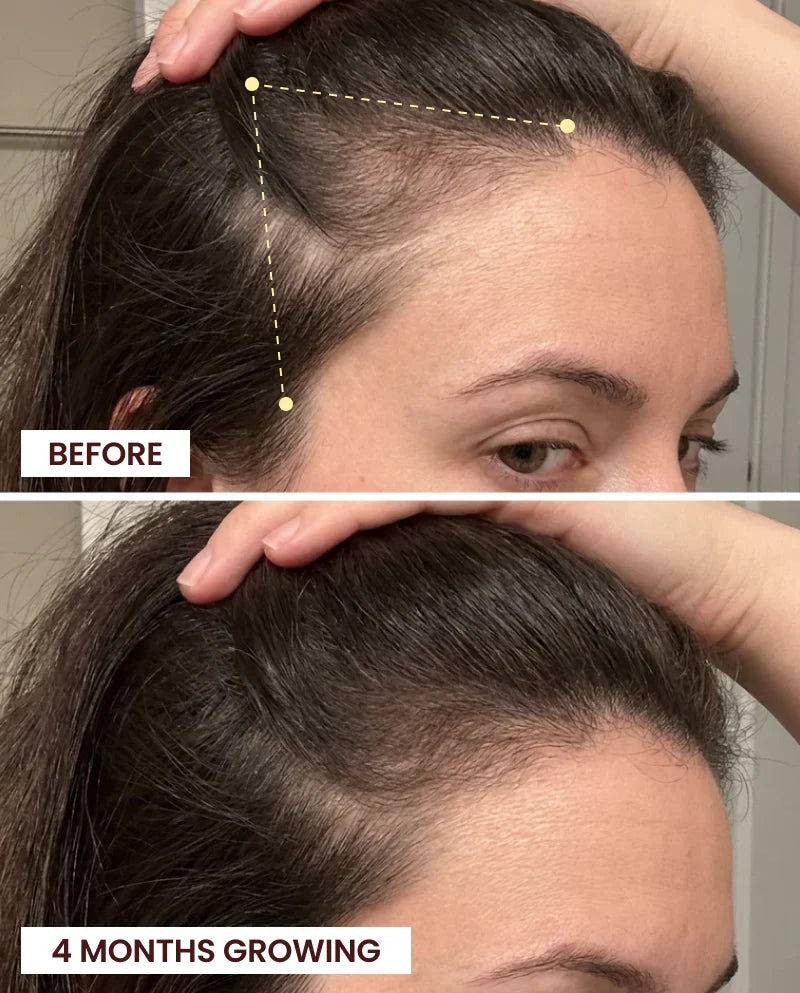
The zinc before-and-after photos circulating online are a poor measuring stick, and not because the women in them are lying. Lighting, part placement, a blow-dry and a different camera move apparent density more than three months of any supplement does. Those photos also rarely mention the iron that was repleted, the stress that lifted or the postpartum shed that was ending on its own schedule anyway.
Zinc also has a hard edge to it. It will not regrow hair from follicles that have been dormant for years, and it does not replace treatment for advanced pattern loss or scarring alopecia.
Zinc alone, or a formula built for several drivers
Match the formula to the picture. One confirmed gap is a job for one mineral, and several drivers running together are a job for one formula that covers more than one of them. Most women who reach this page are in the second group: some hormonal pattern loss, a stretch of poor eating, a stressful year, and a mineral or two sitting below where they should be.
The Root Co. Hair Vitamin is built for that second case. Two capsules a day give 15 mg of zinc as zinc picolinate, which is 136% of the Daily Value, plus 85 mg of magnesium, 5 mg of pantothenic acid as vitamin B5, and a 345 mg Phyllotex blend of acai fruit, green coffee bean, pau d'arco bark and olive leaf extracts. The Phyllotex blend is covered by US Patent 11,160,750. The brand has run a 9-month single-group study of 38 adults with no placebo group on it, and our formula explainer goes through every line of the panel. It is biotin-free, vegan, third-party tested and made in the USA, and it sells for $49.90 a month on subscription or $59.90 one-time with a 90-day money-back guarantee.
If you want the labels side by side before deciding, our roundup of the best hair growth supplements compares doses and prices, and our guide to hair vitamins for thin hair covers what a panel should disclose before it earns your money.
Who may benefit from zinc alone versus a multi-factor hair supplement
Zinc on its own fits when
- a clinician has confirmed low zinc, and the other markers came back normal
- shedding is diffuse and started after a clear trigger
- diet has been genuinely restricted for months
- other deficiency signs are present, such as nail changes or slow healing
- you are already taking a full multivitamin and only need to close one gap
A multi-factor formula fits when
- the part is widening and daily shedding has increased, both at once
- a hormonal transition, stress and nutrient gaps overlap
- you would rather run one routine than four separate bottles
- thinning is early to moderate and follicles are still producing hair
- you want a disclosed zinc dose rather than a proprietary blend that hides it
Before you pay for either, six questions are worth putting to the label: does it name the form of each nutrient, does it print the milligrams, does it describe results in months rather than weeks, is the evidence behind it brand-run or independent, could it interact with anything you already take, and does the formula actually match the cause of your hair loss. Ask all six. Fewer labels survive that list than you would expect.
One formula, not five bottles
Zinc, magnesium, vitamin B5 and a 345 mg Phyllotex botanical blend in a single daily routine, at $49.90 a month on subscription.
When to see a doctor instead of reaching for a supplement
A supplement is not a diagnosis, and there are presentations where starting one on your own delays the care that would have worked. Book an appointment rather than experimenting if you have:
- sudden or heavy shedding that came on over days rather than weeks
- patchy bald spots or hair loss with a defined edge
- scalp pain, burning, scaling or redness
- a part that has widened noticeably within a year
- hair loss that started after a new or changed medication
- shedding alongside fatigue, cycle changes or unexplained weight change
- postpartum shedding that is still heavy past twelve months
A full plan for female hair loss usually runs wider than a bottle: correcting confirmed deficiencies, treating thyroid or iron problems properly, managing the stressor if there is one, and dermatologist-guided treatment such as topical minoxidil where pattern loss is the main driver. A supplement sits underneath that, not instead of it.
Zinc for hair loss in females: bottom-line verdict
- Zinc helps female hair loss when zinc status is genuinely low. Adding it on top of normal levels has not been shown to regrow hair.
- It is most relevant in diffuse shedding and telogen effluvium, and least relevant in established female pattern thinning, where the measured zinc differences are smallest.
- Ferritin, vitamin D, TSH and B12 belong on the same requisition as serum zinc, and ferritin is the one most often behind shedding in women.
- Postpartum and perimenopausal shedding are hormonal events with a nutritional tail. Correcting zinc supports recovery and does not stop the hormonal shed.
- Expect less shedding at 6 to 8 weeks and judge density at 6 months. Sudden, patchy or painful hair loss needs a dermatologist before any supplement.
FAQ
Does zinc help hair loss in females?
Zinc helps hair loss in females when low zinc status is part of the cause. It is most relevant in deficiency-linked shedding, diffuse thinning, poor intake and absorption problems. It does much less on its own when the main driver is female pattern hair loss, scarring alopecia or an untreated medical condition such as thyroid disease.
How much zinc should a woman take for hair loss?
NIH sets the requirement for women aged 19 and over at 8 mg a day, rising to 11 mg in pregnancy and 12 mg while breastfeeding, with a 40 mg ceiling from food and supplements combined. A supplement in the low teens closes a dietary gap without approaching that limit. Because a serum zinc reading varies by time of day, discuss anything above the usual range with a clinician rather than deciding from hair-loss reviews.
Can too much zinc cause hair loss?
Yes. Sustained high doses can cause nausea, stomach upset and copper depletion, and depleted copper can itself worsen shedding, so a high-dose habit can create the problem it was bought to fix. Women stacking a hair supplement, a multivitamin and a separate zinc tablet should add up the total before assuming more is safer.
Does zinc help postpartum hair loss?
Zinc supports postpartum recovery when stores are low, and it does not stop the shed itself. Postpartum shedding is triggered by the estrogen drop after delivery and usually peaks around two to four months after birth, then settles within six to twelve months. Pregnancy and breastfeeding raise zinc requirements and often leave iron and vitamin D low at the same time, so a postpartum workup should look at all of them rather than at zinc alone.
Sources
Medical and scientific sources
- Zinc: fact sheet for health professionals. NIH Office of Dietary Supplements.
- Liran O, et al. Hair loss and zinc deficiency: a cross-sectional study. Healthcare, 2025.
- Kil MS, Kim CW, Kim SS. Analysis of serum zinc and copper concentrations in hair loss. Ann Dermatol, 2013.
- Zinc deficiency. Cleveland Clinic.
- Telogen effluvium. Cleveland Clinic.
- Hair loss in women. Cleveland Clinic.
- Zinc supplement guide. WebMD.
Product information
- The Root Co.: Supplement Facts label and product page, September 2026.
If you are pregnant, nursing, taking prescription medication, or experiencing sudden or significant hair loss, consult your healthcare provider before adding a new supplement to your routine. Sudden hair loss can sometimes be a sign of an underlying condition worth investigating. The Root Co. Hair Vitamin contains pau d'arco. If you are pregnant, breastfeeding or take blood-thinning medication, discuss its use with your healthcare provider first. This article is educational and not a substitute for personalized medical advice. These statements have not been evaluated by the Food and Drug Administration. This product is not intended to diagnose, treat, cure, or prevent any disease.
Read more
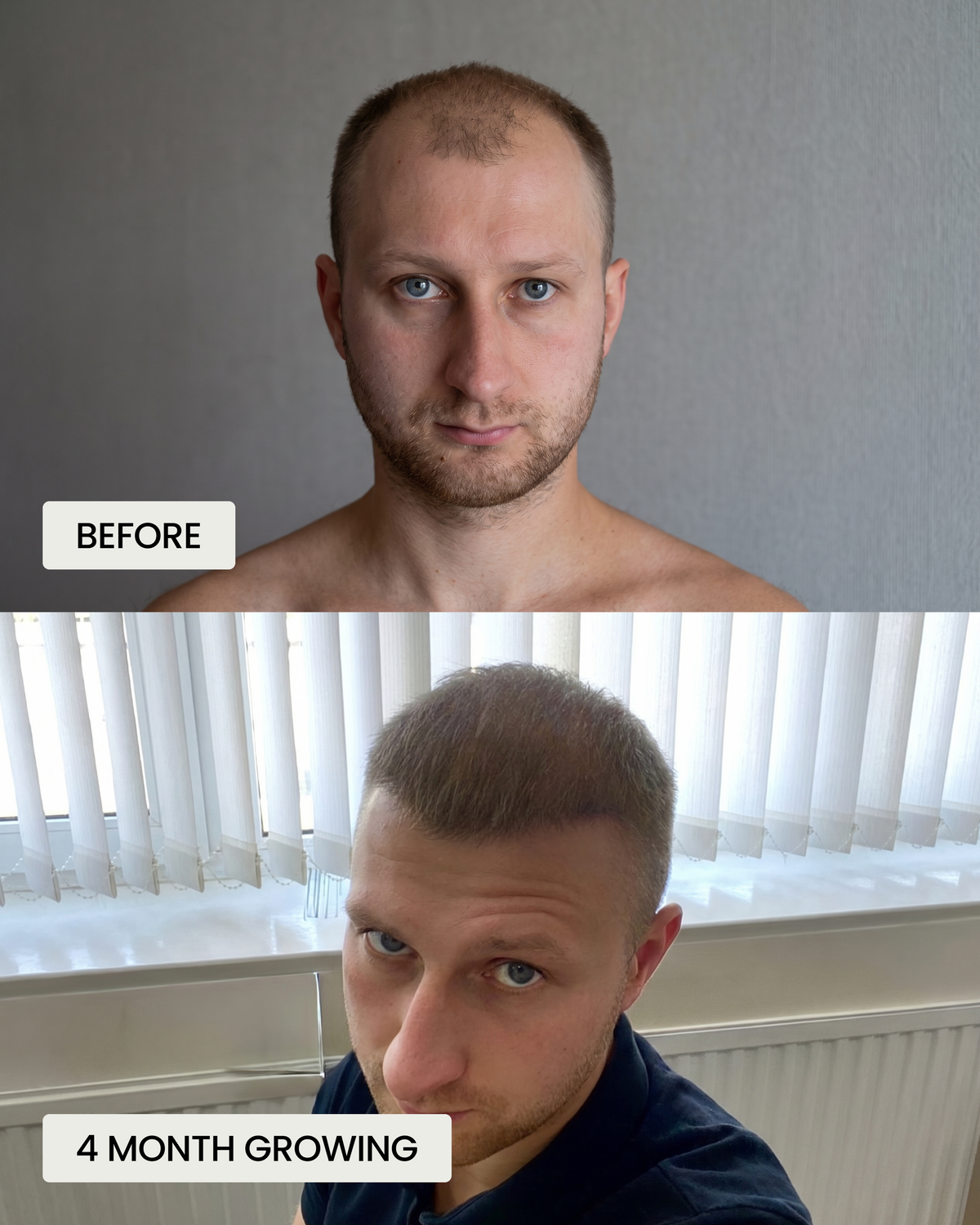
Learn when zinc can help hair loss in men, how much to take, signs of deficiency, and why male pattern thinning usually needs a different approach.
Does magnesium help hair growth? Learn what the evidence says, how much magnesium you need, the best forms to take, and when magnesium is unlikely to fix hair loss.