
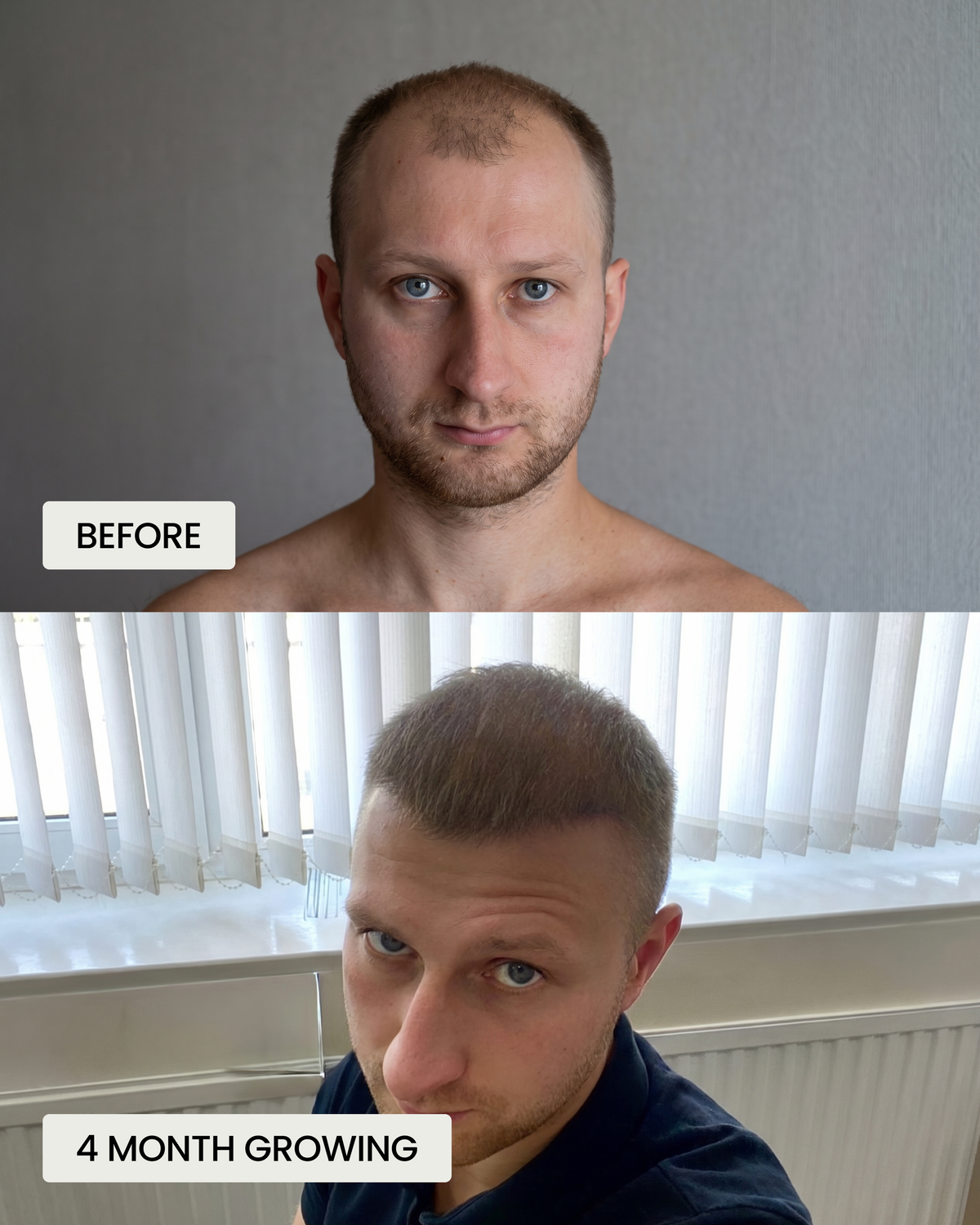
Zinc for Hair Loss in Men: Does It Work or Is DHT the Real Cause?

Editorial disclosure: The Root Co. publishes this article and sells a hair supplement that contains zinc. Dr. Yehoshua Maor is the named inventor of the Phyllotex patent, and The Root Co. Hair Vitamin contains a Phyllotex blend. For that reason, the medical information below rests on the public clinical and medical sources linked in the text.
Zinc and hair loss in men: where it fits, and where it does not
Zinc for hair loss in men helps in one situation and not the others: it works when zinc status is genuinely low, and it does very little once levels are already normal. Adult men need 11 mg a day, and the gap opens where eating is restricted, absorption is poor, alcohol intake is heavy, or the body is coming back from an illness. Male pattern hair loss runs on DHT and genetics instead, which is why a receding hairline does not answer to a mineral. The first job is working out which of the two you are looking at.

15 mg of zinc, 2 capsules a day
The Root Co. Hair Vitamin gives 15 mg of zinc as zinc picolinate, with magnesium and vitamin B5, in 2 biotin-free, vegan capsules.
Jump to the bottom-line verdict
What zinc does for a man's hair, and what it does not
Zinc is a cofactor, not a growth stimulant. It sits behind the enzymes a follicle uses to divide and build keratin, which is why a shortfall shows up in fast-turnover tissue like hair and nails before it shows up anywhere else. A dermatology review of diet, nutrient deficiency and hair loss sets out the practical version: screen by medical and dietary history, test where a risk factor is present, and expect little from supplementing a man who has no gap to fill.
So the list of what zinc does for a man is short. Where a shortfall existed, correcting it lets shedding settle and lets regrowth come back at its normal rate. Where zinc was already fine, more of it does nothing useful. And where follicles have been miniaturizing for a decade, zinc has nothing left to work with. Low zinc also shows up in the skin the hair grows out of, so scalp health and hair growth belong in the same conversation rather than in separate ones.
Pattern thinning versus diffuse shedding in men
These two look alike in a bathroom mirror and behave nothing alike. Pattern thinning moves slowly and in a recognizable shape: the temples retreat, the crown opens, and daily fall stays roughly normal. Cleveland Clinic puts male pattern baldness at about two thirds of men and describes it in seven stages. Diffuse shedding is the other thing entirely: more hair than usual leaving across the whole scalp, the hairline mostly intact, the overall density feeling lighter. Knowing the difference between shedding and hair loss is what tells you whether a mineral is even in scope.
The shedding version has a name. Telogen effluvium is the temporary state where a stressor pushes too many follicles out of the growth phase at once, and Cleveland Clinic expects regrowth within three to six months once the underlying trigger is dealt with. That is the scenario where nutrient status genuinely matters, because the follicles are still there and still cycling.
Pattern loss is the hormonal one. A clinical-trial review of treatments for androgenetic alopecia describes androgen-sensitive follicles miniaturizing over years under DHT, which is why a man can eat well, lift four times a week and still watch his crown open up. Our guide to how DHT causes hair loss walks through that mechanism. Zinc is not the lever there, and nothing in the nutrition literature suggests otherwise.
Plenty of men have both running at once, which is the part that makes self-diagnosis unreliable. A receding hairline does not rule out a nutrient gap sitting on top of it.
Who is actually low in zinc
The body keeps almost no zinc in reserve, so intake and absorption have to keep pace day to day. The Advances in Nutrition review of zinc in human health traces deficiency back to two things, low intake and poor absorption, and names shellfish and red meat as the richest dietary sources. Men who eat neither, and who have not planned around that, are the ones worth checking.
The usual contributors:
- low-protein or long-term restrictive eating, where zinc falls alongside iron and protein
- plant-heavy diets without deliberate planning, because phytates in legumes and whole grains bind zinc and lower uptake
- celiac disease, inflammatory bowel disease or anything causing chronic diarrhea
- heavy alcohol use, which raises losses and lowers intake at the same time
- recovery from major illness or surgery
- medications that affect appetite or mineral uptake
- hard endurance training paired with under-eating
Low zinc also announces itself somewhere other than the scalp. Slow wound healing, a dropped appetite, skin changes, repeated infections and a shift in taste or smell are the usual company it keeps. One of those on its own means nothing. Three of them at once, in a man who has been eating badly since a rough year, means something, and it is worth looking at your whole nutrition picture for hair growth rather than at one mineral.
What a blood test can and cannot settle
NIH treats a serum zinc reading below 74 mcg/dL in men as inadequate status, and the same NIH zinc fact sheet notes that serum zinc moves with the time of day. One draw is a snapshot rather than a verdict. Ferritin, vitamin D, TSH and B12 belong on the same requisition, because a man who is short on one of them is often short on two.
How much zinc a man needs
NIH puts the adult male requirement at 11 mg a day and sets a 40 mg ceiling from food and supplements combined. Women need 8 mg, and zinc and hair loss in women runs on a different set of triggers, so the two questions do not share an answer.
| Zinc question | Practical answer | What to keep in mind |
|---|---|---|
| Daily need | Adult men need 11 mg a day from all sources | A nutrition target, not a hair-loss dose |
| Upper limit | 40 mg a day, food and supplements combined | The ceiling exists because of copper, not because of hair |
| Supplementing | A dose in the low teens closes a dietary gap | Sensible when intake is low or deficiency is plausible |
| Hair-loss goal | Correct the shortfall, do not chase a bigger number | If zinc was not the bottleneck, more of it changes nothing |
Higher corrective doses, the differences between zinc forms and where the safety ceiling actually bites are covered in our main guide to how much zinc to take.
What zinc realistically does, and how long it takes
Shedding settles before anything looks thicker. That sequence is how the hair cycle works, not a sign the supplement is underperforming: a follicle that stops shedding today still needs months to push a visible hair out of the scalp.
| Timeframe | What you may notice | How to read it |
|---|---|---|
| 6 to 8 weeks | Less hair in the shower drain and on the pillow | The cycle may be stabilizing, if a shortfall was part of the trigger. Density has not changed yet |
| 3 months | Shedding stays lower, and short new hairs appear along the hairline | Regrowth is starting. Still too early to judge thickness |
| 6 months | Fuller-looking hair where the underlying cause has actually been corrected | This is the point where a change reflects real cycle recovery rather than a good haircut |
Shedding that followed an illness is on its own clock regardless. Reviews of post-illness telogen effluvium report spontaneous improvement within six to twelve months, so a man who starts a supplement in month three will struggle to tell which one did the work. The expert consensus on managing telogen effluvium puts correcting nutritional deficiencies in the standard workup for exactly that reason.
Zinc also has a hard edge. It will not regrow hair from follicles that have been dormant for years, and it does not replace treatment for advanced pattern loss or scarring alopecia. And more of it is not better: the review on zinc toxicity and its limits describes excess zinc depleting copper, and depleted copper can itself worsen shedding. A high-dose habit can build the problem it was bought to fix.
Zinc vs minoxidil and finasteride
These three act on different things, so ranking them against each other misses the point. Minoxidil works on growth signalling at the follicle. Finasteride lowers DHT. Zinc covers a nutritional requirement that has to be met before either drug is working with a healthy follicle in the first place.
| Option | What it acts on | Where it fits for men |
|---|---|---|
| Zinc | A nutritional requirement | Diffuse shedding after a trigger, restricted eating, absorption problems, confirmed low status |
| Minoxidil | Growth signalling at the follicle | Androgenetic alopecia, applied daily and indefinitely to hold the gain |
| Finasteride | DHT | Pattern thinning, on prescription, with side effects to discuss with a doctor |
| Multi-nutrient formula | Several nutritional inputs at once | Early to moderate thinning where a man wants a drug-free routine |
If the prescription route is the one you are weighing, our comparison of finasteride vs minoxidil goes through the evidence and the side-effect profiles side by side.
Zinc alone vs a multi-ingredient hair supplement
Match the format to the picture. One confirmed gap is a job for one mineral. Several inputs running below par at once is a job for one formula that covers more than one of them, and most men who land on this page are in the second group: a stretch of poor eating, a stressful year, a drink most nights, and a mineral or two sitting below where they should be.
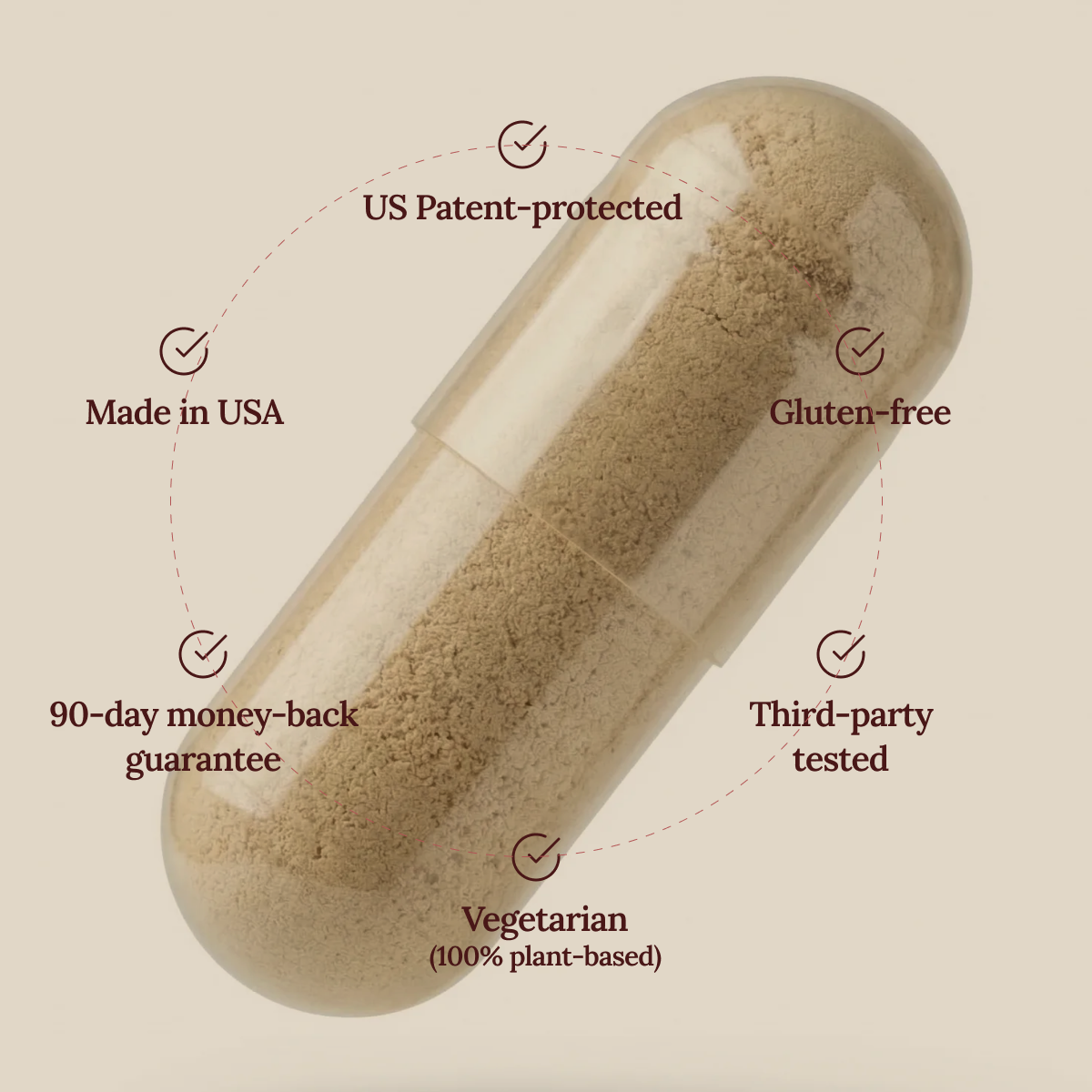
The Root Co. Hair Vitamin is built for that second case. Two capsules a day give 15 mg of zinc as zinc picolinate, which is 136% of the Daily Value, plus 85 mg of magnesium, 5 mg of pantothenic acid as vitamin B5, and a 345 mg Phyllotex blend of acai fruit, green coffee bean, pau d'arco bark and olive leaf extracts. The Phyllotex blend is covered by US Patent 11,160,750. The brand has run a 9-month single-group study of 38 adults, 16 of them men aged 30 to 50, with no placebo group, and our formula explainer goes through every line of the panel. It is biotin-free, vegan, third-party tested and made in the USA, one formula for women and men, at $49.90 a month on subscription or $59.90 one-time, with 90 days to decide it was worth it.
The dose is on the front of the panel rather than hidden inside a proprietary blend, which is the thing to check before you pay for anything in this category. Our roundup of hair growth supplements for men puts the labels and the prices next to each other.
Zinc on its own fits when
- a clinician has confirmed low zinc and the other markers came back normal
- shedding is diffuse and started after a clear trigger
- eating has been genuinely restricted for months
- other deficiency signs are present, such as slow healing or nail changes
- you already take a full multivitamin and only need to close one gap
A multi-nutrient formula fits when
- thinning and increased shedding are happening at the same time
- stress, drinking and nutrient gaps have been overlapping for a while
- you would rather run one routine than four separate bottles
- thinning is early to moderate and the follicles are still producing hair
- you want the zinc dose printed on the panel rather than buried in a blend
A drug-free routine you can keep
Zinc, magnesium, vitamin B5 and a 345 mg Phyllotex botanical blend at $49.90 a month on subscription, with 90 days to judge it.
When to see a dermatologist instead of self-treating
Some presentations need a diagnosis before they need a bottle, and starting a supplement on your own delays the care that would have worked. Book an appointment if you have:
- patchy hair loss, or bald areas with a defined edge
- sudden heavy shedding that arrived over days rather than weeks
- scalp pain, burning, tenderness or sores
- visible scarring or shiny scalp change
- a rapid change that started after a new or changed medication
- hair loss alongside fatigue, digestive symptoms, rash or other body-wide signs
The AAD hair loss resource center is a reasonable place to read up on which patterns tend to need assessment. A full plan for male hair loss usually runs wider than a bottle: correcting confirmed deficiencies, treating anything systemic properly, and dermatologist-guided treatment where pattern loss is the main driver. A supplement sits underneath that, not instead of it.
Zinc for hair loss in men: bottom-line verdict
- Zinc helps male hair loss when zinc status is genuinely low. Adding it on top of normal levels has not been shown to regrow hair.
- It is most relevant in diffuse shedding and telogen effluvium, and least relevant in established male pattern thinning, which runs on DHT and genetics.
- Men need 11 mg a day, the ceiling is 40 mg from all sources, and NIH puts inadequate status below 74 mcg/dL of serum zinc.
- Restricted eating, gut conditions, heavy drinking and recovery from illness are where low zinc actually turns up in men.
- Expect less shedding at 6 to 8 weeks and judge density at 6 months. Patchy, sudden, painful or scarring hair loss needs a dermatologist first.
FAQ
Can zinc stop hair loss in men?
Zinc stops hair loss in men when low zinc status is part of what is causing it. Correcting a genuine shortfall can reduce diffuse shedding, and it is most useful where eating has been restricted, absorption is impaired or the shed followed an illness. It does not stop male pattern hair loss, which is driven by DHT-sensitive follicles miniaturizing over years and needs a different approach.
How much zinc should a man take for hair loss?
NIH sets the requirement for adult men at 11 mg a day, with a 40 mg ceiling from food and supplements combined. A supplement in the low teens closes a dietary gap without approaching that limit. Higher corrective doses belong with a clinician who has seen your bloodwork, because sustained high-dose zinc depletes copper.
Can too much zinc cause hair loss?
Yes. Sustained high doses cause nausea and stomach upset, and they deplete copper, which can itself worsen shedding. Men stacking a hair supplement, a multivitamin and a separate zinc tablet should add up the total before assuming more is safer.
Sources
Medical and scientific sources
- Zinc: fact sheet for health professionals. NIH Office of Dietary Supplements.
- Guo EL, Katta R. Diet and hair loss: effects of nutrient deficiency and supplement use. Dermatol Pract Concept, 2017.
- Huang L, Drake VJ, Ho E. Zinc. Adv Nutr, 2015.
- Schoofs H, Schmit J, Rink L. Zinc toxicity: understanding the limits. Molecules, 2024.
- Bajoria PS, et al. Comparing current therapeutic modalities of androgenic alopecia. Cureus, 2023.
- Mysore V, et al. Expert consensus on the management of telogen effluvium in India. Int J Trichology, 2019.
- Popescu MN, et al. Complementary strategies to promote hair regrowth in post-COVID-19 telogen effluvium. Clin Cosmet Investig Dermatol, 2022.
- Male pattern baldness (androgenic alopecia). Cleveland Clinic.
- Telogen effluvium. Cleveland Clinic.
- Hair loss resource center. American Academy of Dermatology.
Product information
- The Root Co.: Supplement Facts label and product page, September 2026.
If you are taking prescription medication, have chronic digestive symptoms, or are experiencing sudden or significant hair loss, consult your healthcare provider before adding a new supplement to your routine. Sudden hair loss can sometimes be a sign of an underlying condition worth investigating. The Root Co. Hair Vitamin contains pau d'arco. If you take blood-thinning medication, discuss its use with your healthcare provider first. This article is educational and not a substitute for personalized medical advice. These statements have not been evaluated by the Food and Drug Administration. This product is not intended to diagnose, treat, cure, or prevent any disease.
Read more
Learn when zinc can help hair loss, how much to take, signs of deficiency, realistic timelines, and why too much zinc can actually worsen shedding.
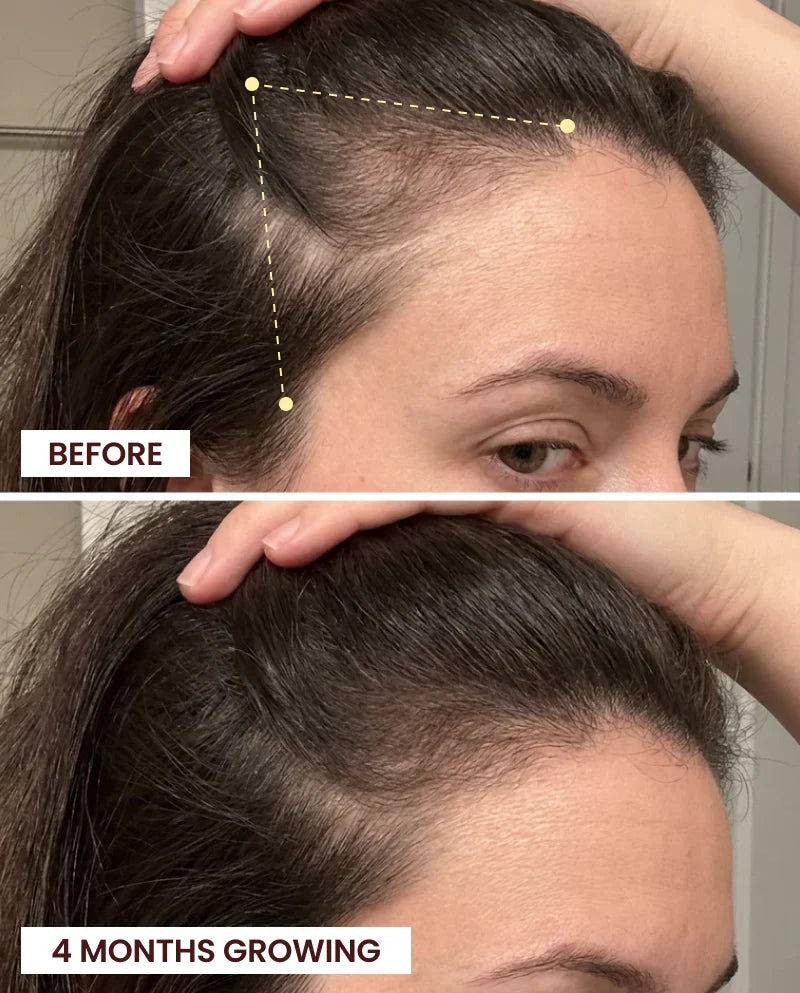
Learn when zinc can help hair loss in women, how much to take, signs of deficiency, and when iron, thyroid issues or hormones may be the real cause.