
Zinc for Hair Loss: Does It Work and How Much Should You Take?

Editorial disclosure: The Root Co. publishes this article and sells a hair supplement that contains zinc. Dr. Yehoshua Maor is the named inventor of the Phyllotex patent, and The Root Co. Hair Vitamin contains a Phyllotex blend. For that reason, the medical information below rests on the public clinical and medical sources linked in the text.
Zinc and hair loss: when it helps, how much, and when it is the wrong fix
Zinc can help hair loss when low zinc status is part of the problem, and it is not a universal fix for every kind of thinning. Zinc supports normal follicle function, cell turnover, protein synthesis and immune balance, which is why low levels can show up as shedding, weaker regrowth, or more fragile hair.

15 mg of zinc, printed on the panel
The Root Co. Hair Vitamin gives 15 mg of zinc as zinc picolinate in 2 vegan, biotin-free capsules a day, well under the 40 mg daily ceiling for adults.
Jump to the bottom-line verdict
What does zinc do for hair loss?
Zinc works in the background of hair growth rather than at the front of it. It supports enzymes involved in tissue repair, helps cells divide normally, and plays a part in how the body handles inflammation and immune signals. Hair follicles are among the fastest-dividing structures in the body, so they tend to feel a shortfall before most other tissues do.
Not every kind of hair loss works the same way, though, and the distinction decides whether zinc is worth taking at all. Shedding means more hairs than usual are leaving the scalp, often after stress, illness, dieting or a hormonal change, and it is worth knowing the difference between hair shedding and hair loss before you treat either. Thinning means lower overall density over time. Pattern hair loss, also called androgenetic alopecia, involves gradual follicle miniaturization that is driven in part by DHT, a hormone made from testosterone.
So zinc is most likely to help where hair loss tracks with deficiency, poor intake or broader nutritional depletion. Where zinc status is already normal, large doses have not been shown to produce dramatic regrowth, which is the reason to read before-and-after marketing in this category slowly.
Is zinc good for hair growth, or only for correcting a shortfall?
Zinc is good for hair growth in the sense that hair cannot grow normally without it. That is a narrower claim than most labels make, and it is also the claim the evidence actually supports.
A shortfall is not rare, either. Using national survey data from 2005 to 2016, the NIH Office of Dietary Supplements reports that 15% of US adults aged 19 and over have zinc intakes below the Estimated Average Requirement. NIH also names people on vegetarian or vegan diets as a group at risk, because legumes and whole grains contain phytates that bind zinc and lower how much of it you absorb.
Why zinc matters for the hair growth cycle
Zinc supports normal follicle activity during anagen, the active growth phase. If zinc is low, follicles may struggle to hold healthy growth, and some people notice more shedding or weaker regrowth.
Hair moves through four phases of the hair growth cycle: anagen (growth), catagen (transition), telogen (rest) and exogen (shed). Follicles need nutrients most during anagen, because that is when they are building the hair shaft. Zinc feeds the DNA and protein work behind that. When levels are low, hair can enter resting and shedding phases less predictably, or come back finer than it went.
Which types of hair loss may be linked to low zinc
Low zinc matters most in telogen effluvium, in some cases of diffuse shedding, and in hair loss tied to nutritional deficiency or poor absorption. It is less likely to be the whole story in androgenetic alopecia or alopecia areata.
Scenarios where zinc may matter include:
- Telogen effluvium, the diffuse shedding that often starts 2 to 3 months after a trigger such as illness, surgery, stress, childbirth or rapid dieting
- Restrictive eating patterns, where low intake over time contributes to weaker regrowth
- Malabsorption, where a digestive condition reduces how much zinc you take up
- General deficiency patterns, where hair changes arrive alongside brittle nails, skin changes or slow wound healing
The clearest published example is also a narrow one. In an open-label study of 15 people with alopecia areata and low serum zinc, participants took 50 mg of zinc gluconate a day for 12 weeks and 9 of the 15 responded. There was no control group, and everyone enrolled was already deficient. So it tells you what correcting a shortfall can do. It does not tell you what zinc does for someone whose levels are fine.
Can zinc deficiency cause hair loss?
Zinc deficiency can contribute to shedding and thinning, and it is rarely the only thing going on. Most people losing hair are dealing with a mix of causes rather than one mineral.
Signs that often show up alongside low zinc include brittle nails, poor wound healing, altered taste or smell, dry or irritated skin, frequent illness, and in some cases low appetite. Patterns are what matter here, not single symptoms. One broken nail means nothing. Shedding plus slow healing plus dietary restriction plus recurring illness is worth a closer look, and it is worth reviewing your overall nutrition for hair growth at the same time rather than looking at zinc alone.
People at higher risk of low zinc include those with:
- restrictive or low-protein diets, including vegetarian and vegan diets high in phytates
- digestive disorders or malabsorption
- chronic gastrointestinal symptoms
- medications that affect absorption or appetite
- heavy menstrual losses
- postpartum nutritional depletion
- long stretches of high stress paired with low intake
If hair loss is sudden, persistent or medically complicated, lab work beats guessing.
Zinc for hair loss in females: when is it most relevant?
Zinc for hair loss in females matters most when thinning overlaps with nutrient depletion, a hormonal transition, or recovery from a stressful event. It is more useful in diffuse shedding than in long-standing pattern thinning on its own.
- Postpartum shedding, where hormonal telogen effluvium often arrives on top of depleted nutrient stores
- Dieting-related shedding, where rapid weight loss cuts intake of zinc, iron and protein at once
- Perimenopausal thinning, which is usually not a zinc issue by itself, although low intake can add to it
- Diffuse shedding spread across the scalp rather than concentrated in a classic pattern
Women often assume hair loss has one cause. In practice it is layered, and hormonal change, stress, low ferritin and low zinc can all be running at once.
What testing can tell you before you supplement
Serum zinc testing helps, within limits. NIH puts inadequate status at a serum level below 70 mcg/dL in women and below 74 mcg/dL in men, and notes that serum levels vary with the time of day, so a single draw tells you less than you would like.
In a broader hair-loss workup, clinicians often look at serum zinc alongside ferritin (a marker of iron stores), vitamin D, TSH and other thyroid markers, and B12. Hair loss rarely rewards one-number thinking. If the shedding started suddenly, has run for months, or comes with fatigue or cycle changes, the bigger picture is the thing to check.
How much zinc for hair loss, and how much for hair growth?
Adult zinc needs are modest, and the ceiling is lower than most supplement labels suggest. NIH sets the Recommended Dietary Allowance for adults aged 19 and over at 11 mg a day for men and 8 mg a day for women, rising to 11 mg in pregnancy and 12 mg in lactation. The Tolerable Upper Intake Level for adults is 40 mg a day from all sources.
| Group | Daily zinc from NIH | What it means in practice |
|---|---|---|
| Men 19 and over | 11 mg RDA | A supplement in the low teens covers the gap without approaching the ceiling |
| Women 19 and over | 8 mg RDA | Diet often gets close, and restrictive or plant-heavy eating is where the gap opens |
| Pregnancy | 11 mg RDA | Higher need, and a point to raise with your clinician before adding anything |
| Lactation | 12 mg RDA | The highest routine adult requirement NIH lists |
| All adults | 40 mg upper limit | Total from food and supplements together, not from supplements alone |
Form is the next question, and it is a smaller one than the marketing suggests. Zinc picolinate is a chelated form marketed as well absorbed, and head-to-head data against citrate and gluconate are limited, so treat that as reasonable rather than proven. The practical choice is usually the form you can take every day without stomach upset.
A few absorption basics hold across forms:
- take zinc with food if it causes nausea
- keep it away from higher-dose iron or calcium if you take those
- stay consistent for several weeks before judging how you tolerate it
Then wait. If zinc is helping because a shortfall was part of the problem, expect several weeks for the deficiency itself to correct and 2 to 4 months before hair-cycle changes are visible.
Best zinc for hair loss: what to look for in a supplement
The best zinc for hair loss is rarely the one with the biggest number on the label. It is the one with a disclosed dose, a form you tolerate, and a reason to be in the bottle at all.
Four things worth checking:
- a named zinc form and an actual milligram figure, not a proprietary blend that hides it
- a dose that sits between the RDA and the 40 mg ceiling rather than above it
- third-party testing, so the panel matches what is in the capsule
- a formula that matches your actual problem, which is where most hair vitamins fail
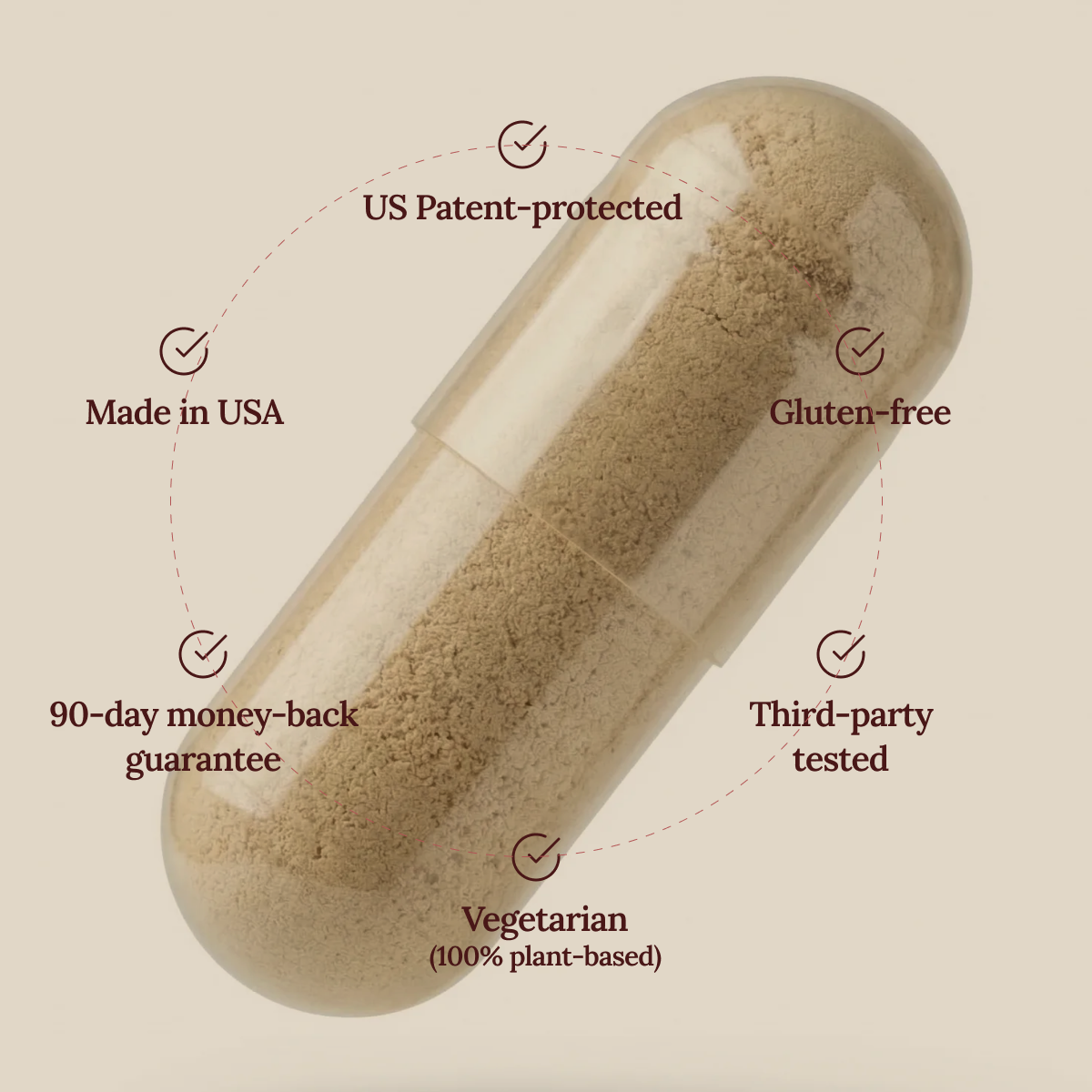
The Root Co. Hair Vitamin gives 15 mg of zinc as zinc picolinate per 2-capsule daily serving, which is 136% of the Daily Value and well under the 40 mg ceiling. The capsules are vegan and biotin-free, the product is third-party tested and made in the USA, and it sells for $49.90 a month on subscription or $59.90 one-time with a 90-day money-back guarantee. If you want to see how it lines up against other formulas first, our roundup of the best hair growth supplements puts the labels side by side.
Can you take too much zinc?
Yes, and chronic overuse can work against hair rather than for it. Excess zinc interferes with copper balance over time, and copper matters for normal red blood cell function and tissue health, so someone can start with a hair concern, over-supplement hard, and end up with a different imbalance and more shedding than they began with. That is the reason a disclosed, moderate dose is worth more than a heroic one.
Signs of poor tolerance or excess, per the WebMD zinc guide, include nausea, stomach pain, vomiting, a metallic taste and diarrhea, with copper depletion the risk that builds quietly when high doses are repeated for months.
What results should you expect from zinc for hair loss?
If zinc helps, the first change is less shedding, not sudden thickness. Improvement in hair is gradual and shows up over months.
| Timeframe | What may change | What not to expect |
|---|---|---|
| 2 to 6 weeks | Deficiency correction, and better tolerance as overall intake improves | Visible regrowth or a noticeably thicker ponytail |
| 1 to 3 months | Less daily shedding, less breakage, early signs of steadier regrowth | A full before-and-after transformation |
| 3 to 6 months | Short new hairs and modest density gains, where a shortfall was genuinely part of the cause | Recovery in areas where follicles are no longer active |
The phrase "zinc hair growth before and after" sets a bar that real results rarely clear. What actually happens is quieter. You notice fewer hairs on your clothes, in the brush and in the shower before you notice anything about thickness.
Zinc also has a hard limit. It will not regrow hair where follicles have been inactive for years, and it does not replace medical treatment for advanced pattern hair loss, scarring alopecia or other complex conditions.
Signs zinc may be helping
Zinc may be working if shedding drops before anything visible changes. That sequence is normal, and it is easier to read if you already know how much hair shedding is normal.
- fewer hairs in the shower or the brush
- less daily breakage
- stronger nails, where a deficiency was present
- short new hairs appearing along the part or hairline
- less of a sense that hair is constantly coming out
When zinc is unlikely to be enough on its own
Zinc alone is unlikely to be enough for chronic pattern hair loss, autoimmune hair loss, hormonal disorders or long-standing follicle miniaturization. It may still support the rest of the plan, and it will not be the plan.
- androgenetic alopecia
- alopecia areata
- PCOS-related hair loss
- thinning that has progressed for years
- scarring forms of hair loss
Should you use zinc alone or as part of a broader hair-loss plan?
Single-nutrient zinc is the right call in one specific case: your zinc is confirmed low, nothing else is, and correcting that one gap is the whole job. Outside that case, a broader plan usually fits better, because thinning tends to run on hormones, stress, inflammation, nutrient gaps and follicle biology at the same time.
A fuller plan may include:
- more dietary protein and minerals
- correcting deficiencies that have actually been confirmed
- a multinutrient supplement rather than isolated zinc
- topical minoxidil
- dermatologist-guided treatment where pattern loss or autoimmune loss is suspected
This is where people get stuck. They treat hair loss as though it must have one clean cause. Often it does not.
When a multinutrient formula makes more sense than zinc alone
A multinutrient formula fits when more than one driver is in play, which is the common case. Someone with thinning hair may be carrying mild zinc insufficiency, chronic stress, hormonal pattern loss, inflammation around the follicle and poor recovery after illness or dieting, all at once.
The Root Co. Hair Vitamin is built for that situation. Two capsules a day give 15 mg of zinc as zinc picolinate, 85 mg of magnesium, 5 mg of vitamin B5 as pantothenic acid, and a 345 mg Phyllotex botanical blend of acai fruit, green coffee bean, pau d'arco bark and olive leaf extracts. The Phyllotex blend is covered by US Patent 11,160,750, and the brand has run a 9-month single-group study of 38 adults with no placebo group on it. Our formula explainer walks through each ingredient and what the label does and does not disclose.
Give any supplement 3 to 6 months before you judge it, and choose a different route if your hair loss is patchy, rapidly progressive, or advanced enough to need prescription or in-office care.
Zinc, plus the rest of the formula
Two capsules a day give zinc, magnesium, vitamin B5 and a 345 mg Phyllotex botanical blend, at $49.90 a month on subscription.
When to see a doctor about hair loss instead of self-treating
See a doctor rather than self-treating when the pattern points at an underlying medical issue, or when supplementing on your own could delay care that would actually help. Cleveland Clinic's guidance on hair loss in women is a reasonable place to start reading.
- sudden or heavy shedding
- patchy hair loss
- scalp pain, scaling or burning
- signs of hormonal imbalance
- recent medication changes
- pregnancy or nursing
- loss that persists without improving
- any concern about thyroid disease, anemia or autoimmune illness
If you are pregnant, nursing, taking prescription medication, or experiencing sudden or significant hair loss, consult your healthcare provider before adding a new supplement to your routine. Sudden hair loss can sometimes be a sign of an underlying condition worth investigating.
Zinc for hair loss: bottom-line verdict
- Zinc helps hair loss when your zinc status is low, and adding more on top of a normal level has not been shown to regrow hair.
- NIH puts the adult RDA at 11 mg for men and 8 mg for women, with a 40 mg daily ceiling from all sources, so a dose in the low teens is the sensible range for ongoing use.
- Chronic excess zinc depletes copper and can itself worsen shedding, which makes a disclosed, moderate dose worth more than a large one.
- Expect less shedding first, over 1 to 3 months, and judge density over 3 to 6 months rather than weeks.
- Zinc alone fits a confirmed single deficiency. For thinning with several drivers, a multinutrient formula fits better, and sudden, patchy or painful hair loss needs a dermatologist before any supplement.
FAQ
Does zinc actually help with hair loss?
Zinc helps with hair loss when low zinc status is part of the problem. It is most relevant in deficiency-related shedding, in some cases of diffuse thinning, and where poor intake or poor absorption is contributing. It is less likely to be enough on its own for advanced pattern hair loss or autoimmune hair loss.
How much zinc should I take for hair growth?
Start from normal intake rather than a megadose. NIH sets the adult RDA at 8 mg a day for women and 11 mg a day for men, rising to 11 mg in pregnancy and 12 mg in lactation, with total intake from food and supplements staying below the 40 mg Tolerable Upper Intake Level unless a clinician advises otherwise. Consistency over several months does more for hair than a higher number on the label.
Can too much zinc cause hair loss?
Yes. Chronic overuse can cause nausea, gastrointestinal upset and copper depletion, and depleted copper can itself worsen shedding, so a high-dose habit can create the problem it was meant to fix. If you are considering zinc above the usual range, do it with clinical guidance rather than guesswork.
Does zinc block DHT?
Some laboratory work describes zinc as a 5-alpha reductase inhibitor, which is the enzyme that converts testosterone to DHT. That has not been shown to lower scalp DHT enough to treat pattern hair loss in people, and The Root Co. Hair Vitamin makes no DHT claim. If DHT is the main driver of your thinning, the treatments with the strongest DHT evidence are compared in our guide to finasteride vs minoxidil.
Sources
Medical and scientific sources
- Zinc: fact sheet for health professionals. NIH Office of Dietary Supplements.
- Park H, et al. The therapeutic effect and the changed serum zinc level after zinc supplementation in alopecia areata patients who had a low serum zinc level. Ann Dermatol, 2009. PubMed 20523772.
- Zinc deficiency. Cleveland Clinic.
- Telogen effluvium. Cleveland Clinic.
- Hair loss in women. Cleveland Clinic.
- Zinc supplement guide. WebMD.
Product information
- The Root Co.: Supplement Facts label and product page, September 2026.
If you are pregnant, nursing, taking prescription medication, or experiencing sudden or significant hair loss, consult your healthcare provider before adding a new supplement to your routine. Sudden hair loss can sometimes be a sign of an underlying condition worth investigating. The Root Co. Hair Vitamin contains pau d'arco. If you are pregnant, breastfeeding or take blood-thinning medication, discuss its use with your healthcare provider first. This article is educational and not a substitute for personalized medical advice. These statements have not been evaluated by the Food and Drug Administration. This product is not intended to diagnose, treat, cure, or prevent any disease.
Read more

The Root Co. formula explaine: ingredients, how the four-cause approach works, expected timelines, evidence, and limitations.
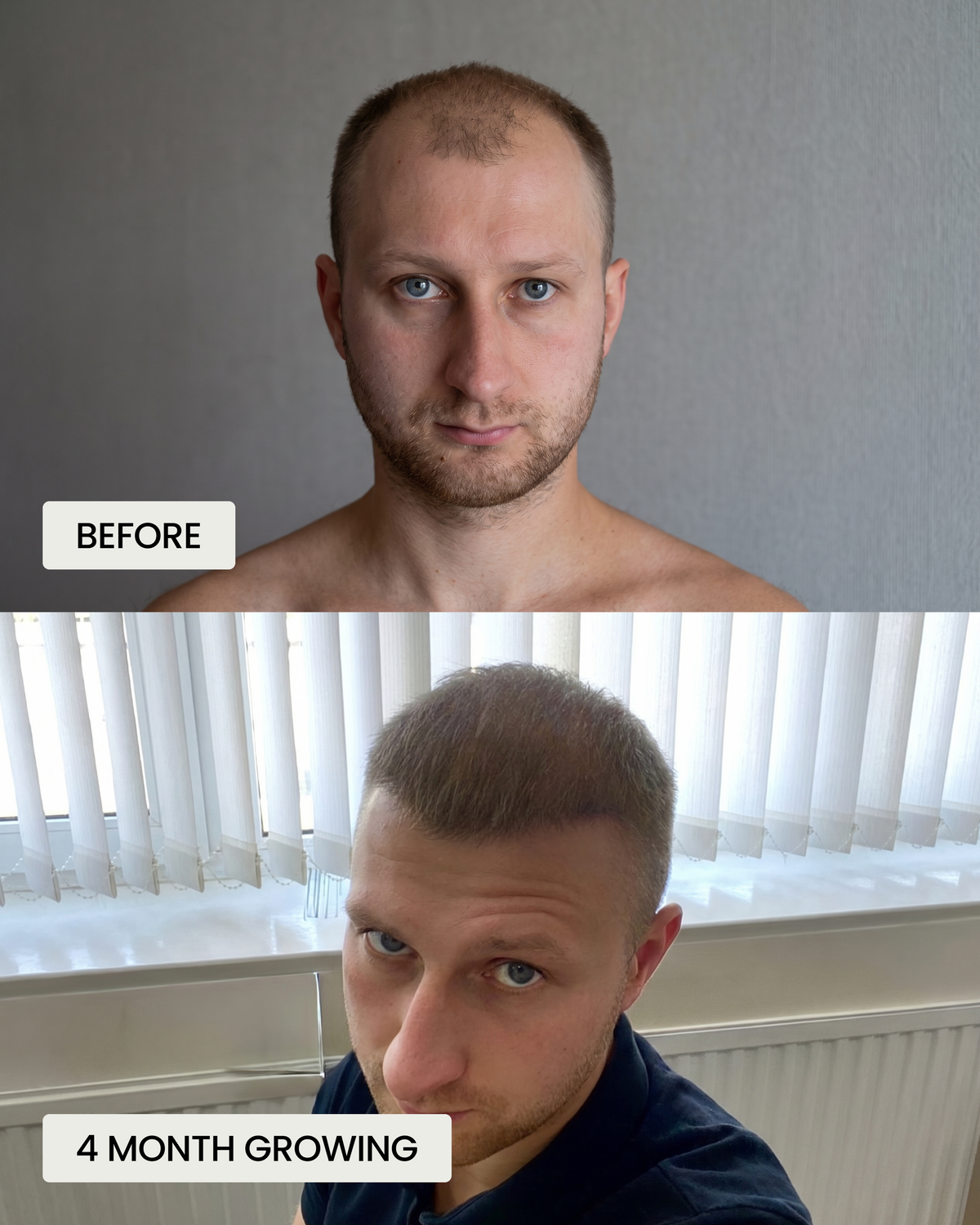
Learn when zinc can help hair loss in men, how much to take, signs of deficiency, and why male pattern thinning usually needs a different approach.