
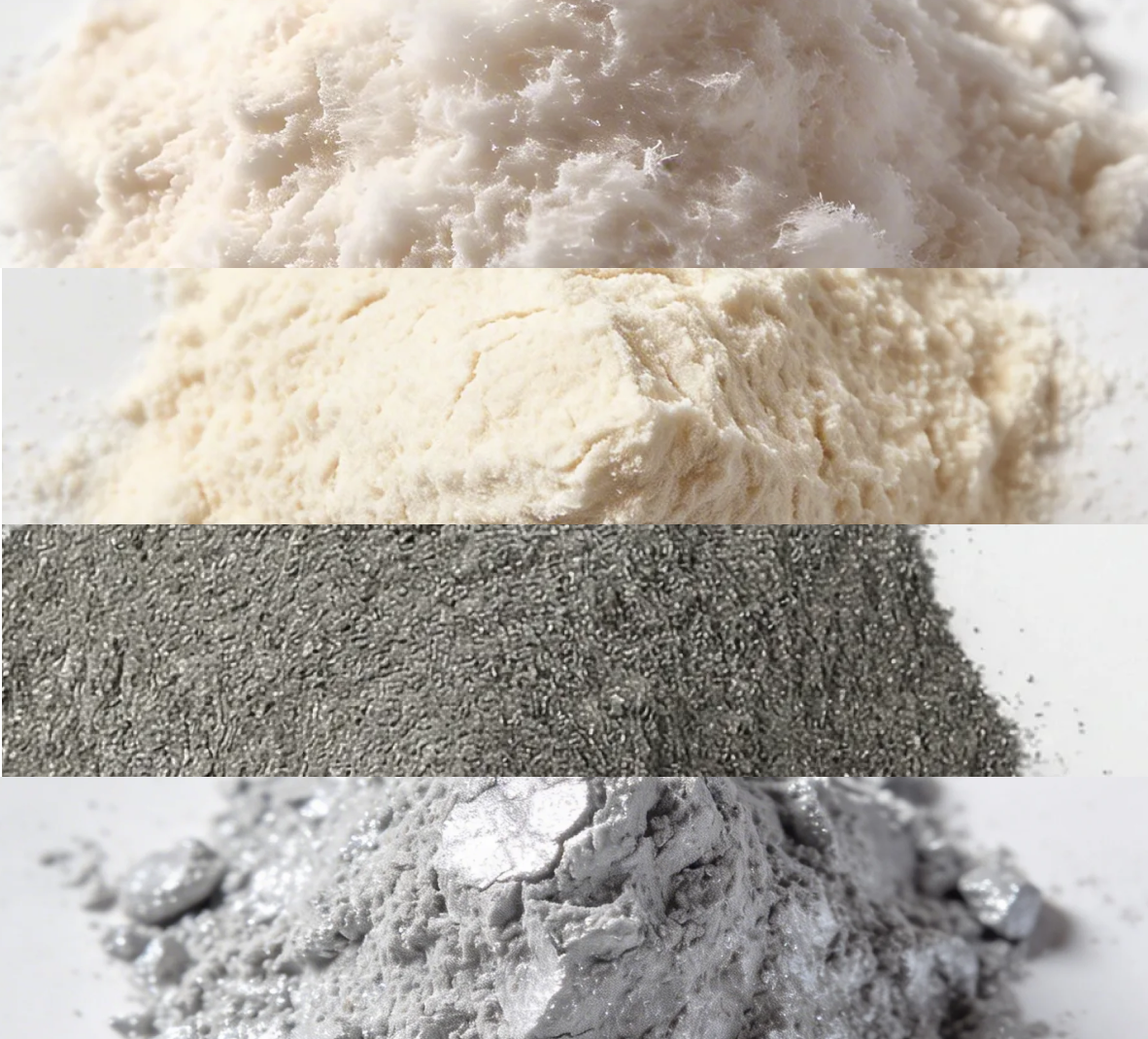
Does Creatine Cause Hair Loss?

What changed · October 6, 2026
- Added a section answering whether creatine raises DHT enough to cause hair loss.
- Added the figures from the 2009 rugby-player study and the 2025 trial that measured hair directly.
- Redesigned the tables for easier reading on a phone.
Creatine has not been clearly proven to cause hair loss. The concern comes from a theory that creatine might raise DHT (dihydrotestosterone) in some people, and DHT is one of the hormones involved in pattern hair loss.
That distinction matters. A rumor is not the same as a mechanism theory, and a mechanism theory is not the same as proven hair shedding. Much of the online conversation collapses those three into one claim, which is why searches like "does creatine cause hair loss reddit" keep coming up.
Part of the reason this question persists is simple: gym culture is anecdotal by nature. Someone starts taking creatine, notices more hair in the shower a month later, posts about it, and the story spreads faster than the science. But hair loss rarely has one obvious cause. Genetics, stress, dieting, illness, hormones, and age often overlap with supplement use.
Why the rumor started in the first place
The rumor largely traces back to a small study in college-aged rugby players that found an increase in DHT after creatine loading and maintenance. That study raised a reasonable question, but it did not prove that creatine caused visible hair loss.
Its limits are important. The study was small, short, and focused on a hormone marker rather than on actual outcomes like shedding, hair density, or long-term thinning. It is useful as a starting point for discussion, not as a final answer.
How creatine could affect hair
Creatine is a naturally occurring compound stored mostly in muscle. People take it, usually as creatine monohydrate, to support strength, power output, and training performance. It is not a hair-loss ingredient by design, and it is not taken for hormonal effects.
The hair concern is indirect. The theory is that creatine may increase DHT (dihydrotestosterone), a hormone derived from testosterone. DHT can contribute to follicle miniaturization, which means hair follicles gradually shrink over time and produce thinner, shorter hairs. That process is central to androgenetic alopecia, also called pattern hair loss.
So when people search "does creatine increase dht," they are really asking a second question: if creatine raises DHT, could that speed up pattern thinning in someone already prone to it? That is a fair question. It is still not proof that creatine itself makes hair fall out.
The DHT-hair loss connection explained simply
Higher DHT matters most in people who are genetically susceptible to pattern hair loss. If someone has no meaningful predisposition to androgenetic alopecia, a small hormone shift may not translate into any visible hair change at all.
That helps explain why experiences vary so much. Two people can take the same 5 g daily dose of creatine and report completely different outcomes:
- One notices nothing unusual
- One starts paying closer attention to a hairline that was already slowly receding
- One develops shedding that may actually be unrelated
DHT is not a universal hair-loss switch. It is one part of a bigger picture, and its relevance depends heavily on genetics and baseline follicle sensitivity.
Does creatine increase DHT enough to cause hair loss?
Creatine may raise DHT a little, but no study has shown that this causes hair loss. The DHT concern comes from one small study, and the first trial to measure hair directly found no difference between creatine and placebo.
The small study followed 20 college rugby players in South Africa. After a week of loading at 25 g a day, their DHT was 56% higher than at the start, and it stayed 40% above baseline after two more weeks at the usual 5 g a day (van der Merwe et al., 2009). Testosterone did not change, and the study measured blood hormones only, not hair.
A 2025 randomized trial looked at the hair itself. Resistance-trained men took 5 g of creatine or a placebo every day for 12 weeks, and the researchers found no difference in DHT, hair density, follicle count or hair thickness between the two groups.
So 5 g a day is unlikely to start hair loss on its own. If pattern hair loss runs in your family, a small rise in DHT is worth keeping an eye on, but the current evidence does not show creatine speeding that process up.

The Root Co. Hair Vitamin
Daily support for fuller-looking hair
Biotin-free and vegan. Just 2 capsules a day.
$49.90/month with subscription 90-day money-back guarantee
What the research shows
Current research does not show that creatine clearly causes clinical hair loss. One early study suggested a rise in DHT, but later evidence has not consistently confirmed that creatine leads to shedding, visible thinning, or reduced hair density.
That gap matters. A change in a lab marker is not the same thing as a change in your scalp. Hair loss is a clinical outcome. To prove creatine causes it, researchers would need to track actual shedding, hair counts, hair shaft thickness, or long-term density changes over time.
For the practical question "will 5g of creatine cause hair loss," the honest answer is that common daily doses such as 5 g per day have not been proven to trigger hair loss in healthy users. That does not mean risk is impossible for every individual. It means the evidence is not strong enough to say creatine is a known cause.
What the early DHT study can and cannot tell us
The early rugby-player study can tell us that researchers observed a hormone change worth noticing. It cannot tell us that creatine causes visible hair loss in the real world.
Here is the difference:
| What the study looked at | What it can tell us | What it cannot tell us |
|---|---|---|
| DHT levels | Whether creatine may influence one hormone marker | Whether users will actually shed more hair |
| Short study period | What happened over days to weeks | What happens over months or years of use |
| Small participant group | A possible signal worth studying further | A reliable answer for the general population |
| No hair measurements | Very little about scalp-level outcomes | Changes in hairline, crown density, or shedding volume |
A study like that can generate a hypothesis. It cannot settle the question on its own.
Why anecdotes are not the same as evidence
Online anecdotes are useful for spotting concerns, but they cannot prove causation. Hair loss often starts during periods when several other triggers are active at once.
Common overlaps include:
- intense training stress
- calorie restriction or rapid fat loss
- illness or fever
- low iron or other nutrient deficiencies
- changing hormones
- family history of pattern hair loss
That is why "I started creatine and my hair thinned" is a real experience, but not a scientific conclusion. The timing may be meaningful, or it may be coincidence.
What else could be causing it
If your hair is thinning while you are taking creatine, there is a good chance something else deserves a closer look. The most common causes are still androgenetic alopecia, telogen effluvium, recent illness, stress, low iron, hormonal shifts, medication changes, or rapid weight loss.
It also helps to separate adjacent concerns. Searches like "does creatine cause weight gain" usually refer to water retention or increased intracellular water in muscle. That can change the number on the scale without having anything to do with hair.
Timing is one of the most useful clues. Telogen effluvium, a form of diffuse shedding, often begins two to three months after a trigger such as illness, surgery, childbirth, crash dieting, or major stress. So if you started creatine last week but had COVID, a breakup, or a very restrictive diet two months ago, creatine may not be the main driver.
Shedding versus pattern thinning
Shedding and pattern thinning are not the same thing. Shedding means more hairs are falling out than usual. Pattern thinning means follicles are gradually miniaturizing and producing finer hair over repeated growth cycles.
Here is the simplest way to tell them apart:
- Shedding often feels sudden and diffuse. You notice more hair in the shower, brush, or on your clothes.
- Pattern thinning is slower. You notice a widening part, more scalp at the crown, thinner temples, or a smaller ponytail over time.
Signs it may be something other than creatine
If you are trying to work out the cause, these clues point beyond creatine alone:
- a family history of male or female pattern hair loss
- a widening part or crown thinning
- postpartum changes
- recent illness or high fever
- starting or stopping a medication
- heavy stress in the last few months
- rapid weight loss or crash dieting
- fatigue, brittle nails, or other signs of low iron or low nutrient intake
Should you stop creatine?
If you are worried, it can be reasonable to pause creatine and monitor what happens. That is especially true if you already have early pattern thinning, strong family history, or high anxiety about even a possible risk.
The key is to stay realistic. There is no definitive test that proves creatine caused the problem, and stopping it may not reverse hair changes if the real driver is genetics, hormones, stress, or a recent health event. Hair also changes slowly, so you may need 8 to 12 weeks to notice whether shedding settles after removing a suspected trigger.
A practical next-step plan looks like this:
- Review your dose and when you started. Many people use 5 g daily.
- Track what you are noticing. Is it shedding, a widening part, temple recession, or crown thinning?
- Look back two to three months for illness, dieting, stress, childbirth, or medication changes.
- Pause creatine if the uncertainty is bothering you and watch for trend changes.
- Seek medical advice if the loss is sudden, patchy, severe, or accompanied by other symptoms.
Who may want to be more cautious
Some readers have more reason to be cautious even though the evidence is not definitive. That includes people with:
- strong family history of androgenetic alopecia
- existing thinning at the hairline, crown, or part
- hormone-sensitive hair loss concerns
- previous episodes of stress-related shedding
- high concern about any possible DHT-related risk
If that sounds like you, a pause-and-monitor approach is reasonable. It is not an overreaction. It is just a way to reduce one variable while you assess the bigger picture.
When to speak with a dermatologist or healthcare provider
Some hair loss patterns deserve evaluation regardless of whether you take creatine. See a dermatologist or healthcare provider if you have:
- rapid or dramatic shedding
- bald patches
- redness, itching, burning, or scalp pain
- hair loss with fatigue or unexplained weight change
- menstrual changes or other hormone symptoms
- hair loss that continues to worsen over several months
A clinician can help rule out causes such as iron deficiency, thyroid issues, androgenetic alopecia, autoimmune hair loss, or chronic telogen effluvium.
If you are taking prescription medication, are pregnant or nursing, or are experiencing sudden or significant hair loss, consult your healthcare provider before adding or removing supplements from your routine. Sudden hair loss can sometimes point to an underlying issue worth checking.
These statements have not been evaluated by the Food and Drug Administration. This product is not intended to diagnose, treat, cure, or prevent any disease.
Daily support for fuller-looking hair
Just 2 capsules a day. Biotin-free and vegan.
In our 9-month study of 38 adults, hair count in thinning areas rose to about 2.6x the starting level. Single group, no placebo. See the study
90-day money-back guarantee · Cancel anytime
FAQ
Will 5g of creatine cause hair loss if baldness runs in my family?
A daily dose of 5 g has not been proven to cause hair loss, even in people with family history. But if you are genetically prone to pattern thinning, you may decide the uncertainty is not worth it. In that case, pausing creatine and tracking your hair over the next 8 to 12 weeks is a practical way to reduce one variable.
Does creatine cause hair loss in women too?
There is no strong evidence showing that creatine causes hair loss in women specifically. The same general logic applies: if a woman is genetically prone to pattern thinning or already dealing with hormone-related hair loss, any theoretical DHT concern may feel more relevant. But in many women, thinning is more likely to come from telogen effluvium, postpartum change, low iron, stress, or perimenopausal hormone shifts than from creatine itself.
Read more
GLP1 hair loss is usually temporary shedding tied to rapid weight loss, stress, and low intake. Learn causes, timeline, and how to support regrowth.

Blonde, brunette or copper? Find hair color ideas that suit your skin tone, with low-maintenance options and gray-blending tips for your next salon visit.