
GLP1 Hair Loss

What changed · October 6, 2026
- Added hair loss rates from the SURMOUNT-1 tirzepatide trial and a 2026 systematic review of 24 studies on GLP-1 drugs and hair loss.
- Updated The Root Co. formula details to match the product label.
- Redesigned the tables for easier reading on a phone.
GLP1 hair loss usually refers to increased shedding that starts after someone begins a GLP-1 medication such as Ozempic, Wegovy, Mounjaro, or Zepbound. In many cases, the medication may be part of the context, but the more likely mechanism is telogen effluvium, a temporary shedding pattern often triggered by rapid weight loss, lower intake, illness, or stress.
That distinction matters. Hair can shed during a GLP-1 journey without the drug directly damaging the follicle. What often happens is that the body experiences a meaningful shift in calories, protein, micronutrients, stress load, or body weight over a short period. A few months later, the hair cycle reflects that change.
Telogen effluvium means more hairs than usual get pushed into the resting phase at the same time. Those hairs do not fall out immediately. They usually shed two to three months after the trigger, which is why the timeline can feel confusing.
Which GLP-1 drugs are most often linked to hair shedding?
The drugs most often searched in this conversation are Ozempic, Wegovy, Mounjaro, and Zepbound. Reports of shedding tend to cluster around significant weight change, reduced intake, and rapid metabolic change rather than one brand alone.
- Ozempic and Wegovy contain semaglutide
- Mounjaro and Zepbound contain tirzepatide
- Readers often notice shedding after several weeks or months, not immediately after the first dose
- The pattern is usually more consistent with post-weight-loss shedding than direct toxic damage to hair follicles
Trial data back this up. In SURMOUNT-1, the main weight-loss trial of tirzepatide, hair loss was reported by 4.9% to 5.7% of people on the drug depending on dose, compared with 0.9% on placebo. A 2026 systematic review of 24 studies found the highest hair loss rates with semaglutide and tirzepatide, more reports in women, and rapid weight loss as a likely contributor, which fits the telogen effluvium pattern described above.
If you want a plain-language overview of this temporary shedding pattern, the American Academy of Dermatology's hair shedding overview is a useful reference point.
GLP1 hair loss vs normal daily shedding
Normal shedding is part of the hair cycle. Most people lose around 50 to 100 hairs per day without it meaning anything is wrong. GLP1 hair loss usually feels different because the increase becomes visible in daily life.
Common signs of a true shedding increase include:
- More hair in the shower drain
- More strands on your pillow or clothes
- A fuller brush than usual
- A thinner ponytail
- A wider part or more scalp showing under bright light
A few strands on the sink are normal. Persistent, clearly increased shedding over several weeks is what usually gets people's attention.
Why does GLP1 hair loss happen during weight loss?
GLP1 hair loss usually happens because the body is adapting to a major shift, not because hair suddenly became the target. The main drivers are rapid weight loss, lower protein intake, reduced iron or micronutrient intake, physiological stress, and underlying hair thinning that becomes more obvious as overall density drops.
- Anagen is the growth phase
- Catagen is the transition phase
- Telogen is the resting phase
- Exogen is the shedding phase
When the body senses stress, whether from illness, surgery, rapid weight loss, or under-eating, more follicles can move from growth into resting. Two to three months later, those resting hairs begin to shed. That delay is why people often blame the wrong week, the wrong meal plan, or the wrong dose increase.
A content gap many articles miss is this: appetite suppression can lower nutrition quality, not just calories. Someone may still be eating enough to get through the day while consistently missing protein, iron-rich foods, or overall meal balance.
How rapid weight loss triggers telogen effluvium
Telogen effluvium is the most likely explanation for GLP1 hair loss in people who started shedding after significant weight change. The trigger is often the speed of the change, not weight loss itself.
If body weight drops quickly, the body may treat that shift as a stress signal. Hair is not an essential tissue, so the body can temporarily divert energy and nutrients elsewhere. The follicles stay alive, but more hairs enter the resting phase than usual.
That is why the timing often looks like this:
- weight loss accelerates
- appetite drops
- daily intake changes
- 2 to 3 months later, shedding starts
Nutrient gaps that can make shedding worse
Lower intake does not always mean obvious malnutrition. Sometimes it means subtle but important weak points that matter to hair.
| Nutrient factor | Why it matters for hair | Where it becomes a problem on GLP-1s |
|---|---|---|
| Protein | Hair is built from protein, and low intake can weaken growth support | Appetite suppression makes it easy to eat too little overall |
| Iron | Low iron stores can contribute to shedding and poor regrowth | Smaller meals and less red meat or iron-rich food can reduce intake |
| Zinc | Zinc supports normal follicle function and tissue repair | Restrictive eating patterns can lower intake over time |
| Vitamin D | Low vitamin D is commonly checked when diffuse shedding persists | Preexisting low levels may become more relevant during stress or dieting |
| Vitamin B12 | B12 supports overall cell function and can matter if intake is poor | Lower food volume or dietary restrictions can expose a gap |
When GLP1 hair loss may not be from the medication at all
Sometimes GLP1 hair loss is happening alongside something else. That is one reason self-diagnosis gets messy.
Other contributors can include:
- Thyroid disorders
- PCOS (polycystic ovary syndrome)
- Postpartum hormone shifts
- Androgenetic alopecia or AGA, meaning pattern hair loss
- Recent illness, fever, or surgery
- Preexisting iron deficiency
If hair was already thinning before the medication started, the GLP-1 may be revealing an existing problem rather than creating a brand-new one.

The Root Co. Hair Vitamin
Daily support for fuller-looking hair
Biotin-free and vegan. Just 2 capsules a day.
$49.90/month with subscription 90-day money-back guarantee
How to stop hair loss from Ozempic and other GLP-1 medications
To stop hair loss from Ozempic or other GLP-1 medications, the goal is usually to reduce ongoing triggers and support regrowth. That means protecting protein intake, avoiding overly aggressive under-eating, checking for deficiencies, reducing styling stress, and involving a clinician if shedding is significant.
This is not usually an instant-fix situation. Hair responds slowly, so the real target is often stopping the excess shedding first, then giving regrowth time to catch up.
What to eat to support hair while taking a GLP-1
Food quality matters more than many people realize during appetite suppression. The best strategy is not perfection. It is consistency.
Focus on:
- Protein at each meal if possible
- Iron-rich foods such as meat, lentils, beans, or fortified options
- Balanced meals instead of grazing on low-protein convenience foods
- Enough overall intake to avoid chronic under-eating
- Hydration and regular eating patterns
If your appetite is low, simpler meals may help more than elaborate plans. Think protein yogurt, eggs, fish, chicken, tofu, beans, smoothies with meaningful protein, or other easy staples you can tolerate regularly.
When lab work can help
Lab work can help when shedding is heavy, lasts more than a couple of months, or comes with fatigue, dizziness, brittle nails, or other symptoms. Common labs to discuss with a healthcare provider include ferritin, vitamin D, B12, and thyroid testing such as TSH.
The Cleveland Clinic's telogen effluvium explanation is also helpful for understanding why doctors often look for a trigger rather than treating every case the same way.
Hair care habits that help while regrowth catches up
Hair care will not solve a nutrition-driven shedding problem, but it can reduce breakage and make the recovery window easier.
Helpful habits include:
- Gentler detangling
- Less heat styling
- Avoiding tight ponytails, braids, or extensions
- Sleeping enough when possible
- Managing stress where you realistically can
What usually does not deserve the hype is any shampoo marketed as a miracle fix. If the main issue is telogen effluvium, the root cause is usually internal.
Do GLP-1 hair loss treatments, supplements, or minoxidil actually work?
Yes, some GLP-1 hair loss treatments can help, but the right option depends on why you are shedding. Nutritional correction, a hair supplement, minoxidil, prescription therapy, and in-office treatments each fit different situations.
The most honest framework is this:
- If the trigger is mainly rapid weight loss and lower intake, fixing nutrition and stabilizing the trigger matters most.
- If shedding is uncovering androgenetic alopecia, nutrition alone may not be enough.
- If the picture is mixed, support may need to cover more than one mechanism at once.
When a hair supplement may be a reasonable option
A supplement may be reasonable when calorie restriction, nutrient gaps, stress, inflammation, or early hormonal thinning are all part of the picture. This is where a broader formula can make more sense than a biotin-only product.
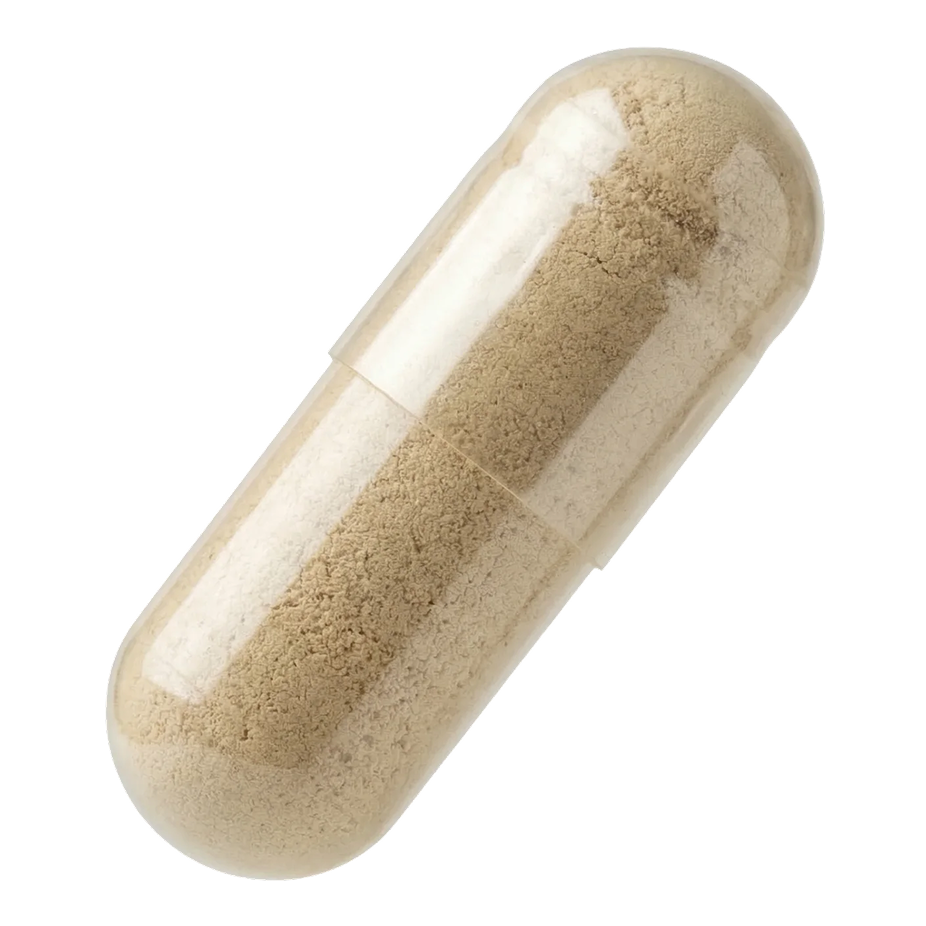
The Root Co. Hair Growth Vitamins fit that more layered scenario as daily support. It is two capsules a day in a 30-day supply and includes 15 mg of zinc, magnesium, vitamin B5, and Phyllotex, a blend of açai berry, green coffee bean, olive leaf, and pau d'arco extracts. The formula is patented and protected (US Patent #11,160,750).
That does not make it the answer for every reader. It means it may be worth considering if you want steady daily support during a GLP-1 journey, especially if you already know biotin alone has not done much for you. You can review The Root Co. Hair Growth Vitamins if that multi-cause approach is the kind of support you are looking for.
When minoxidil or prescription treatment may make more sense
Minoxidil may make more sense when GLP-1 shedding is revealing underlying AGA rather than a temporary shedding event alone. Prescription treatment may also enter the conversation if thinning is progressive, long-standing, or clearly patterned at the temples, crown, or part line.
A supplement can support active follicles. It cannot replace a medical treatment plan when the main issue is established pattern hair loss or another diagnosed condition.
What not to expect from any GLP1 hair loss treatment
No GLP1 hair loss treatment restores density overnight. No supplement, topical, or diet tweak can force hair to grow outside the biology of the hair cycle.
Also important:
- Longstanding bald areas may not respond the same way as recently thinned areas
- Patchy loss needs evaluation
- Scarring hair loss needs specialist care
- A supplement cannot diagnose the reason you are shedding
How long does GLP1 hair loss last and when should you see a doctor?
GLP1 hair loss often improves once the trigger stabilizes, but visible regrowth still takes months. Shedding may begin 2 to 3 months after rapid weight loss or under-eating starts, peak over the following weeks, and then gradually settle as nutrition and body stress improve.
A realistic regrowth timeline for GLP1 hair loss
A realistic timeline helps because hair recovery often feels slower than body-weight change.
| Stage | What may be happening | What you may notice |
|---|---|---|
| Weeks 0 to 8 | Trigger develops, often through rapid weight loss, low intake, or stress | Usually little visible hair change yet |
| Months 2 to 4 | More hairs enter and move through the resting phase | Noticeable increase in shedding |
| Months 4 to 6 | Trigger may be stabilizing if nutrition and weight-loss pace improve | Shedding may begin to ease |
| Months 6+ | Active follicles gradually re-enter growth | Baby hairs, better part density, less visible scalp over time |
When to consider a more root-cause hair support approach
Some people need support beyond simple biotin because GLP1 hair loss is not always one-dimensional. Shedding can involve stress, nutrient gaps, inflammation, and underlying pattern thinning at the same time.
That is where a broader approach may fit better than a single-ingredient supplement. If your shedding has not improved with basic nutrition cleanup, or if you also have widening of the part, miniaturization, or a history of hormonal thinning, it may be worth looking at a more complete framework rather than assuming one vitamin will fix it.
What people get wrong about GLP1 hair loss reddit advice
GLP1 hair loss reddit threads can surface useful questions, especially around timing, meals, and how unsettling the shedding can feel. What they cannot do is tell you whether you have telogen effluvium, iron deficiency, thyroid-related loss, or underlying androgenetic alopecia.
Forum anecdotes are useful for seeing what people ask. They are not a substitute for lab work, a scalp exam, or evidence-based guidance when the picture is unclear.
See a clinician sooner if you have:
- Patchy hair loss
- Scalp pain, burning, or scale
- Sudden severe shedding
- Symptoms of deficiency such as fatigue or dizziness
- No improvement after several months
- Thinning that was clearly present before the GLP-1
If you are pregnant, nursing, taking prescription medication, or experiencing sudden or significant hair loss, consult your healthcare provider before adding a new supplement to your routine. Sudden hair loss can sometimes be a sign of an underlying condition worth investigating.
These statements have not been evaluated by the Food and Drug Administration. This product is not intended to diagnose, treat, cure, or prevent any disease.
Daily support for fuller-looking hair
Just 2 capsules a day. Biotin-free and vegan.
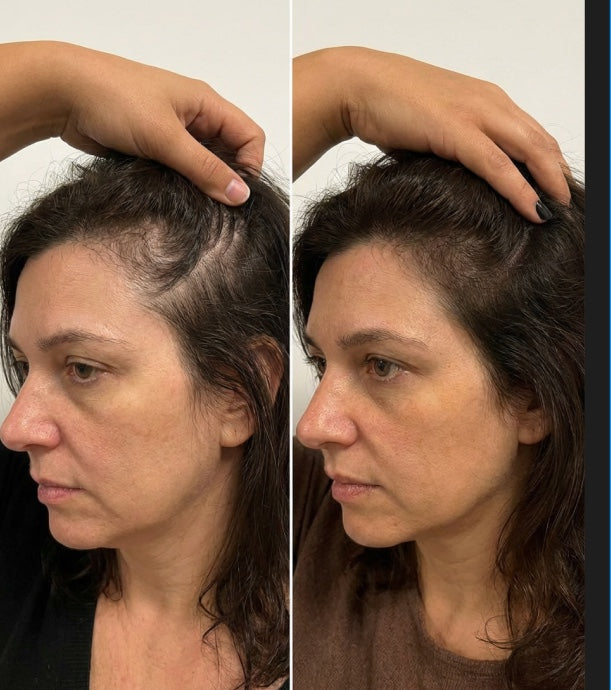
In our 9-month study of 38 adults, hair count in thinning areas rose to about 2.6x the starting level. Single group, no placebo. See the study
90-day money-back guarantee · Cancel anytime
FAQ
Is GLP1 hair loss temporary?
Usually, yes. Most GLP1 hair loss looks like temporary telogen effluvium related to rapid weight loss, lower intake, or physical stress. The follicles are typically still active, but regrowth takes time.
How do I stop hair loss from Ozempic or Wegovy?
Focus on the likely triggers: protect protein intake, avoid chronic under-eating, discuss lab work if shedding is significant, and reduce unnecessary styling stress. If the pattern looks long-standing or clearly hormonal, ask a clinician whether another treatment plan is needed.
What is the best GLP-1 hair loss treatment if shedding started after rapid weight loss?
If shedding started after rapid weight loss, the best first move is usually correcting the trigger rather than jumping straight to a cosmetic product. That often means better protein intake, adequate calories, deficiency screening, and patience while the hair cycle catches up.
Can a GLP1 hair loss supplement help, or do I need minoxidil?
A supplement may help if nutrient gaps, stress, inflammation, or early hormonal thinning are part of the picture. Minoxidil may make more sense if shedding is uncovering androgenetic alopecia or if density is not returning after the trigger stabilizes.
How long does it take for hair to grow back after GLP1 hair loss?
Shedding often starts two to three months after the trigger and may take additional months to settle. Early regrowth may show up after shedding improves, but visible density recovery often takes several months beyond that.
When should I see a doctor about hair loss while taking a GLP-1?
See a doctor if hair loss is patchy, painful, suddenly severe, tied to other symptoms, or not improving after several months. It is also worth getting checked if you suspect thyroid issues, iron deficiency, postpartum shedding, PCOS, or underlying pattern hair loss.
Read more
Learn what slows hair growth in women, which treatments may help, and what results to expect from supplements, topicals, nutrition and medical options.

Does creatine cause hair loss? Review the DHT theory, what studies show, who may be at higher risk, and when thinning is likely from something else.